





















































%20and%20Batch%20Production%20Records%20(BPR).png)
















BIO 2026: Industry PDUFA negotiators describe their agreement with FDA
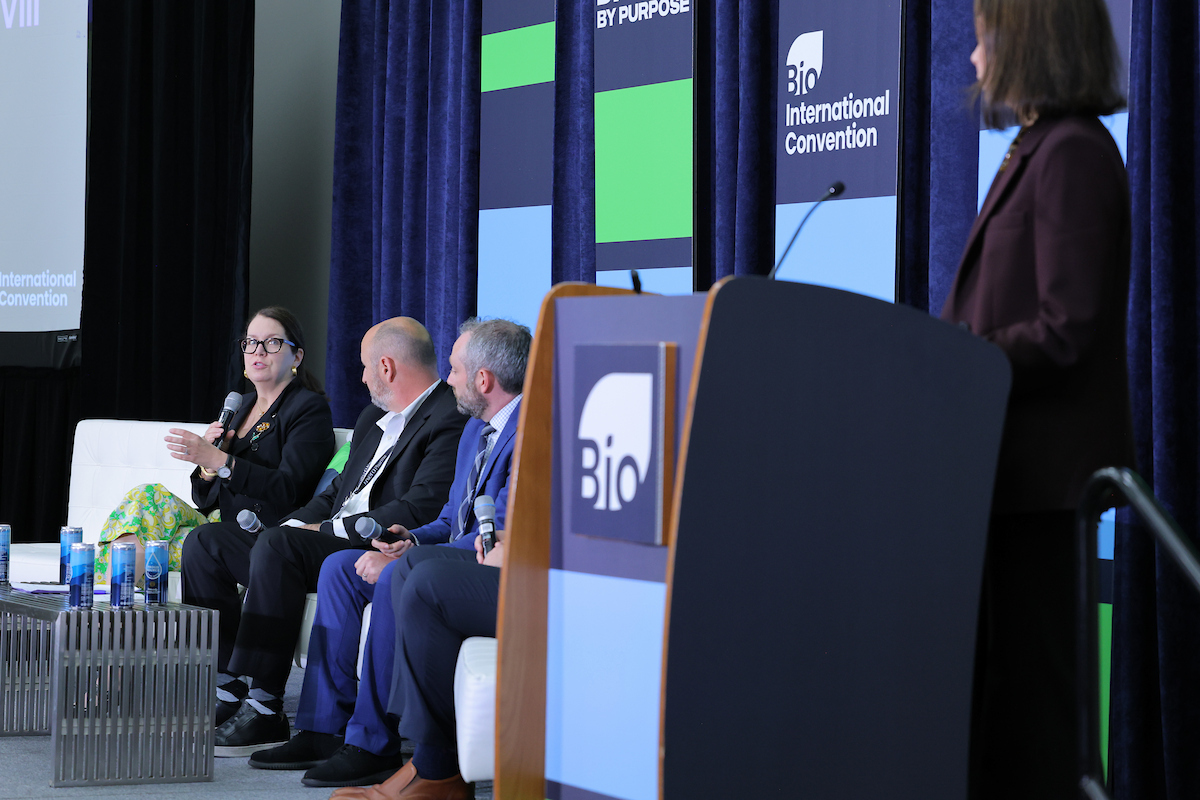
Industry leaders at BIO 2026 discussed the proposed PDUFA VIII next steps.
After a year of discussion with the industry and 127 meetings with federal officials over six months, negotiators reached agreement on a Prescription Drug User Fee Act (PDUFA) Commitment Letter that one described as “back to basics.”
The resulting plan for PDUFA, which sets commitments for FDA’s operations, was an important accomplishment, according to the negotiator, Steve Berman, VP for Science and Regulatory Affairs Strategy at the Biotechnology Innovation Organization (BIO).
“This return to basics shouldn’t be misunderstood as an unambitious PDUFA,” said Berman, who joined a June 24 BIO International Convention panel to help explain the agreement. “What we were able to achieve through these negotiations was rather remarkable, and we really think it’s going to help make the entire drug development ecosystem more efficient and effective.”
As the main biopharma industry association, BIO was among the leaders in negotiating the PDUFA VIII proposal. BIO’s representatives in the negotiations with the FDA included Berman and Annetta Beauregard, BIO SVP of Science & Regulatory Affairs. Representatives from BIO’s membership were also in the PDUFA negotiations, including Robert J. Berlin, Head of Regulatory Policy at Vertex Pharmaceuticals.
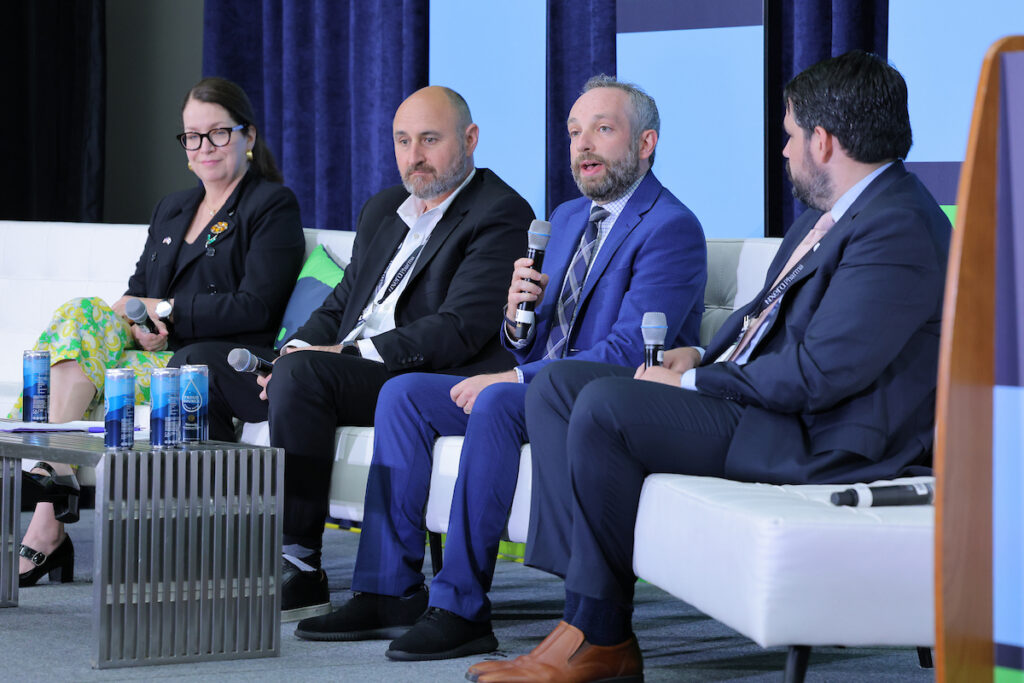
Berman, Beauregard, and Berlin joined other experts on the panel in San Diego to help members of the biotech industry understand the contents of the PDUFA VIII commitment and its significance for innovation and patients.
First enacted in 1992, the PDUFA is an agreement that allows the U.S. Food and Drug Administration (FDA) to charge drug makers fees for new drug applications and for drugs that are already approved. Thanks to these user fees, the FDA has been able to become more efficient in regulating prescription drugs. The PDUFA agreement is updated and reauthorized by Congress every five years, and the eighth version of the agreement is due for reauthorization next year.
To achieve the current draft commitment letter, BIO assessed industry needs through extensive consultation with its members, then joined meetings with the FDA and a few other industry members. The draft they agreed upon is set to be shared this summer and put through public review this fall, before being finalized and sent to Congress.
Improvements in the PDUFA VIII proposal
Improvements planned for PDUFA VIII would include enhanced communications during the application process, so drug makers are better able to understand and comply with FDA requirements, Berman said. There are also plans for efficiencies to make drug review faster.
“For example, if you have a single product designed to target multiple indications reviewed by multiple review divisions throughout the FDA, it’s now going to be possible to meet with all of those divisions at once, to increase efficiency for both FDA and the biopharmaceutical industry,” he explained.
There are also plans to improve the part of the drug approval process that deals with Chemistry, Manufacturing, and Controls (CMC) data, an issue that causes complications with about 50% of FDA applications, panelists said. PDUFA VIII includes more opportunities for interaction to solve those problems, they said.
“It was a very collaborative negotiation with FDA and industry because none of us want to see 50% complete responses for manufacturing, and we looked for opportunities to have that dialogue earlier and often,” said Beauregard.
Berman agreed, saying that both sides sought to resolve this issue and other issues with a focus on patient needs.
“There’s no reason for patients to have delays in access to safe and effective medicines from preventable issues that could be discussed. And we’re really excited about these new mechanisms to have those discussions,” he said.
What’s next for PDUFA and public involvement
While the full draft agreement is only shared with the public this fall, it is possible to learn more about it by accessing the minutes of the meeting, said panel moderator Alexis Miller, U.S. Lead, Global Regulatory Policy at Merck.
Panelist Barrett Tenbarge, Partner at Faegre Drinker, explained the next steps in the process. The current commitment letter is being reviewed by the Office of Management and Budget (OMB). Next, there will be a process of public review, probably sometime this fall, followed by submission of the document to Congress, where action is anticipated in January.
The panelists said they were optimistic about achieving a PDUFA proposal that will assist in the important process of drug development and commercialization.
“What drug developers really need in order to be successful is they need predictability and process, and PDUFA provides that so they can bring innovative therapies to patients and do it in a system that they understand the rules of and can rely on,” Berman said.
The post BIO 2026: Industry PDUFA negotiators describe their agreement with FDA appeared first on Bio.News.
Apa Reaksi Anda?
 Suka
0
Suka
0
 Kurang Suka
0
Kurang Suka
0
 Setuju
0
Setuju
0
 Tidak Setuju
0
Tidak Setuju
0
 Bagus
0
Bagus
0
 Berguna
0
Berguna
0
 Hebat
0
Hebat
0