
































%20and%20Batch%20Production%20Records%20(BPR).png)











Building a Bioprocessing Workforce Through Partnerships
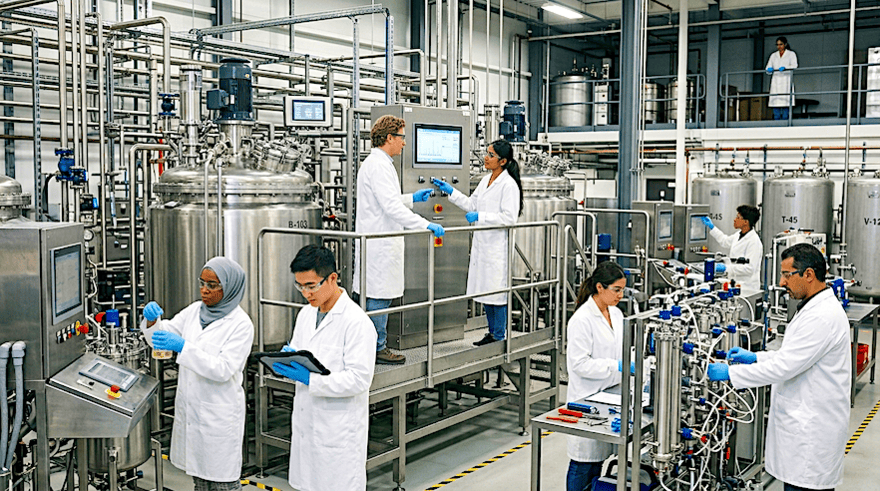
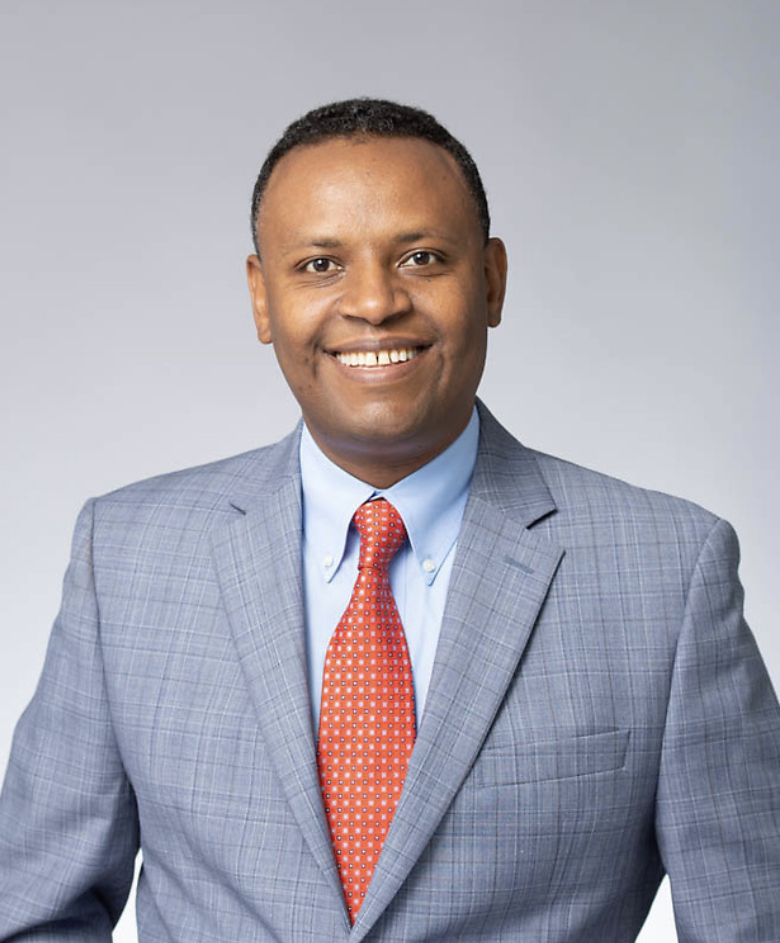
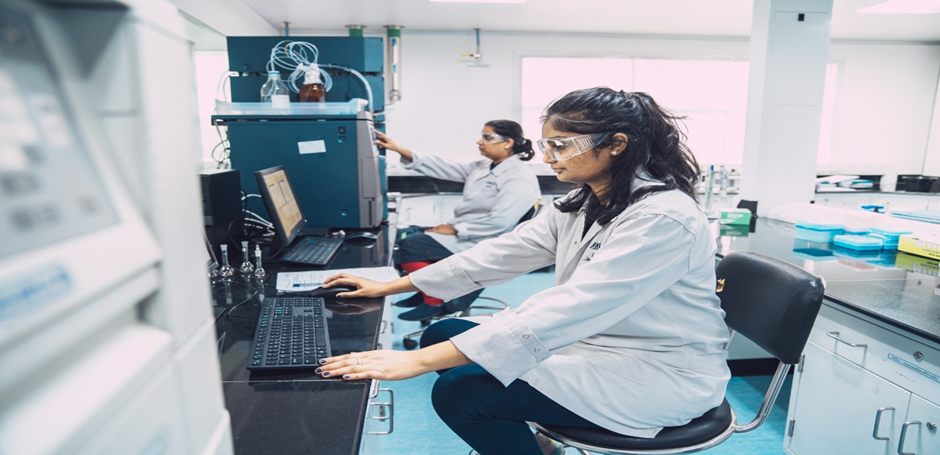
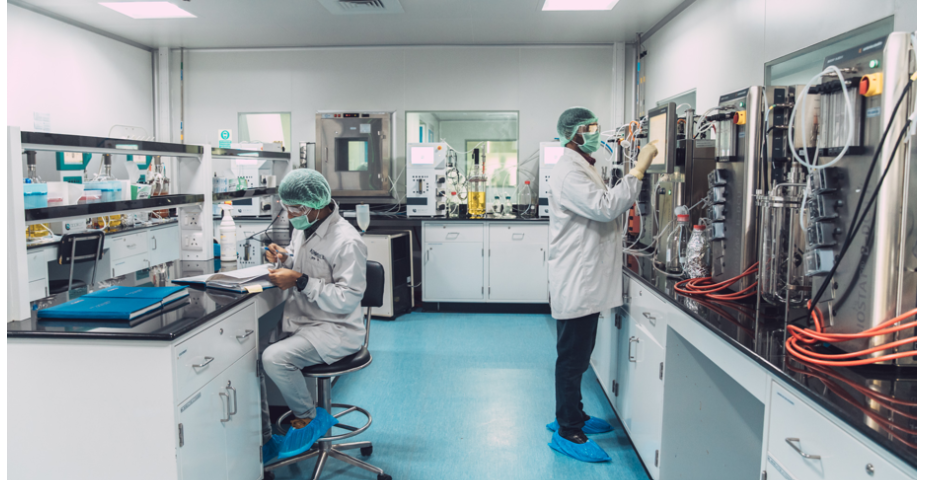
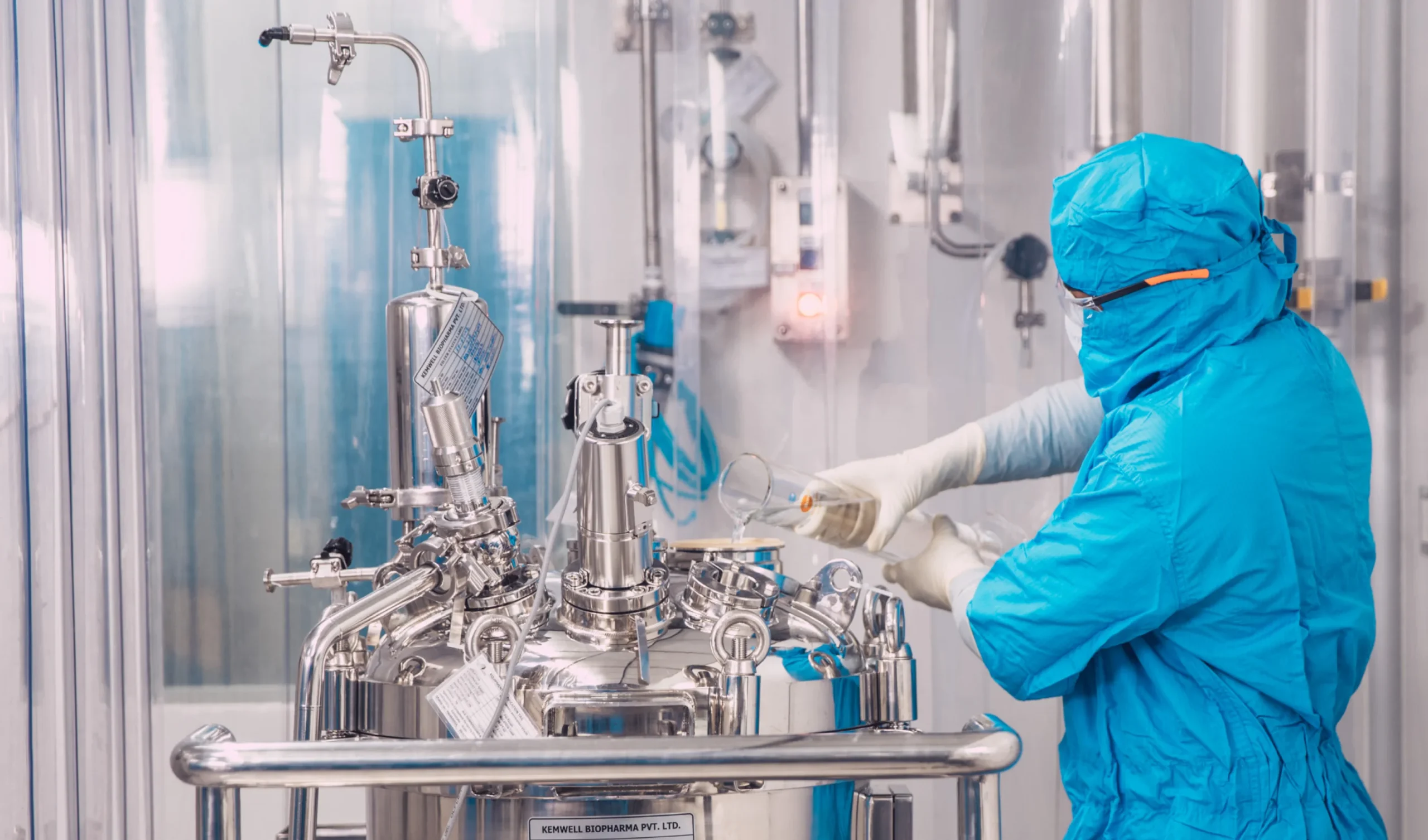
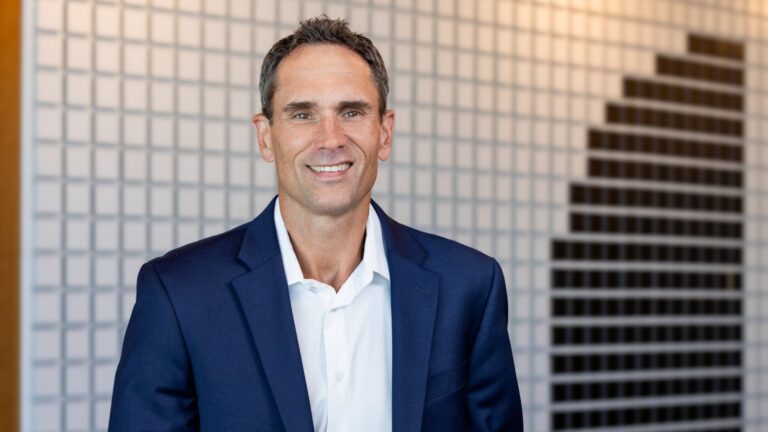
As president of the Children’s GMP facility at St. Jude Children’s Research Hospital, Frank Fazio oversees a complex biomanufacturing operation that depends on a highly skilled and diverse workforce. This team is responsible for the manufacture of investigational therapeutics that conform to the FDA’s good manufacturing (GMP). In this interview, he discusses the challenges and opportunities in building and sustaining a bioprocessing workforce.
GEN: How would you characterize the workforce requirements for bioprocessing?
Frank Fazio: We’re essentially a fully integrated little biomanufacturing company. We need skill sets and education levels that range from jobs requiring a GED or high school diploma to PhDs with postdoctoral experience—and everything in between. We need technicians, new PhDs, and experienced scientists. So it’s not a single pipeline of employees; it’s multiple pipelines.
Geography also plays into it. In markets like Boston, Research Triangle Park, or San Francisco, the candidate pool is deep because there are many bioprocessing companies. In other markets, finding people with GMP experience becomes much more difficult.
Organizations like NIIMBL [National Institute for Innovation in Manufacturing Biopharmaceuticals] are also helping enhance the workforce by supporting workforce development through grants, training, and educational content.
GEN: What are the biggest challenges in attracting and retaining a skilled workforce?
Fazio: They’re really two separate challenges: attracting people and keeping them.
The mission of an organization is often what attracts talent. Whether it’s a startup developing a breakthrough technology or addressing an unmet medical need, people want to be part of something meaningful.
Retention depends on organizational culture. You have to reward people for what they do, provide intellectual challenges, and create opportunities for scientific and career growth.
In highly competitive markets, compensation also matters. A startup may suddenly offer salaries that are 15% or 20% above market rates, changing the competitive landscape. Organizations need strategies to either keep pace with those shifts or successfully ride them out.
GEN: Does the St. Jude mission provide an advantage in recruiting?
Fazio: I think that’s true. The mission is what brought me to St. Jude, and the opportunity to be part of that mission is certainly a benefit. But people can also get excited about the technology itself. Gene therapies, messenger RNA technologies, and other advances have generated tremendous enthusiasm, and that excitement helps attract talented people.
GEN: What strategies are most effective for supporting workforce development?
Fazio: I’m fortunate because Children’s GMP is a 70-person organization within a 6,000-person institute. That creates opportunities for employees to grow within St. Jude.
We want people to gain valuable skills in Children’s GMP and then continue advancing elsewhere in the institute if that’s the right next step. That keeps talented employees within St. Jude while giving them meaningful career opportunities. Many of our employees want to stay in the Memphis area, so providing those pathways helps them grow professionally without feeling limited.
GEN: Do you have additional initiatives that are strengthening workforce development?
Fazio: We’ve been working on this aggressively for the past four years through partnerships. We partnered with Southwest Tennessee Community College to create a biomanufacturing-technician internship. Students complete internships during their final semester, gain experience at St. Jude, and have opportunities to apply for full-time positions. We’ve also reached into local high schools to introduce students to careers in biomanufacturing and make them aware of biotechnology programs. At the university level, we partner with the University of Memphis, Rhodes College, and the University of Mississippi through internships, mentoring, presentations, and recruitment efforts. These experiences help students decide whether to pursue graduate school, enter manufacturing, or build careers within the regional biotechnology ecosystem.
GEN: Why are these partnerships so important?
Fazio: I’m an old manufacturing person, so if something isn’t available, you’ve got to make it. That’s how I feel about the workforce pipeline. If the pipeline doesn’t exist, then you have to build it.
We understand the range of skills and educational backgrounds we need, and these partnerships allow us to develop that pipeline. We’re proud of the work we’ve done around workforce development. Creating access to advanced therapeutics is important, but so is education. Being part of an organization like St. Jude means education is in our culture, and our employees take great pride in contributing to that effort.
The post Building a Bioprocessing Workforce Through Partnerships appeared first on GEN - Genetic Engineering and Biotechnology News.
Apa Reaksi Anda?
 Suka
0
Suka
0
 Kurang Suka
0
Kurang Suka
0
 Setuju
0
Setuju
0
 Tidak Setuju
0
Tidak Setuju
0
 Bagus
0
Bagus
0
 Berguna
0
Berguna
0
 Hebat
0
Hebat
0