

















































%20and%20Batch%20Production%20Records%20(BPR).png)
















Dental handpiece compliance: are you missing a step?
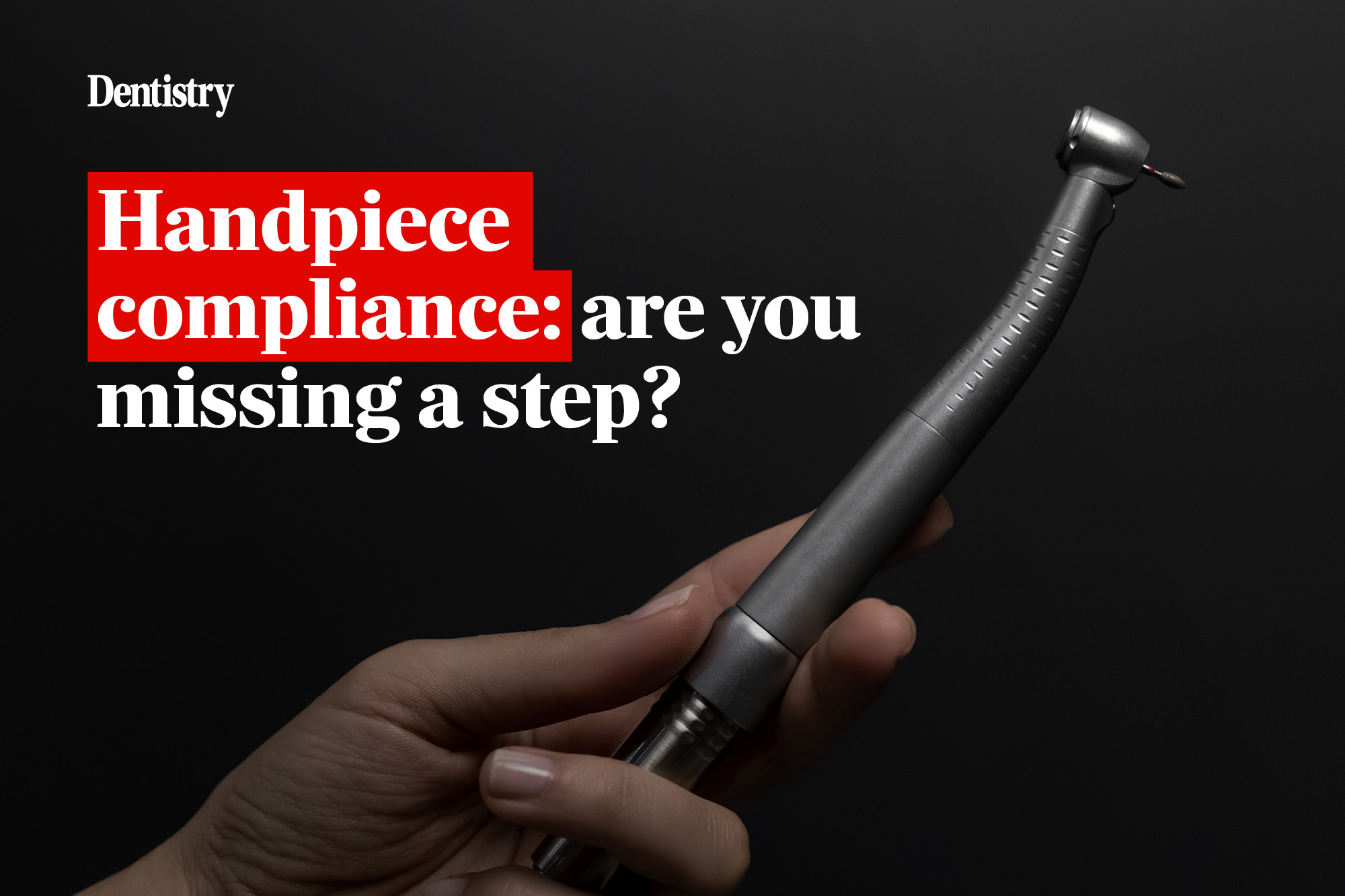
Autoclaved doesn’t always mean compliant – Bilkis Hussain, FMC’s head of compliance, answers your most common handpiece compliance questions.
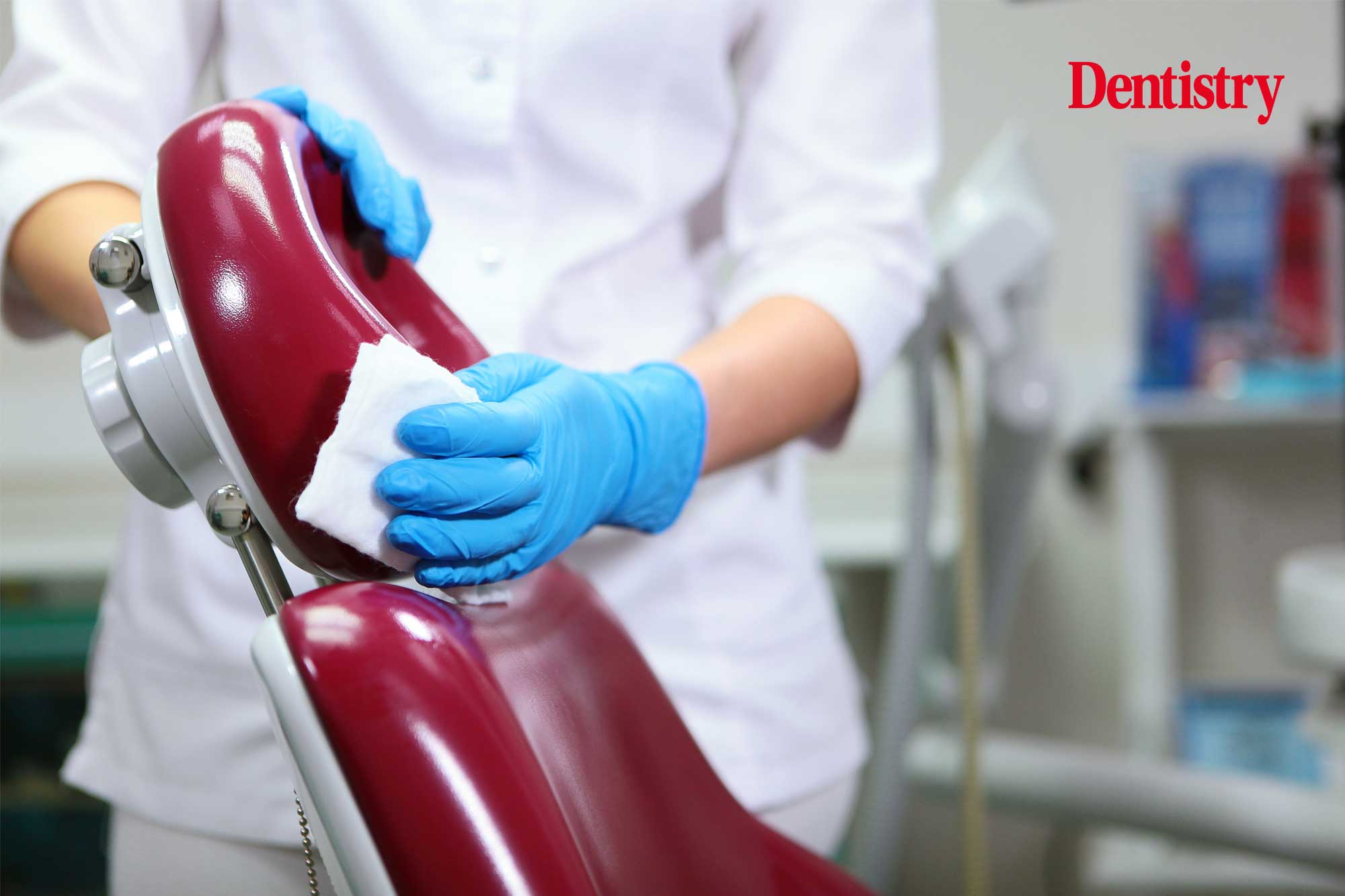
Dental handpiece compliance is an essential part of protecting patients, staff and the wider practice. Yet with several persistent misconceptions around correct procedures, it can be difficult to know whether every requirement is being met.
In this FAQ, compliance expert Bilkis Hussain addresses the key questions dental professionals should be asking. Read on for everything you need to know about avoiding common pitfalls and maintaining a compliant approach.
What are the key compliance requirements dental practices need to follow?
Dental handpieces are used every day, but their maintenance and decontamination can easily become one of those processes that a practice simply does because, ‘that’s how we’ve always done it.’
For practices in England, HTM 01-05 provides the key guidance for decontaminating reusable dental instruments. From a CQC perspective, this links particularly to Regulation 12 – Safe care and treatment and Regulation 15 – Premises and equipment. CQC expects practices to have safe decontamination processes and appropriately maintained equipment.
Are there any common misconceptions about handpiece compliance?
One of the biggest misconceptions around handpieces is that putting them through an autoclave automatically makes the process compliant. Sterilisation is only one part of the journey. Handpieces need to be appropriately cleaned, inspected, lubricated where required, sterilised and stored ready for use.
How important are the manufacturer’s instructions?
And this is where the manufacturer’s instructions really matter. Not every handpiece can be treated in exactly the same way. HTM 01-05 specifically advises practices to check whether the manufacturer permits cleaning in a washer-disinfector and to follow their recommendations for lubrication. A dedicated handpiece maintenance unit may clean and lubricate a handpiece, but that does not necessarily mean it disinfects it.
Who’s responsibility does it fall under – practice or individual?
So, who is responsible? Ultimately, the practice/registered manager must have a safe system in place, with suitable equipment, procedures, training and oversight. The individual team member also has a responsibility to follow that process correctly.
How can a practice check that its handpiece process is compliant?
A simple way to check compliance is to follow a handpiece through your decontamination process from patient to patient. Can your team explain each stage? Does it match the manufacturer’s instructions? Can you evidence that your equipment is tested, maintained and validated?
Your wider infection prevention and control audit should also assess decontamination. CQC states that decontamination processes should be audited at least every six months, with actions and improvements recorded.
What’s the one piece of advice you’d give practices about handpiece compliance?
Don’t assume. Check the manufacturer’s instructions and make sure what happens in practice matches what is written on paper.
Follow Dentistry.co.uk on Instagram to keep up with all the latest dental news and trends.
Apa Reaksi Anda?
 Suka
0
Suka
0
 Kurang Suka
0
Kurang Suka
0
 Setuju
0
Setuju
0
 Tidak Setuju
0
Tidak Setuju
0
 Bagus
0
Bagus
0
 Berguna
0
Berguna
0
 Hebat
0
Hebat
0