



































%20and%20Batch%20Production%20Records%20(BPR).png)













The future of private dentistry: prepare to be compared
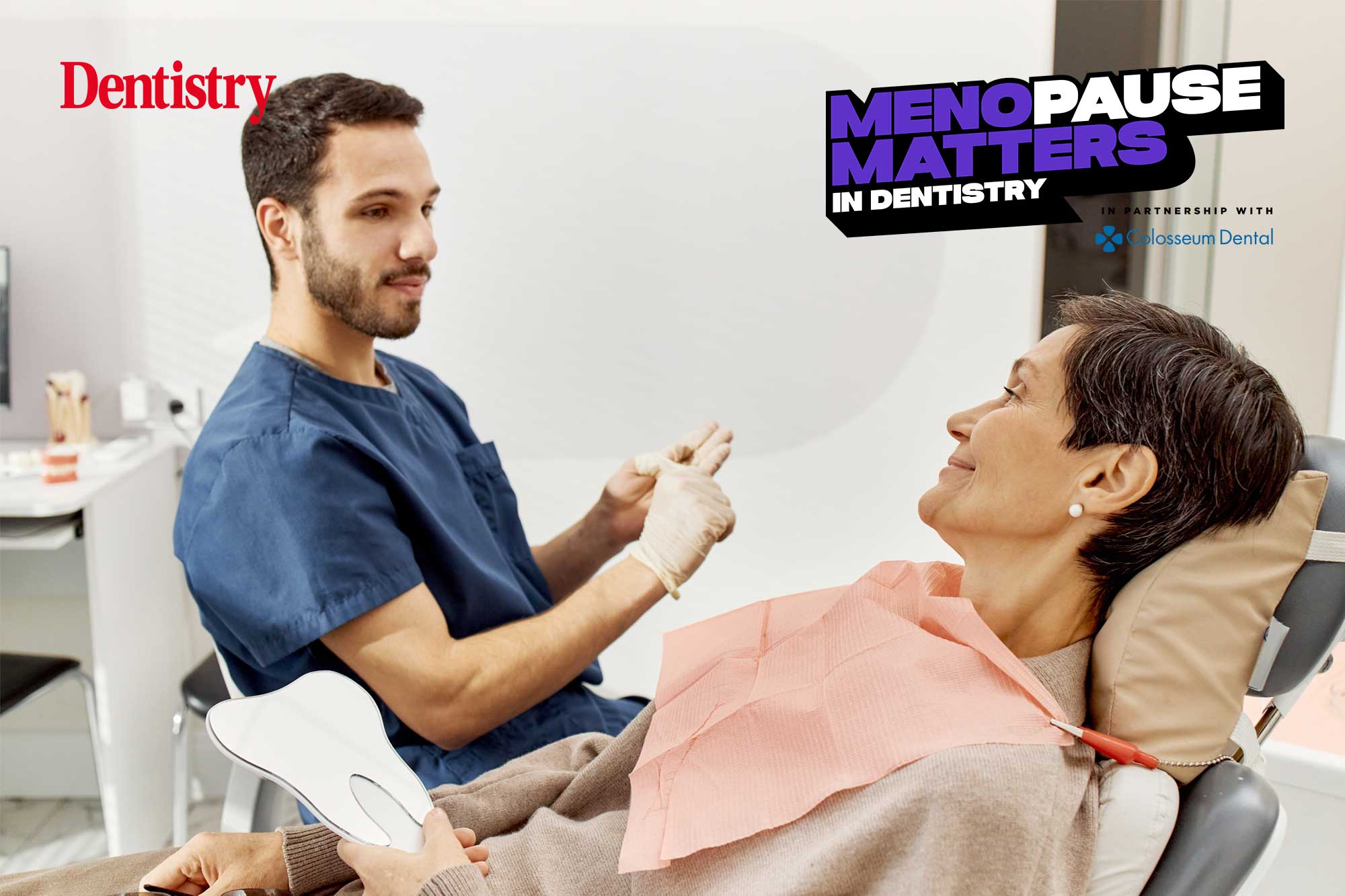
Anthony Gedge revisits his 2020 predictions for private dentistry and asks whether practices are ready for patients to compare prices, treatment promises and clinical responsibility.
I got the patient behaviour broadly right. Jane would find a practice on her phone, look at reviews and images, have a remote first conversation, consent digitally and use app-based monitoring. That is now familiar.
I got the practice economics wrong. I forecast smaller clinics, half the reception team and fivefold profitability with the certainty of a man who had not yet met the real cost of finishing a case. Technology has not removed diagnosis, accountability or the need to get a patient back through the door when a case drifts.
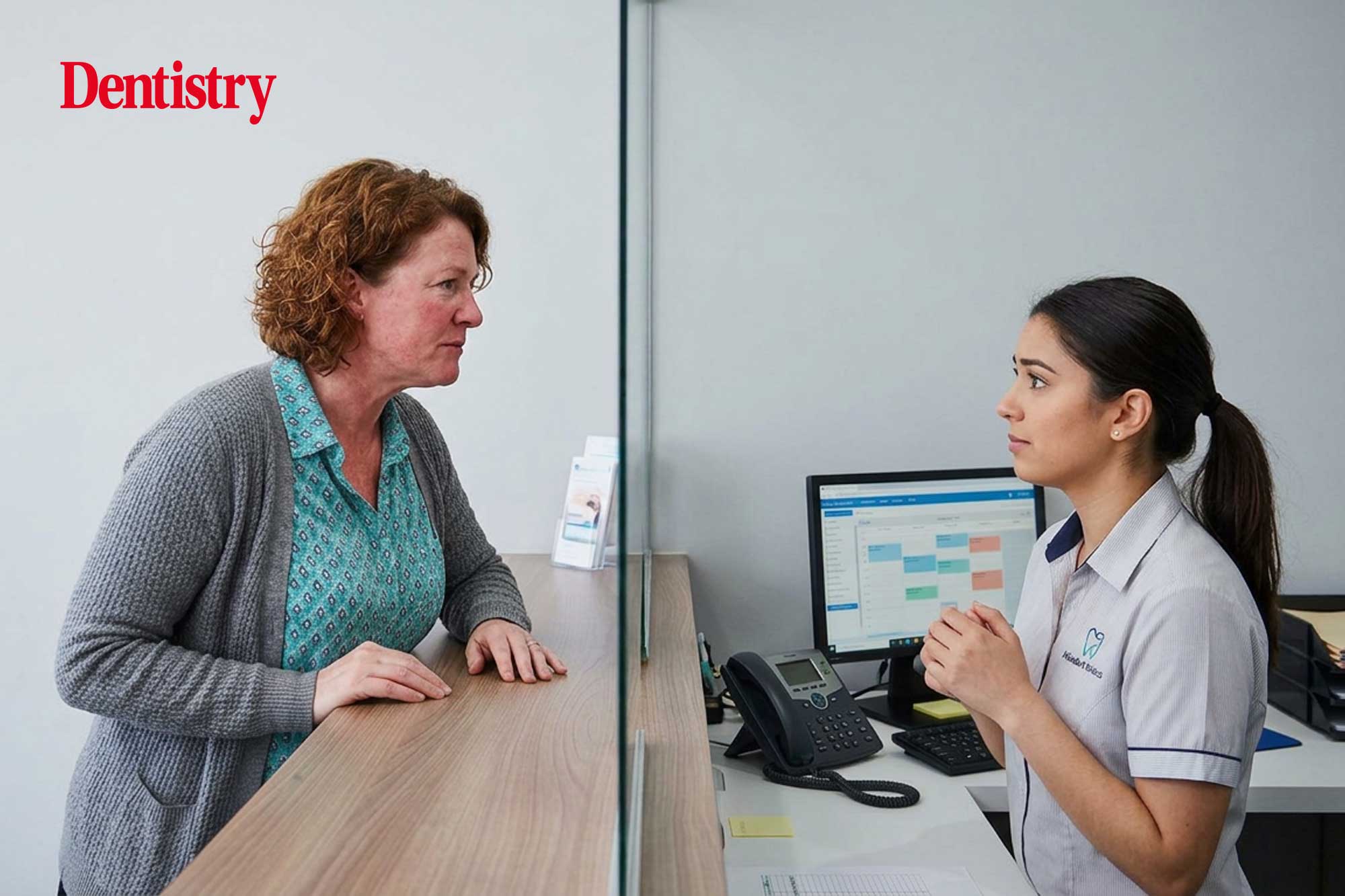
Orthodontics exposes the problem first. Jane can put two aligner quotations beside each other and compare appliance and headline price. She cannot tell, from a smiling photograph, whether assessment, monitoring, refinements, finishing and escalation are comparable. The fee has to explain the clinician’s work when the case stops being straightforward.
In my 2014 book, Invasion Of The Straight Teeth Snatchers, I warned that ‘a price war will erupt and a flurry of price shoppers will waste everyone’s time’. The warning was not that patients should not compare. They should. The danger is making price the only thing they can compare.
SmileDirectClub showed the cost of creating demand from scratch. Its 2022 accounts reported $290.2 million in marketing and selling costs, equivalent to 88.5% of its $327.9 million gross profit. That figure includes selling operations and SmileShop costs, not advertising alone. A clinic starts with a patient base, a team and a place where trust can be earned.
The appliance is becoming the easy part
Smile White offers partner dentists prepaid patients and centrally handled marketing, laboratory work and communications, while the dentist approves the plan. It uses ‘smile advisor’, a title I advocated in Chapter 3. Shared terminology is not evidence that it borrowed the phrase from me.
Invisiblebraces4u combines virtual consultation with local care. Dental Beauty Group Limited has been the legal majority controller of IB4U Ltd since September 2024. Its first filed accounts report eight-figure revenue for the 471 days to 31 December 2025. That is turnover over an extended period, not an annual figure or a valuation.
It also points to a harder commercial question. IB4U advertises Sunday appointments at Islington and Battersea addresses where Dental Beauty lists Sunday as closed. The accounts do not prove a tenancy model or session profitability. They do show the opportunity: rent does not stop when the surgery lights go out. Extra sessions still need to cover clinicians, decontamination and follow-up.
The groups need not own the factory to change the market. mydentist’s 2021 article says its ClearCorrect relationship began in 2019 and had trained 500 clinicians on more than 2,000 cases. Those are historic figures. Nick Marston’s recent teaser proves no new product, but the group already has patients, premises and trained people.
In America, Aspen Dental sells its proprietary Motto brand through its network. Eon Dental says it designed the customised enterprise solution behind Motto, including production-back-end integration. Pacific Dental Services extended its Envista relationship around Spark. Fixed braces are open too: LightForce, KLOwen and Brava use digital planning in different ways.
None of that reduces clinical responsibility. Remote monitoring changes who sees an alert and when, not who owns the decision. Mild-to-moderate cases can be handled by trained GDPs within competence; complex care still needs a specialist-led plan and clear escalation. Orthodontic therapists work under prescription and direction. ‘Anyone with crooked teeth’ is a category, not a market.
The price comparison arrives next
The Competition and Markets Authority’s July 2026 update records CMA-issued information notices to more than 20 dental groups on pricing, plans, complaints and incentives. These are evidence-gathering requests, not conclusions. Which?’s submission argues for clearer ‘From £x’ pricing and early disclosure of extras.
The General Dental Council already requires clear website pricing and guarantee information. The likely change is aggregation. The veterinary remedy package requires price data to support an improved Find a Vet service and approved comparison providers. Dentistry has no equivalent remedy yet; the CMA’s study remains open and its final report is due by 4 March 2027.
DentaClarity’s March 2026 submission described a platform in development for comparing treatment costs and facilities by location. It is a prospective entrant, not a finished consumer product. But it tells you where the pressure is coming from.
My forecast is simple. Jane will open a private-dentistry comparison app, see item fees, finance, maintenance plans, availability and reviews, then compare what is included. She may upload selfies and a treatment plan to compare stated scope. Paid placement will need a label. Her clinical assessment remains essential; an app cannot prescribe treatment or certify consent.
After a proper discussion of options, risks, benefits and costs, Jane may record consent and submit remote-monitoring images in the same app. A named clinician still reviews the case, decides what matters and brings her in. Comparison will not replace the relationship. It will make a vague offer much harder to defend.
Three decisions before 2029
First, publish fees, inclusions and exclusions in readable text before someone else scrapes them. Separate a maintenance plan from borrowing. Show the deposit, annual percentage rate, term and total repayable together.
Second, make the clinical promise visible. State who assesses, monitors, changes the plan, provides refinements, finishes the case and handles trouble. A lower price can reflect efficiency or a narrower service. A higher price proves nothing by itself.
Third, stop marketing to ‘people with crooked teeth’. Build offers around an identifiable person and a real moment, then make sure the clinical route suits that person. A generic smile advert is a letter addressed to ‘Occupier’.
My next forecast ends where this one began: Jane puts two quotations on the desk. She should see price, scope and the clinician responsible. If she cannot, you have handed your margin to the comparison engine.
Create a free account for unlimited access — plus the Dentistry Bulletin delivered to your inbox.
Apa Reaksi Anda?
 Suka
0
Suka
0
 Kurang Suka
0
Kurang Suka
0
 Setuju
0
Setuju
0
 Tidak Setuju
0
Tidak Setuju
0
 Bagus
0
Bagus
0
 Berguna
0
Berguna
0
 Hebat
0
Hebat
0