




















































%20and%20Batch%20Production%20Records%20(BPR).png)

















Cholesterol Drug May Weaken Ovarian Cancer’s Metastatic Defense

The accumulation of fluid in the belly, known as ascites, is something that women with advanced ovarian cancer may know all too well. The results of research by a team at Duke University School of Medicine now suggest that, more than causing discomfort, this fluid may protect cancer cells from a form of cell death known as ferroptosis, helping cancer cells survive and spread. The studies also indicated that a decades-old cholesterol-lowering drug, bezafibrate, may be able to disrupt that protection.
The findings, derived through lab experiments and an analysis of patient samples, do not show that bezafibrate treats ovarian cancer. But they do suggest that changing the environment that cancer depends on could make it more vulnerable to existing cancer treatment.
“Doctors have mostly viewed ascites as a symptom rather than an active driver of disease,” said Jen-Tsan Chi, PhD, a professor in the department of molecular genetics and microbiology and co-leader of the Cancer Biology Program at the Duke Cancer Institute. “We’ve learned it gives cancer a survival advantage, which fills a major gap in understanding how ovarian cancer spreads.”
Chi is senior and corresponding author of the team’s published paper in Nature Communications, titled “Ascites protects against ferroptosis and enables the peritoneal growth of ovarian cancer.” In their paper, the authors concluded, “Our findings identify ascites as a key determinant of ferroptosis resistance in metastatic OVCA and highlight its role in promoting tumor survival and dissemination within the peritoneal cavity.”
The peritoneum is a frequent site of metastasis in ovarian cancer (OVCA), the authors explained, and this is often accompanied by the accumulation of ascites in the peritoneal cavity. And while ascites is observed in other diseases such as liver cirrhosis, it’s most often associated with metastatic OVCA. The fluid occurs in 90% of those with advanced ovarian cancer. Doctors will drain ascites to ease pain, improve mobility, and make breathing easier, which offers patients relief even if it doesn’t stop the disease.
“Due to the enrichment of cellular and acellular factors, the ascitic fluid is reported to harbor a growth-promoting and immune-evading environment for cancer cells and is thought to serve as a medium for cancer cell dissemination and tumor progression and metastasis,” the team continued. However, they noted, “Despite its prevalence, ascites and its role in the peritoneal growth of OVCA remain poorly understood.”
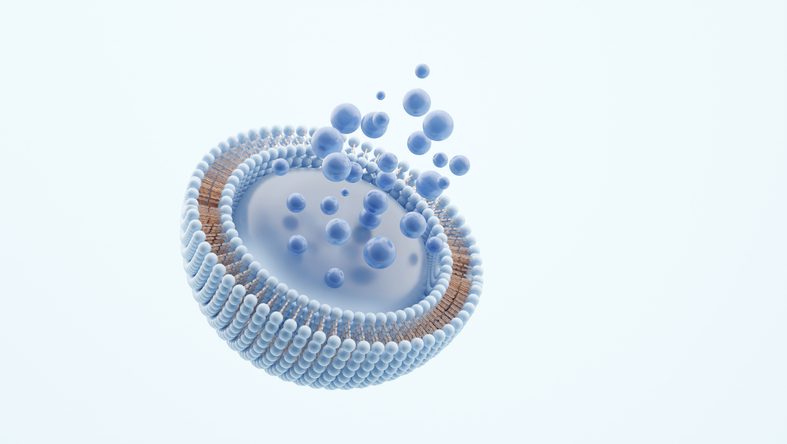
According to the newly reported study findings, ascites also acts as a shield, helping cancer cells evade a specific form of cell death called ferroptosis. Ferroptosis is a kind of cellular rusting. It happens when iron inside a cell reacts with certain fats, causing the cell membrane to break apart. Many metastatic cancer cells—those that float freely through the abdomen looking for new places to grow—are naturally vulnerable to this kind of damage. “… we and other groups have reported that detached and metastasizing OVCA cells are especially vulnerable to ferroptosis, a form of cell death characterized by iron dependency and an irreversible accumulation of lipid hydroperoxides,” the authors wrote.
The study in Nature Communications shows how they survive anyway. For their research, the scientists bathed cancer cell lines and patient-derived tumor cells in ascites collected from patients, and observed how they responded to ferroptosis triggers. “Nothing is currently known about how ascites may influence OVCA cells’ ferroptosis,” they noted. “Given the common occurrence of ascites with peritoneal metastasis, ascites may be crucial for the peritoneal spread of OVCA.”
![From left, Duke University School of Medicine researchers Susan K. Murphy; Andrew Berchuck, MD; Yasaman Setayeshpour, PhD, and Jen-Tsan Ashley Chi, PhD, are studying how a common class of cholesterol drugs, called fibrates, can strip away a key defense used by ovarian cancer cells, making them more vulnerable to treatment. [Duke University School of Medicine/Mark Dolejs]](https://www.genengnews.com/wp-content/uploads/2026/05/Low-Res_20260311_Jen-Tsan-Ashley-Chi_MRD14-300x200.jpg)
“What surprised us was how selective this effect was,” said first author Yasaman Setayeshpour, a graduate student in molecular genetics and microbiology at Duke School of Medicine. “Ascites didn’t protect the cancer cells from other well-known types of cell death, like apoptosis or necrosis—it only blocked ferroptosis.
“To figure out why, we broke ascites down into major parts, like lipids, proteins, and small molecules, and tested what happened when each was removed. When we took the lipids out, the protective effect disappeared. That told us lipids are the key reason ascites helps these cancer cells survive,” Setayeshpour said.
The researchers also found an unexpected helper in the form of bezafibrate, an older type of cholesterol-lowering drug that is used to lower triglycerides by altering how the body processes fats. “The idea behind testing lipid-lowering drugs was to mimic what happens when lipids are removed from ascites,” Setayeshpour explained.
The studies showed that bezafibrate restored sensitivity to ferroptosis, but only when ascites was present. On its own, the drug did not trigger cell death, nor did it slow tumor growth in mice. The researchers found that the drug’s impact hinged on the cancer’s surroundings, in this case, the fat-rich fluid bathing the tumor. The studies showed that targeting this environment, using repurposed drugs like bezafibrate, could leave cancer cells more exposed to existing cancer treatments. “Given the intrinsic vulnerability of metastatic cancer cells to ferroptosis, these data suggest that ascites-mediated protection represents a critical mechanism supporting peritoneal survival,” the team noted. “Importantly, re-sensitization to ferroptosis by bezafibrate raises the possibility that therapeutic targeting of this pathway may limit peritoneal dissemination.”
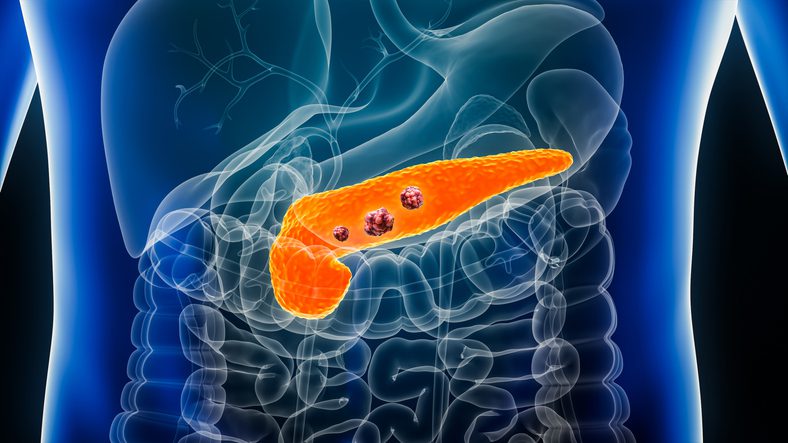
Chi said the finding could have implications beyond ovarian cancer. Other cancers, including colorectal and pancreatic cancers, can also spread within the abdominal cavity. “These findings may also extend beyond ovarian cancer to other metastatic settings, including peritoneal colorectal cancer and pleural, brain, or spinal metastases,” the authors stated.
“This work shows how much the environment around a tumor matters,” Chi said. “Biological fluids like ascites don’t just give cancer cells a place to move. They actively help drive how cancer spreads.”
The post Cholesterol Drug May Weaken Ovarian Cancer’s Metastatic Defense appeared first on GEN - Genetic Engineering and Biotechnology News.
Apa Reaksi Anda?
 Suka
0
Suka
0
 Kurang Suka
0
Kurang Suka
0
 Setuju
0
Setuju
0
 Tidak Setuju
0
Tidak Setuju
0
 Bagus
0
Bagus
0
 Berguna
0
Berguna
0
 Hebat
0
Hebat
0