













































%20and%20Batch%20Production%20Records%20(BPR).png)














Learning From the Field: Why Owner‑Led Case Studies Matter More Than Ever in Healthcare Facilities
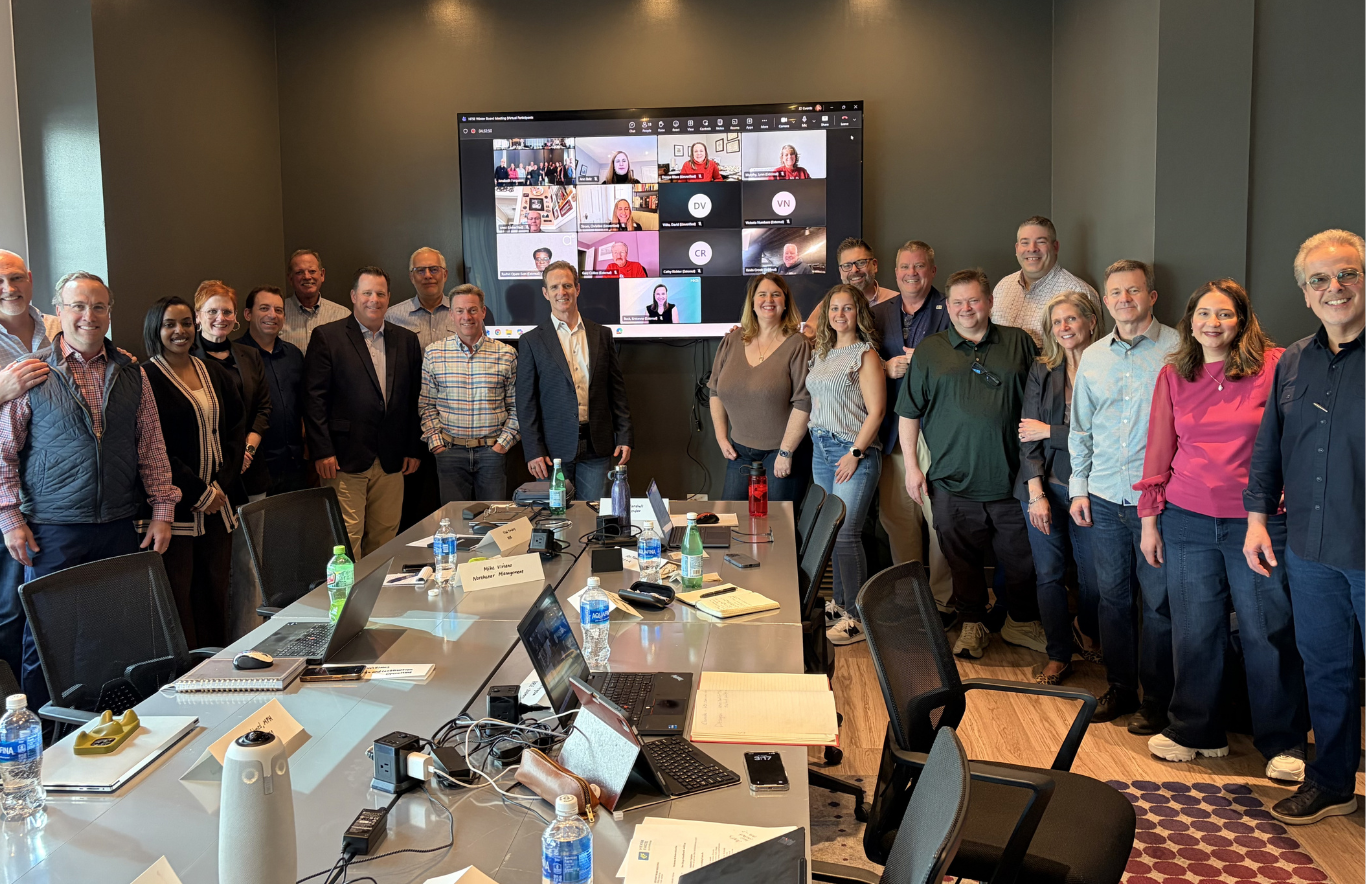
The Healthcare Facilities Symposium & Expo (HFSE) Advisory Board is a diverse group of leaders from healthcare systems, facilities, design, construction, engineering, and operations meets twice each year to guide the direction of the Symposium — once for deep strategic planning, and again mid‑year to refine priorities as industry conditions evolve. | Photo Credit (all): Courtesy of HFSE
By Jenabeth Ferguson, Vice President & Symposium Director, Healthcare Facilities Symposium & Expo
One of the most valuable aspects of working in the healthcare industry is how willing people are to share — not just successes, but lessons learned. Healthcare facilities work is complex, high‑stakes and deeply human. None of us gets it exactly right every time, which is why learning from each other has never mattered more.
That spirit of shared learning is what defines the Healthcare Facilities Symposium & Expo (HFSE) Advisory Board. This diverse group of leaders from healthcare systems, facilities, design, construction, engineering, and operations meets twice each year to guide the direction of the Symposium — once for deep strategic planning, and again mid‑year to refine priorities as industry conditions evolve.
Each January, the Advisory Board gathers to set the foundation for the upcoming HFSE conference program. In January 2026, the conversation quickly moved past trends and buzzwords and focused on a practical question: What are people working in healthcare environments being asked to solve right now — and where do they need real, experience‑based guidance? The message was consistent. The industry needs more honest, owner‑led stories that connect planning, design, and construction decisions directly to operations, staff experience and patient care.
The Project Types Driving Today’s Challenges
Across the advisory board discussions — both at the January annual meeting and during follow‑up sessions throughout the year — several project types consistently rise to the top. Health systems are investing heavily in large hospital replacements and expansions, while also accelerating care delivery closer to communities through outpatient, ambulatory and specialty facilities. Behavioral health projects — across acute, residential and crisis settings — remain a critical focus, along with cancer care, pediatrics, women’s health, rural and critical access hospitals.
What connects these projects isn’t scale or budget. It’s uncertainty. Care models are changing. Workforce strain is real. Supply chains remain unpredictable. Technology is evolving faster than many capital programs can fully anticipate. Advisory board members emphasized that future‑ready facilities must be flexible, resilient, and grounded in operational reality, not idealized assumptions.
Those priorities directly shaped the 2026 HFSE conference program.
Turning Real‑World Challenges Into Practical Learning
As I look at this year’s program, what stands out is how consistently sessions are anchored in real facilities — often with healthcare providers speaking candidly about their experience.
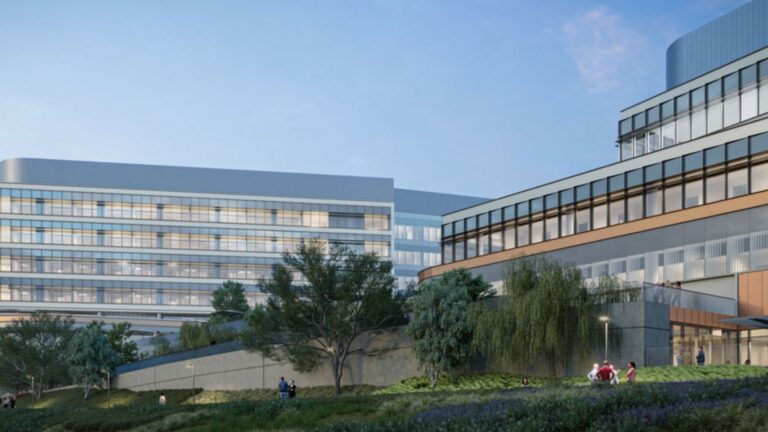
Large‑scale transformations like Valleywise Health’s multi‑year, multi‑campus modernization provide a behind‑the‑scenes look at how resilient design, phased delivery, and operational data influenced decisions that affect safety, access, and surge capacity every day. Similarly, the Atrium Health Carolinas Medical Center expansion explores how collaboration, trust, and team health directly influenced schedule reliability, staff confidence and performance under pressure.
Outpatient growth is another recurring theme shaped by advisory board input. Organizations such as Moffitt Cancer Center and UNC Health share how their facilities had to adapt mid‑project — sometimes after construction was already underway — to meet shifting patient volumes and service demands. These case studies don’t gloss over constraints; they show how flexibility in planning and delivery protects patient access and clinical workflows when conditions change.
When Design Decisions Reach the Bedside
One of HFSE’s defining characteristics has always been bringing multiple perspectives into the same room. I’m especially proud that the 2026 program continues to elevate provider and operator voices as central to each case study.
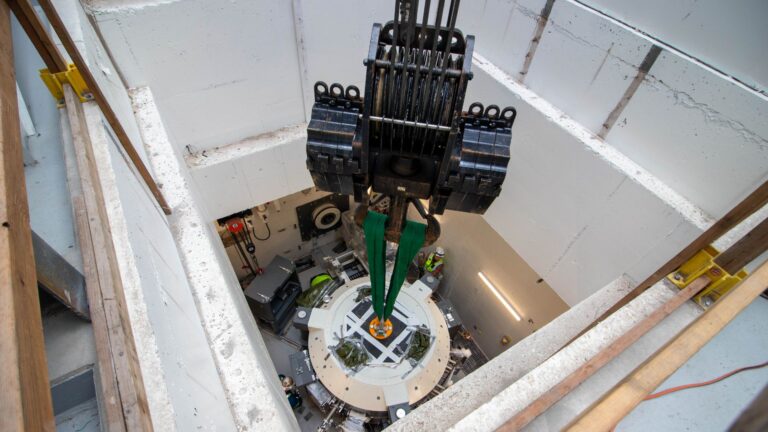
At Nemours Children’s Health, clinicians describe how an advanced delivery unit was designed to keep mothers physically close to high‑risk infants—supporting bonding while strengthening clinical coordination. Leaders from MD Anderson Cancer Center share the challenge of activating a Therapeutic Radiation Center well ahead of a larger hospital build, and how meticulous planning enabled safe, uninterrupted care amid ongoing construction.
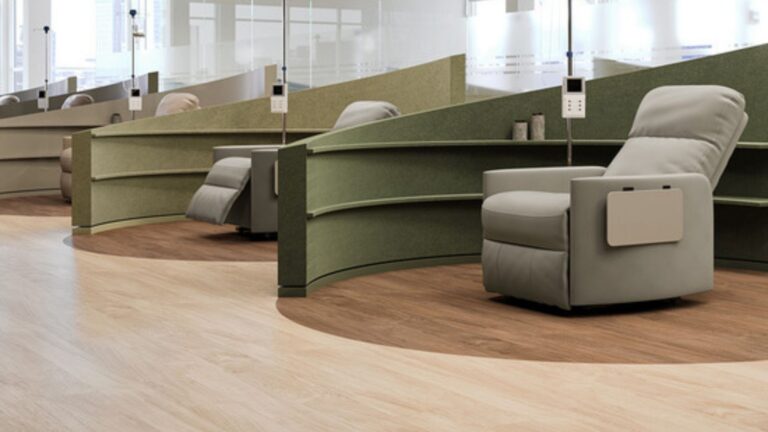
Behavioral health sessions further reinforce how deeply the built environment affects dignity, safety and workforce resilience. Providers and operators discuss how thoughtful design choices — such as staff respite spaces, circulation clarity, and normalized environments — can reduce stress, support care teams and improve outcomes for vulnerable patient populations.
Why This Ongoing Dialogue Matters
What continues to resonate through every advisory board meeting is a shared belief that healthcare facilities education must stay grounded in reality. This is not the moment for polished success stories or one‑size‑fits‑all solutions. It is the moment for honest dialogue, shared lessons and applied insight.
By convening its advisory board year-round and anchoring the conference program in owner‑led case studies, HFSE reflects how this industry truly works: collaboratively, across disciplines and always in service of care delivery.
At the end of the day, buildings are not just projects. They are places where care happens, staff show up day after day and patients experience some of the most important moments of their lives. When we learn directly from those who operate these facilities, the entire industry moves forward together.
Get more weekly reports and timely updates by subscribing for free at hconews.com/subscribe.
The post Learning From the Field: Why Owner‑Led Case Studies Matter More Than Ever in Healthcare Facilities appeared first on HCO News.
The post Learning From the Field: Why Owner‑Led Case Studies Matter More Than Ever in Healthcare Facilities appeared first on HCO News.
Apa Reaksi Anda?
 Suka
0
Suka
0
 Kurang Suka
0
Kurang Suka
0
 Setuju
0
Setuju
0
 Tidak Setuju
0
Tidak Setuju
0
 Bagus
0
Bagus
0
 Berguna
0
Berguna
0
 Hebat
0
Hebat
0