
































































Constructing for Care Beyond Hospital Walls: Opportunities Within the Growing Demand for Outpatient Services
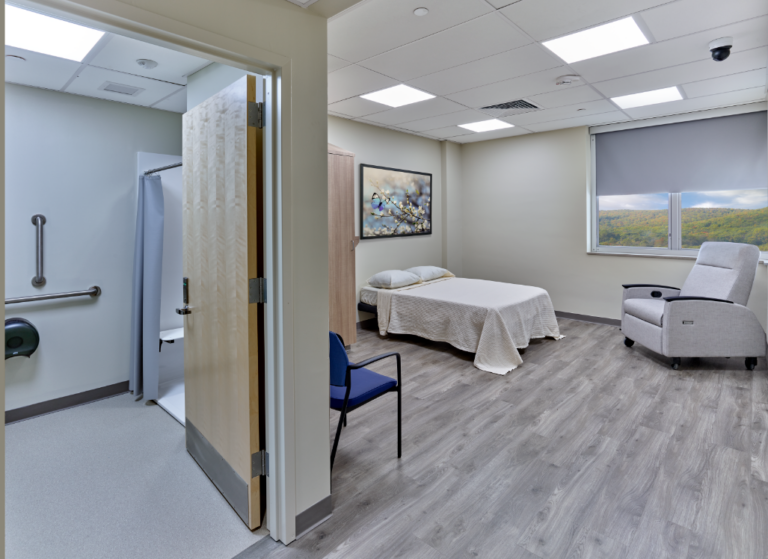
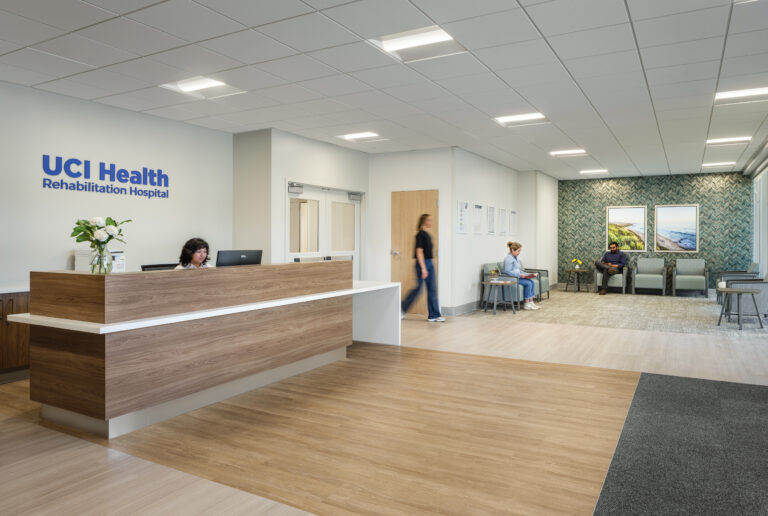
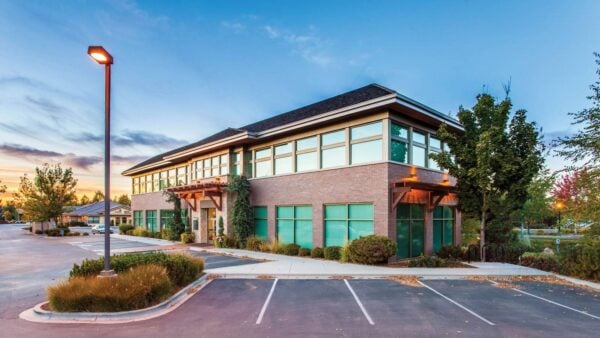
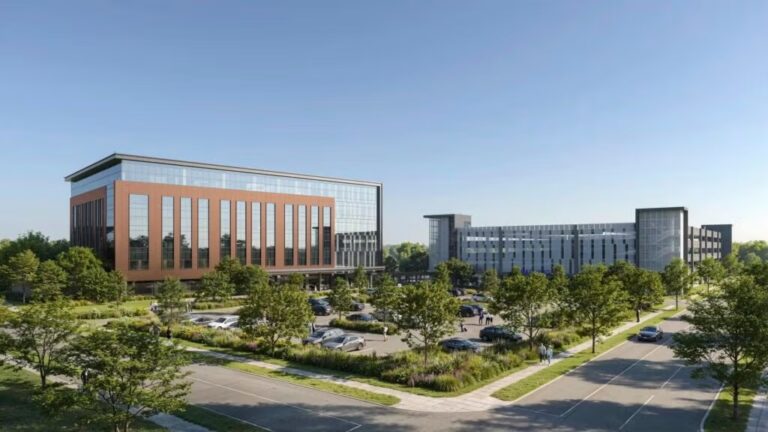
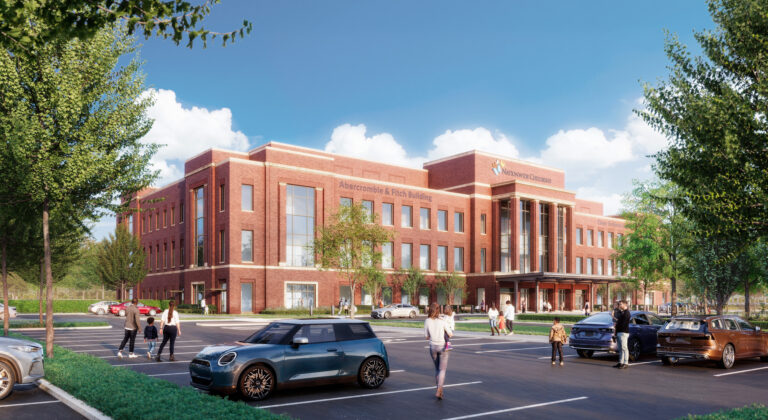
IMC Construction has a longstanding partnership with St. Luke’s University Health Network. | Photo Credit (all): Courtesy of IMC
By Larry Warner
The future of healthcare is increasingly being built beyond the traditional hospital campus.
As healthcare systems adapt to changing demographics, rapid advances in technology and evolving patient expectations, the demand for outpatient care continues to rise. From ambulatory surgery centers and imaging facilities to urgent-care clinics and specialty practices, patients today are seeking convenient, community-based care that delivers the same quality outcomes closer to home — and often at a lower cost.
Industry leaders forecast a 20% increase in outpatient-care volume over the next 10 years. This shift is already underway — in 2026 alone, outpatient revenue per calendar day rose 28% compared to the same period in 2023. As more procedures and services relocate to outpatient settings, healthcare organizations are expanding their footprints beyond hospital walls — creating new opportunities for construction partners.
A Strategic Opportunity for Construction Firms
As health systems continue expanding their outpatient networks to meet this rising demand, construction firms best positioned to serve as trusted partners are those that have experience building facilities and campuses through a variety of delivery models including new construction, renovation and adaptive reuse projects.
These projects often involve accelerated schedules and complex existing structures — and require mechanical, electrical and plumbing (MEP) system upgrades, along with necessary site infrastructure improvements to support a healthcare facility. Successfully navigating these challenges requires a high level of planning and technical expertise, giving experienced firms a distinct competitive advantage.
Choosing the Right Delivery Model
When considering a new outpatient-care site, healthcare systems must first evaluate their delivery strategy based on cost, operational needs and long-term site flexibility. During predevelopment and pre-construction, healthcare providers often engage development firms that are aligned with an experienced general contractor to assess existing building conditions, infrastructure capacity, site constraints and future growth requirements.
This pre-assessment allows healthcare organizations to determine whether a new ground-up facility provides greater operational efficiency and long-term value, or if an existing facility can be repurposed to accelerate delivery and reduce costs.
Reuse, Repurposing and Retrofitting
To meet the growing demand for outpatient services, healthcare organizations are increasingly pursuing adaptive reuse as a delivery model, where existing facilities are retrofitted into ambulatory hubs. This approach has been successful with a variety of original structures, from retail locations to existing medical facilities in need of updates.
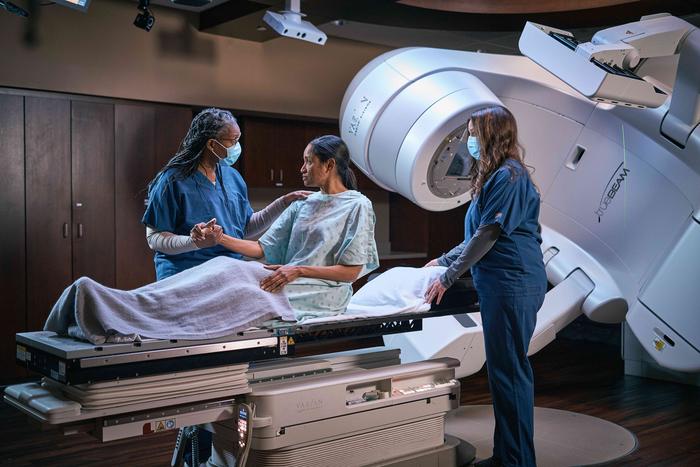
IMC Construction’s expertise in healthcare construction has resulted in a longstanding partnership with St. Luke’s University Health Network. The company was recently brought on to lead an ambitious outpatient project involving the phased renovation of an existing MRI suite to accommodate a state-of-the-art CT scanner. This transformation required a full demolition and reconfiguration of the space, incorporating upgraded MEP systems, a new air handling unit, and high-end finishes to enhance both functionality and patient experience.
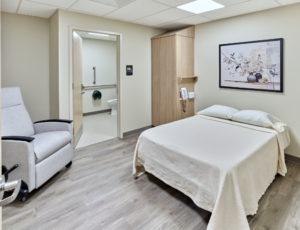
Beyond the CT scan suite, the IMC Construction team executed key facility upgrades, including the creation of a new Sleep Study Center and the addition of modernized Infusion Bays in separate areas of the facility. These improvements were designed to modernize critical healthcare services while keeping clinical workflows and patient care top of mind.
Building the Next Generation of Outpatient Facilities
Construction partners play a critical role in working with healthcare organizations to ensure facilities are built to support current operations and future growth.
Healthcare organizations today are balancing many priorities when developing new outpatient facilities. These sites often house imaging services, specialty care, surgery, diagnostics and rehabilitation in a single location. On top of that, providers are also aiming to ensure that new facilities are adaptable for continued expansion of services.
Many modern outpatient facilities are being built around tools that support both clinical care and operational performance — digital healthcare delivery, telehealth capabilities, advanced imaging, electronic health record integration and remote monitoring being among the top priorities. At the same time, design priorities are continuing to evolve. Hospitality-inspired environments, enhanced wayfinding, comfortable waiting areas and efficient patient flow have become essential considerations. If done right, outpatient facilities should not only make care more convenient and accessible but improve patient satisfaction and enhance the overall patient experience.
Changes to the Outpatient Construction Landscape
Several broader market trends are shaping how healthcare organizations and their construction partners approach outpatient expansion. Amidst an intensely challenging time in healthcare, providers are seeking new ways to reduce operating costs, improve efficiency and optimize their portfolios. As a result, IMC Construction leaders are seeing a growing demand for adaptive reuse projects, as well as the consolidation of multiple specialties into single-destination care facilities that can better meet patients’ needs. The company has also observed a greater emphasis on technology integration to allow healthcare staff access to the same systems and support regardless of where care is delivered.
Regulatory changes continue to shape project planning as well. In 2025, the New Jersey Department of Health proposed revisions affecting outpatient and integrated care facility licensing standards, including efforts to consolidate and modernize regulations governing outpatient physical health, mental health and substance-use treatment facilities.
These changes are pushing contractors to take more proactive measures, including engaging regulatory consultants earlier in project planning, emphasizing design-assist and pre-construction services to reduce approval risks, and investing in prefabrication and modular construction methods to accelerate schedules and minimize disruption to patient care.
Collaboration at the Ground Level
While delivery models, technology and policy may continue to evolve, successful outpatient facility construction projects still depend on one constant: collaboration.
The most effective healthcare construction projects begin with early engagement among providers, clinicians, facility leaders, designers and builders. Engaging stakeholders early and often is a critical part of the client-first approach at IMC Construction. Aligning operational goals, budget expectations, schedule requirements and future growth plans during pre-construction drives clarity and certainty throughout the project lifecycle. Most importantly, it establishes trust and aligns all parties around a shared objective: delivering healthcare environments that support clinicians, expand access to critical services and improve health outcomes of the communities they serve. That is what will ultimately drive long-term partnerships.
As healthcare increasingly moves beyond the traditional hospital campus, construction partners will play a critical role in shaping the next generation of built care environments.
Larry Warner is a Contract Manager for IMC Construction.
This article was originally published in the 2026 Design & Construction edition of Healthcare Construction + Operations News.
The post Constructing for Care Beyond Hospital Walls: Opportunities Within the Growing Demand for Outpatient Services appeared first on HCO News.
The post Constructing for Care Beyond Hospital Walls: Opportunities Within the Growing Demand for Outpatient Services appeared first on HCO News.
Apa Reaksi Anda?
 Suka
0
 Kurang Suka
0
 Setuju
0
 Tidak Setuju
0
 Bagus
0
 Berguna
0
 Hebat
0