































%20and%20Batch%20Production%20Records%20(BPR).png)














Dental technology’s biggest existential threats – and why it always survives
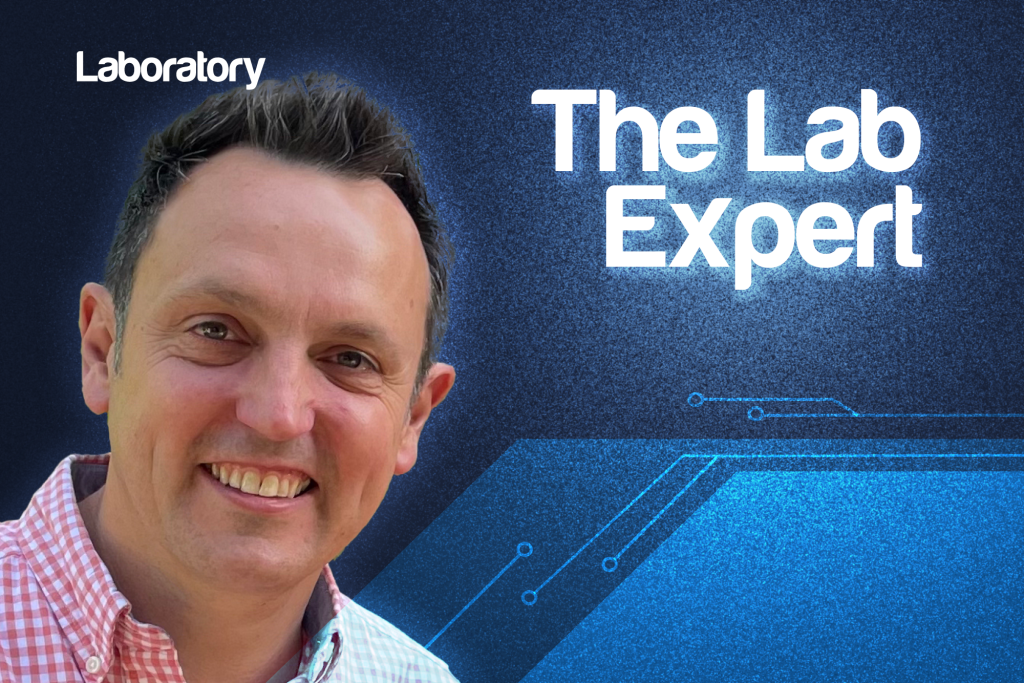
Ashley Byrne reflects on 20 years of surviving the threats that were supposed to kill dental technology – and why the best is still to come.
Twenty years. Two decades of early mornings, late nights, difficult conversations, and genuinely incredible moments. It’s a milestone I’m proud of – but more than anything, it’s made me reflect on just how many times someone told me we were finished. And I mean that quite literally.
The threats that never came
Cast your mind back. Overseas laboratories were going to wipe us out. Why would any dentist pay UK prices when they could send work abroad for a fraction of the cost? I heard it constantly. It kept a lot of lab owners awake at night, myself included.
Then came digital dentistry. Intraoral scanners, CAD/CAM, milling machines – the narrative shifted. Why would labs survive when dentists could design and mill restorations chairside? The technology was supposed to make us redundant overnight.
But here we are. Still going. Not just surviving, either – genuinely thriving.
Why the threats never materialised
Overseas labs took some work. I won’t pretend they didn’t. But the quality issues, the communication barriers, the turnaround times and the increasing demand from patients for British-made, high-quality restorations brought a lot of that work back. Patients started asking questions. Dentists started caring about the answers.
Digital dentistry didn’t kill labs – it transformed them. Yes, some of the simpler, more commoditised work moved elsewhere. But labs that evolved with the technology found themselves doing more complex, more interesting, and frankly more rewarding work than ever before. Today, 90% of the work coming into my lab arrives as an IOS file. That’s not a threat. That’s an opportunity I’m grateful for every single day.
Chairside milling? It has its place. Single-unit same-day restorations in certain clinical situations – absolutely. But there is a ceiling to what chairside can achieve, and above that ceiling is where skilled technicians live. Complex full-mouth rehabilitations, implant-supported restorations, high-end aesthetics – no milling unit in a practice corridor is replacing that.
So why do we keep panicking?
Honestly? Because fear sells. A headline that says ‘dental labs are evolving and adapting well’ doesn’t get clicks. ‘AI will replace dental technicians’ absolutely does.
I understand the anxiety. I’ve felt it myself. When you’ve invested years into learning a craft, built a team, a client base, a reputation – the idea that it could all be disrupted is genuinely frightening. That fear is human and it’s valid. But it becomes dangerous when it stops you from moving.
The labs that struggled through those so-called existential threats weren’t the ones who faced the most disruption. They were the ones who stood still waiting for the worst to happen.
What’s coming next
I’m not going to pretend the landscape isn’t changing again – because it is, faster than ever.
The newest shift is a genuinely impressive one. Tech-driven lab models are emerging that offer slick digital interfaces, free scanner placements, automated crown production, and yes – technical advice and clinical support too. These aren’t corner-cutting operations. Some of them are very good at what they do, and they’re making it easier than ever for a dentist to access consistent, efficient restorative work. I say that with no sarcasm. We should respect what these companies have built.
But here’s the question it forces every traditional lab to ask: if someone else is offering all of that, what are you offering?
Think outside the box
This is where I think the real opportunity lies – and it requires us to be honest about whether we’re genuinely adding value, or just assuming our relationships will carry us through. The labs that will thrive aren’t the ones who simply match what these new models offer. They’re the ones who go further. The ones who embed themselves so deeply into a practice’s clinical workflow that the relationship becomes genuinely irreplaceable.
What does that look like in practice? It means understanding a dentist’s patient base well enough to anticipate problems before they arise. It means being proactive about scan quality, not just reactive to a bad impression. It means helping to reduce chair time – fewer adjustments, fewer second appointments, better-fitting restorations first time. It means being a clinical partner, not just a manufacturing service.
It might also mean offering things that fall completely outside the traditional lab model. Training days. Workflow consultations. Being present in the practice, not just at the end of a courier run.
AI-assisted design, automation, advanced materials – we should be embracing all of it too. The best version of our industry isn’t us versus the new models. It’s us using the same tools, while offering a depth of partnership that a standardised platform simply isn’t designed to provide.
I’ve heard the ‘this will finish us’ story before, and I know how it ends. The labs that invest in thinking creatively, that build genuine clinical partnerships, that ask ‘what else can we do for this practice?’ – those are the ones that will look back at this moment the way I look back at the ‘overseas labs will kill you’ era. With a quiet smile.
What I’d say to any technician reading this
Your skills matter enormously. But in the current climate, technical skill alone isn’t enough. You need to be curious, creative, and genuinely invested in the success of the practices you work with. Get closer to your clients. Understand their challenges. Don’t wait for the phone to ring – pick it up first. Find out where they’re losing time, where cases are going wrong, and work out how you can help fix that. Go to shows. Try new things. Talk to people who are doing it differently. The best ideas often come from outside your comfort zone. And stop waiting for the industry to collapse. It won’t.
Twenty years in, I’m more optimistic about the future of dental technology than I have ever been. The work is better, the science is better, and the people coming through are extraordinary.
Change isn’t the enemy. Staying still is.
Follow Dentistry.co.uk on Instagram to keep up with the latest news and trends.
Apa Reaksi Anda?
 Suka
0
Suka
0
 Kurang Suka
0
Kurang Suka
0
 Setuju
0
Setuju
0
 Tidak Setuju
0
Tidak Setuju
0
 Bagus
0
Bagus
0
 Berguna
0
Berguna
0
 Hebat
0
Hebat
0