













































%20and%20Batch%20Production%20Records%20(BPR).png)















FDA Advisory Committee to weigh whether to expand compounding of unapproved peptides

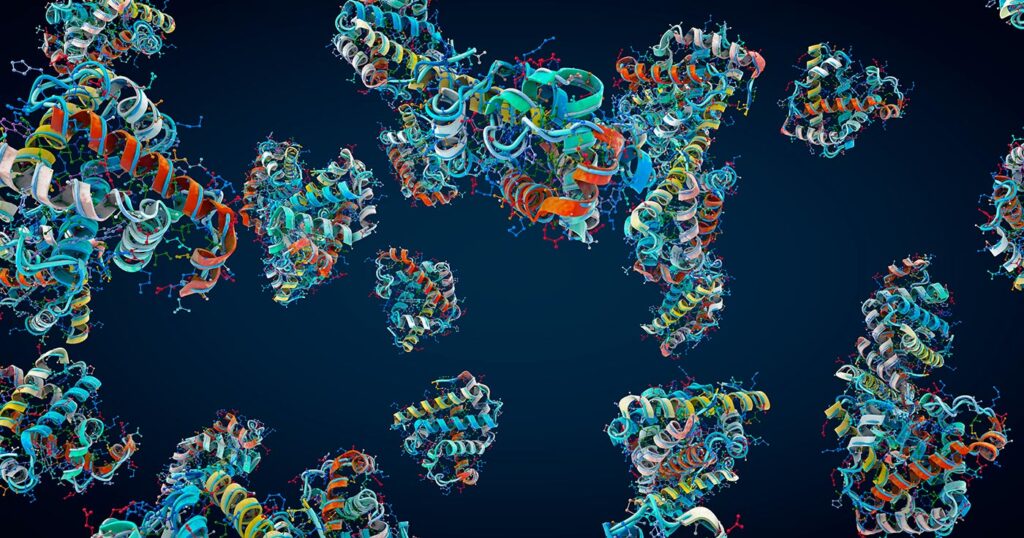
The FDA’s Pharmacy Compounding Advisory Committee (PCAC) will consider this week whether seven unapproved peptides should be added to the Section 503A Bulk Drug Substances List, a decision that could dramatically expand compounding of these unapproved substances.
Why It Matters
Advisory committees provide non-binding recommendations to the FDA for consideration. The FDA then makes an independent decision. A positive decision from the FDA would set a dangerous precedent, allowing compounded drugs that have not met the FDA’s gold standard for safety and effectiveness to flood America’s pharmaceutical supply chain, and have far-reaching implications for patient safety, biomedical innovation, and public trust.
Patient Safety
The FDA’s mission is to protect the health and safety of Americans. None of the seven peptides have been approved by the FDA, and none have established clinical evidence demonstrating they are safe or effective. Several have unresolved safety concerns, and experts at the FDA have recommended against expanding access to these seven peptides.
Further elevating safety concerns is the reality that compounding pharmacies are not subject to the same manufacturing standards or adverse reporting requirements as brand and generic manufacturers. Adding these substances to the Bulk Drug Substances List would do an end-run around long-standing evidence standards meant to protect the quality, safety and effectiveness of America’s medicine cabinet.
Innovation
Developing new treatments depends on a predictable, science-based regulatory pathway. The FDA approval process is essential to innovators who invest in the vital research, clinical development, and manufacturing controls necessary to ensure medicines are brought safely and effectively to the patients in need. Allowing unapproved active ingredients to enter the U.S. market through compounding would usurp the necessary oversight to protect patients.
Over time, an unregulated pathway would weaken incentives that have sustained American leadership in biomedical innovation and could easily be exploited as a perceived signal of regulatory legitimacy. This issue is not limited to peptides. The outcome has implications for every innovative research company developing new medicines and for patients who depend on them.
Public Trust
The decision will also shape confidence in the FDA’s evidence-based regulatory process. Adding these peptides to the list would blur the critical distinction between FDA-approved medicines and compounded products made with unapproved active ingredients. Blurring those lines will sow confusion and distrust about which medicines have met the FDA’s gold standard for safety, effectiveness and quality—and which products haven’t.
Also eroding public trust are apparent conflicts of interest surrounding members of the advisory committee. Six of the 19 PCAC members evaluating the peptide proposal reportedly have professional or financial ties to businesses that market or promote peptides under consideration. This is highly unusual and raises questions about potential self-dealing and the importance of transparency and public confidence in the advisory process.
Advocates Weigh In
Stakeholders across the pharmaceutical supply chain—including BIO—are urging the FDA’s compounding advisory committee to recommend against adding these unapproved substances to the 503A Bulks List, warning it would “risk patient safety, weaken incentives for FDA approval, create uncertainty throughout the legitimate pharmaceutical supply chain, and foster the expansion of an unregulated market …”
BIO’s full comments can be found here.
What’s Next
PCAC will meet July 23-24 to review the nominated peptides and make recommendations to the FDA, which ultimately has the final say on whether they are added to the 503A Bulks List. Advocates who want to protect patient safety, public trust and future innovation will be watching closely.
The post FDA Advisory Committee to weigh whether to expand compounding of unapproved peptides appeared first on Bio.News.
Apa Reaksi Anda?
 Suka
0
Suka
0
 Kurang Suka
0
Kurang Suka
0
 Setuju
0
Setuju
0
 Tidak Setuju
0
Tidak Setuju
0
 Bagus
0
Bagus
0
 Berguna
0
Berguna
0
 Hebat
0
Hebat
0