















































%20and%20Batch%20Production%20Records%20(BPR).png)















From discovery to care: Advancing precision health for children and youth

HN Summary
• Holland Bloorview is
advancing precision health for children and youth, moving beyond diagnosis to personalized care based on biology, environment, and lived experience.
• Researchers are leveraging genomics, AI, and large datasets to better match interventions, therapies, and supports to each child’s unique needs.
• National collaborations and clinical trials are helping translate research into real-world solutions, improving outcomes for children with neurodevelopmental differences and disabilities.
Children and youth with neurodevelopmental differences, brain injuries and other childhood-onset disabilities can have different needs and experience very different outcomes, even when they share the same diagnosis.
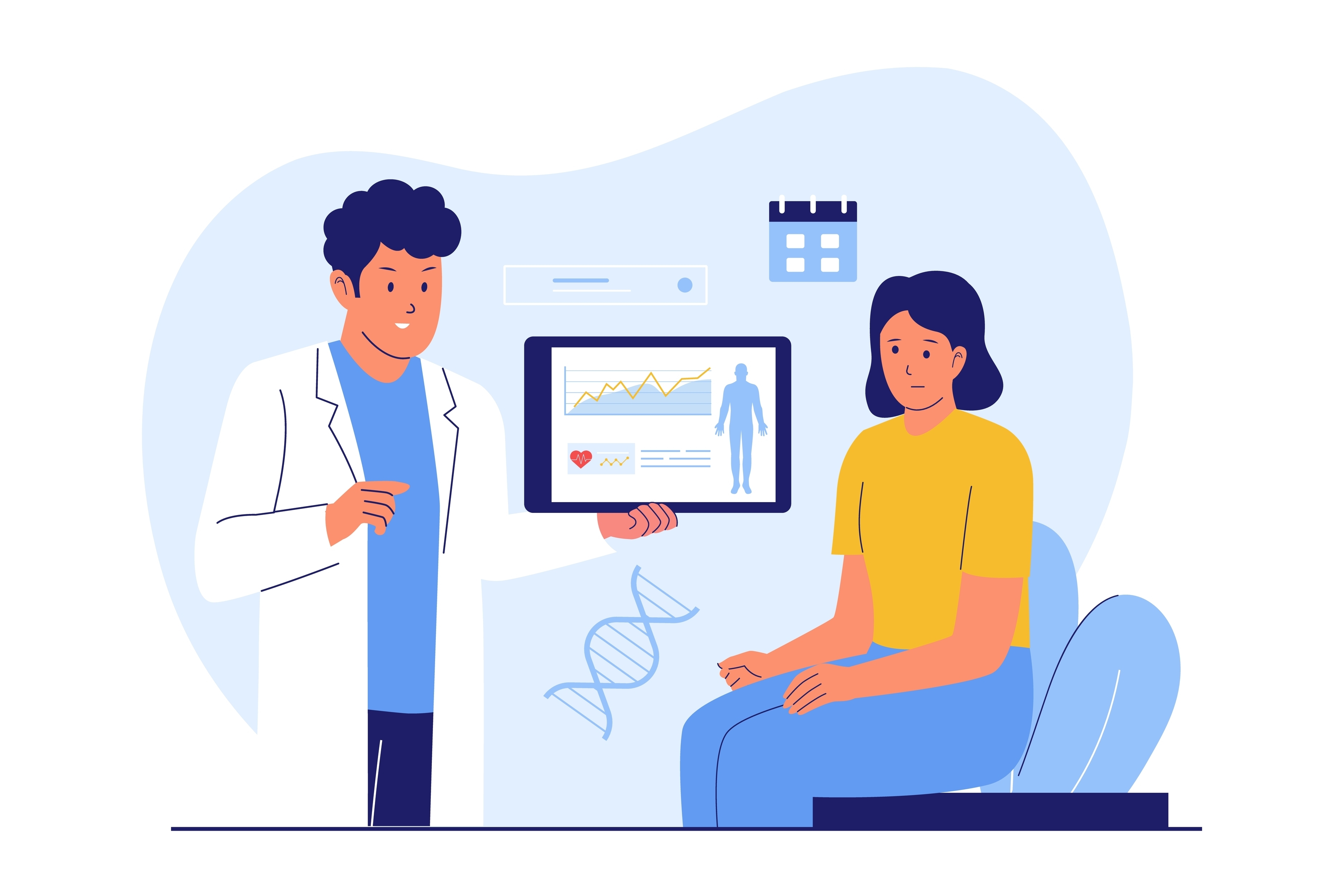
Increasingly, researchers and clinicians are recognizing that more personalized approaches to care may better reflect the biological, clinical and lived-experience factors that shape health and well-being. This is called precision health.
At the Bloorview Research Institute (BRI), Holland Bloorview Kids Rehabilitation Hospital (Holland Bloorview), researchers are advancing precision health approaches through genomics, data science, rehabilitation research and individualized models of care.
Precision health at BRI
According to BRI’s 2023-2030 strategic priorities, precision health is “a proactive and personalized approach to care where interventions, services and accommodations are informed by each individual’s biology and environment, including their genetics, neurobiology, clinical presentation and sociodemographic context.”
Rather than focusing on diagnosis alone, researchers at BRI are looking beyond labels to better understand the variability within and across individuals to support more personalized interventions and supports.
“It is not always the diagnostic labels that will help us understand what interventions, therapies and services one may mostly benefit from … but their individual characteristics,” says Dr. Evdokia Anagnostou, vice president of research at Holland Bloorview and director of BRI.
Using genomics and AI to support personalized approaches
In 2025, Holland Bloorview joined the Canadian Precision Health Initiative (CPHI), a national genomics effort supported by Genome Canada that aims to sequence 100,000 genomes representing the diversity of Canada’s population.
Through this initiative, Holland Bloorview and collaborators are working to create one of Canada’s largest genomic datasets focused on childhood-onset disabilities including neurodevelopmental differences, mental conditions, brain injury.
Researchers at BRI are also exploring how AI and advanced analytics may support more personalized approaches to care and intervention.
Looking beyond genetics alone
At BRI, precision health research extends beyond genomics alone. Researchers are examining how biology intersects with behaviour, lived experience and socio-environmental factors to better understand which interventions and supports may work best for different children and youth.
For example, researchers at BRI are also exploring how AI and advanced analytics may support more personalized approaches to care and intervention.
Leveraging the Province of Ontario Neurodevelopmental Disorders (POND) Network, researchers are using research and clinical data to develop personalized medical interventions for neurodiverse children and youth. Researchers including Dr. Azadeh Kushki, senior scientist and associate chief of data science and Canada Research Chair (Tier II) in Neurodiversity and Personalized Health, and Dr. Danielle Baribeau, clinician scientist and psychiatrist, are exploring how AI-informed approaches may support more personalized mental health care for neurodivergent children and youth. This includes exploring how data-informed approaches may support medication decision-making.
“Combining our large datasets with advanced analytics, we are working on moving from one-size-fits-all approaches to care that is personalized to the uniqueness of each child.” says Dr. Kushki.
This work is also influencing rehabilitation research and clinical trial design.
Holland Bloorview is a lead site within the Kids and Beyond Neurodevelopmental Trials Network (KINDtrials), a national clinical trials network bringing together researchers, families, advocacy organizations and industry partners to advance therapies and supports for individuals with neurodevelopmental conditions and brain injury.
“KINDtrials was created to speed up the path from discovery to solutions that can make a meaningful difference in people’s lives,” says Dr. Anagnostou.
Researchers at BRI are also developing personalized rehabilitation technologies and interventions. For example, Dr. Elaine Biddiss, senior scientist at BRI, and her team are developing personalized, video game-based motor therapies for children with movement challenges that can be used in homes and clinical settings.
Building more personalized models of care
As health systems increasingly adopt data-driven and personalized approaches to care, researchers say it is important that children and youth with disabilities and developmental differences are represented in precision health research.
Through initiatives spanning genomics, brain imaging, physical and mental health insights, rehabilitation research and clinical trials, Holland Bloorview is helping lead and convene researchers, clinicians, health-system partners, families and communities around more personalized approaches to care. Together, these efforts aim to improve health and well-being outcomes for children and youth with disabilities and developmental differences.
By Priyanka Shah
By Priyanka Shah, Manager, Research Communications, Bloorview Research Institute, Holland Bloorview Kids Rehabilitation Hospital.
The post From discovery to care: Advancing precision health for children and youth appeared first on Hospital News.
Apa Reaksi Anda?
 Suka
0
Suka
0
 Kurang Suka
0
Kurang Suka
0
 Setuju
0
Setuju
0
 Tidak Setuju
0
Tidak Setuju
0
 Bagus
0
Bagus
0
 Berguna
0
Berguna
0
 Hebat
0
Hebat
0







