













































%20and%20Batch%20Production%20Records%20(BPR).png)















Higher BMI and Wise Pattern Linked to Increased Minor Complications in Breast Reduction Surgery: Study

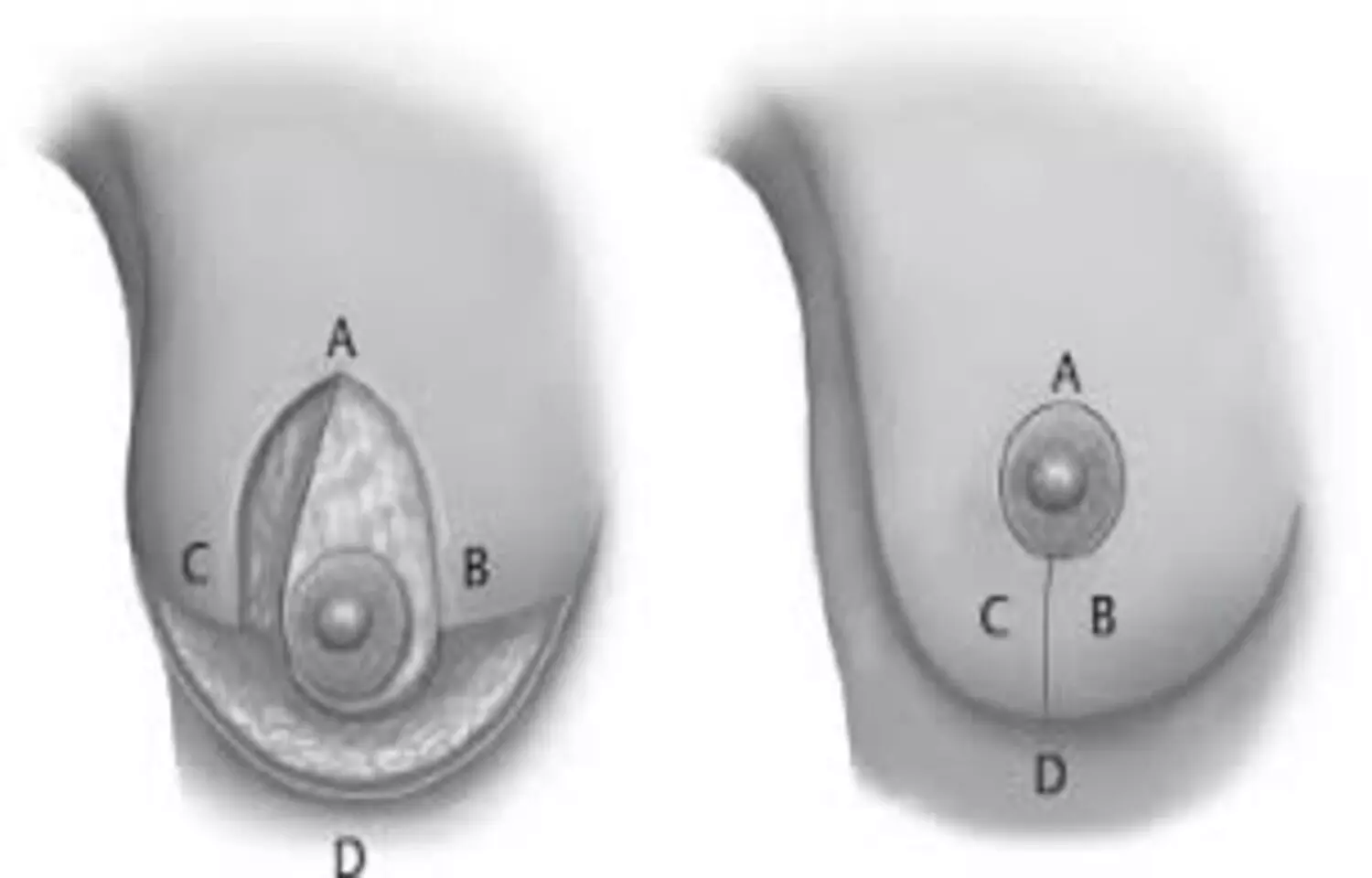
Researchers have found in a new study that higher BMI, larger tissue resection weights, and the Wise Pattern Skin Resection were associated with increased minor complications and delayed wound healing in Breast Reduction Surgery. Therefore careful patient selection and preoperative BMI optimization are important when assessing surgical candidacy.
Nipple- and skin-sparing mastectomies (NSSMs) are increasingly performed for both therapeutic and prophylactic indications. However, postoperative complications remain a relevant concern, as wound-related complications and compromised skin flap viability can result in potential reconstructive failure. A retrospective review was conducted including all women who underwent unilateral or bilateral NSSMs, either prophylactic or therapeutic, between 2018 and 2025. Demographics, comorbidities, tobacco use, body mass index (BMI), breast dimensions, surgical technique, operative time, hospital stay, resection weight, and complications were analyzed.
Results: Three hundred and two patients were included. The mean age was 48.0 years, and the mean BMI was 26.6 kg/m². Wise pattern (69.3%) with superior pedicle (52.7%) was the most frequently performed technique. Minor complications occurred in 52.4% of the patients, mostly superficial wound dehiscence (82.2%). Forty-six women (15.6%) required >2 months to achieve wound healing. The major complication rate was 14.8%. On univariate analysis, BMI, resection weight, and skin resection pattern were associated with minor complications (P=0.0001, 0.001, and 0.0001) and delayed healing >2 months (P=0.001, 0.001, and 0.0001). Age showed no association with minor or major complications (P=0.533 and 0.376). On multivariate analysis, BMI and skin resection pattern were significantly associated with delayed wound healing >2 months (P=0.047 and 0.011), whereas resection weight and skin pattern predicted minor complications (P=0.001 and 0.005).
Higher BMI, larger resection weights, and skin resection pattern, particularly Wise pattern, were associated with an increased risk of minor complications and delayed wound healing. Careful patient selection, the preoperative optimization of BMI, and weighing risks and benefits are crucial when determining surgical candidacy.
Reference:
Espín J, Jorge C, Gómez J. Impact of body mass index, resection weight, skin pattern, and age on postoperative complications in nipple- and skin-sparing mastectomies. Journal of Plastic, Reconstructive & Aesthetic Surgery, 2026; 115, 375-387
Keywords:
Higher BMI, Wise, Pattern, Linked, Increased, Minor, Complications, Breast Reduction, Surgery,Study, Breast reconstruction, Nipple- and skin-sparing mastectomies, Complications, Body mass index, Breast resection weight, Skin pattern
Apa Reaksi Anda?
 Suka
0
Suka
0
 Kurang Suka
0
Kurang Suka
0
 Setuju
0
Setuju
0
 Tidak Setuju
0
Tidak Setuju
0
 Bagus
0
Bagus
0
 Berguna
0
Berguna
0
 Hebat
0
Hebat
0