






















































%20and%20Batch%20Production%20Records%20(BPR).png)

















Hospitalist-led procedure service: A model for community hospitals
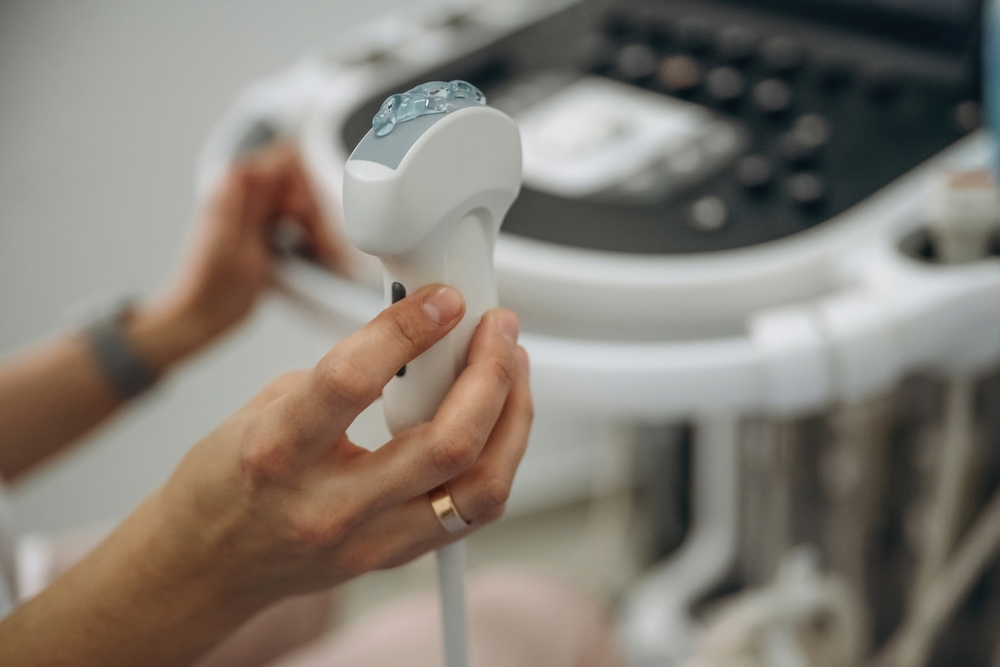
A hospitalist-led procedure service in a community-hospital setting delivered procedures to inpatients faster than specialist-led teams, reducing length of stay without hurting safety—or breaking the bank.
A study in the Journal of Hospital Medicine looked at a hospitalist-led procedure service in two community hospitals in Grand Rapids, Mich. Researchers examined results among patients who received ultrasound-guided paracentesis and thoracentesis between April 2021 and May 2023, comparing procedures performed by an interventional radiology-led team and a hospitalist-led team.
The study found not only that the hospitalist-led team cut delays in the procedures, but they uncovered data about how delays affected length of stay. Here’s an overview of the findings and the effectiveness of the hospitalist-led procedure service in a community hospital setting.
How the service works
Before launching the hospitalist-led procedure service, the two hospitals in the study trained 13 hospitalists over 16 weeks to perform ultrasound-guided paracentesis and thoracentesis. Each hospital is now staffed by a single hospitalist credentialed in procedures who carries roughly one-half of a standard inpatient census while performing procedures. Those hospitalists perform most of the two procedures.
Nearly one-third of the hospitalists on the procedure service reported they had no ultrasound experience. About 40% had ultrasound training or procedural experience during residency, but no experience as attendings.
Length-of-stay reductions
The JHM study found that procedures performed by the hospitalist-led team were associated with a LOS reduction of nearly one day, or 14.8%. The study also found that the delay between when services were ordered and completed dropped from about 34 hours for the specialist-led procedure service to about 13 hours for the hospitalist-led team.
After looking at the data, researchers concluded that the length-of-stay reduction had more to do with the timing of procedures than who was performing the procedures. For every hour between when a procedure was ordered and performed, for example, the data showed a 0.36% increase in LOS.
That meant a 24-hour delay in performing a procedure was associated with an 8.6% increase in LOS. Because the hospitalist-led procedure service was able to reduce turnaround times by about 21 hours, it was able to shave off about one day of LOS in those patients.
The JHM study identified a key factor that likely increased the delay of procedures performed by the interventional radiology-led team: The specialists used a stricter policy for anticoagulation washout for patients on anticoagulant therapies. Researchers said that “clinical holds” created by those strict policies likely created a bottleneck in procedures among the specialist-led team.
The hospitalist-led service, by comparison, used anticoagulation washout guidelines from the Society of Interventional Radiology to determine timing of procedures.
Patient safety and complications
Researchers found that procedures performed by the hospitalist-led team were just as safe as those performed by interventional radiologists. Complication rates were low in both cohorts, the study found, and “consistent with published norms.”
Researchers looked at procedural complications including pneumothorax, major bleeding (defined as the need for red blood cell transfusion within 24 hours of the procedure), transfusion of fresh frozen plasma or platelets, ICU transfer within 24 hours after the procedure, and mortality both at 48 hours and during hospitalization.
Financial impact of a hospitalist-led procedure service
Most previous studies have looked at hospitalist-led procedure services in academic centers staffed by hospitalists with previous experience in procedures. The JHM study, by comparison, looked at a new service with freshly-trained hospitalists working at two community hospitals.
The study concluded that the hospitalist-led unit may be financially feasible for community hospitals because the hospitalists performing procedures retain a half-time patient load. That model could be ideal for community hospitals that don’t have enough demand to justify a full-time proceduralist but have too much demand for a subspecialist team.
Researchers concluded that for community hospitals that can’t afford dedicated proceduralists, “training existing hospitalists to perform procedures and round on hospitalized patients may be the most scalable and cost-effective solution.”
The post Hospitalist-led procedure service: A model for community hospitals appeared first on New Jetpack Site.
Apa Reaksi Anda?
 Suka
0
Suka
0
 Kurang Suka
0
Kurang Suka
0
 Setuju
0
Setuju
0
 Tidak Setuju
0
Tidak Setuju
0
 Bagus
0
Bagus
0
 Berguna
0
Berguna
0
 Hebat
0
Hebat
0








