
























































%20and%20Batch%20Production%20Records%20(BPR).png)
















Immune Cells Driving Alzheimer’s-Like Neurodegeneration Traced to Lymph Nodes
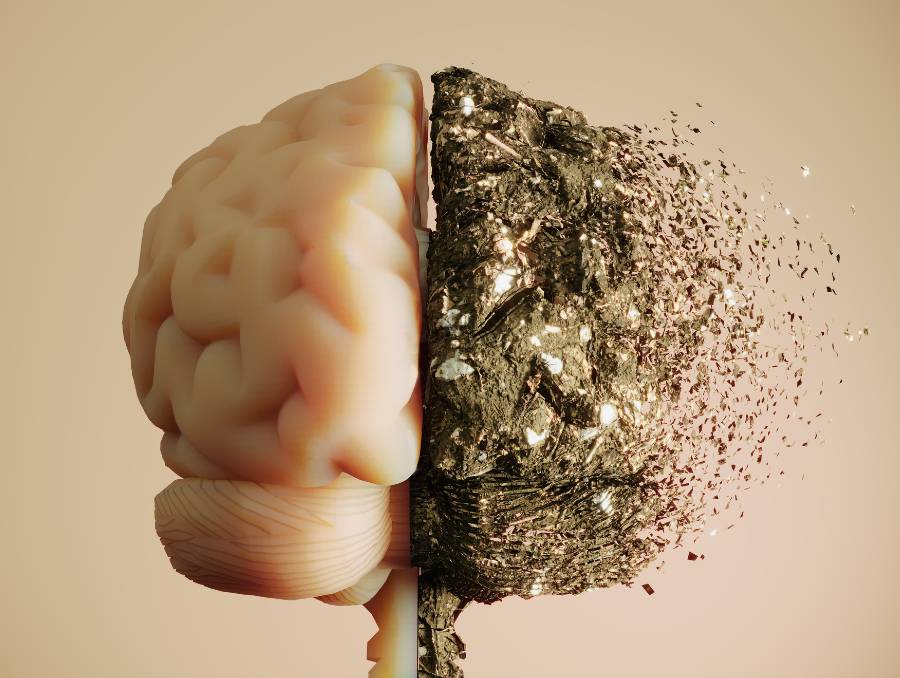
Previous studies have shown that patients with Alzheimer’s disease and related disorders have much higher levels of immune cells in their brains that appear to contribute to neurodegeneration. What was less clear was where the cells came from and how they are primed to accumulate in the brain. Now a new study, led by scientists at Washington University School of Medicine, St. Louis, may provide some answers.
According to results published in a Nature Neuroscience paper titled “Priming of CD8+ T cells by peripheral dendritic cells exacerbates tau-mediated neurodegeneration,” T cells in the brain receive their instructions from lymph nodes located outside the brain. The team also showed that they can block these instructions in order to mitigate their neurodegenerative effects. They claim that these findings highlight a new pathway that could potentially slow the progression of primary tauopathies like Alzheimer’s.
Scientists in the laboratory of Daniel Holtzman, MD, a professor in the WashU Medicine’s neurology department and the current study’s senior author, have published previously on the immune system’s role in neurodegenerative disease. In an earlier paper, they demonstrated that eliminating T cells in the brain prevented much of the neurodegenerative damage that normally occurs due to tau protein buildup in various tauopathies.
“One of the issues in developing treatments for neurological diseases is that you need to engineer your treatment so that it gets into the brain and past the blood-brain barrier, but we might not actually need to get the drugs into the central nervous system to mitigate neurodegeneration,” Holtzman said. “There are lots of ways to manipulate T cells that have been studied extensively and that are approved treatments for other diseases, but many haven’t yet been explored for neurodegenerative diseases.”
In this new study, the team set out to establish where the immune cells came from and what signals directed them to the brain. Certain T cells need dendritic cells to tell them which molecular targets to attack. Studies show that classical dendritic cells type 1 (cDC1), in the brain do not seem to interact with the T cells that appear when tau tangles have developed in the brain. In mouse models, the scientists found that eliminating dendritic cells from the lymph nodes as well as other locations in the brain that ordinarily develop tau tangles wiped out the elevated levels of T cells in the brain and the associated damage. This was true even though there was no change in levels of tau tangles in the brain.
Furthermore, the mice also retained their cognitive abilities, which suggests that halting the activity of the T cells may slow or reduce cognitive decline associated with tauopathies.
Holtzman noted that while the specific trigger causing dendritic cells to activate the T cells is not known, it is likely that tau-induced damage to brain cells releases material that moves from the brain into the lymph nodes. Once there, dendritic cells flag that material as a target for T cells to attack.
As part of their next steps, Holtzman’s team is investigating possible therapeutic implications of their work. Specifically, they are looking at whether impeding dendritic cell function in midlife, to match the onset of tau protein tangles, could be as effective as blocking it at birth, as was the case in this study. His team is also exploring ways to identify the specific signals the T cells use to target the brain.
“Until not that long ago, most people, including myself, did not think that the immune response was even involved in neurodegenerative diseases that are due to protein accumulation in the brain,” he said. “That these dendritic cells are involved in neurodegenerative disease is exciting; we’ve shown they’re important, and that they are a potential target for future therapy.”
The post Immune Cells Driving Alzheimer’s-Like Neurodegeneration Traced to Lymph Nodes appeared first on GEN - Genetic Engineering and Biotechnology News.
Apa Reaksi Anda?
 Suka
0
Suka
0
 Kurang Suka
0
Kurang Suka
0
 Setuju
0
Setuju
0
 Tidak Setuju
0
Tidak Setuju
0
 Bagus
0
Bagus
0
 Berguna
0
Berguna
0
 Hebat
0
Hebat
0