



































%20and%20Batch%20Production%20Records%20(BPR).png)
















Intravenous Iron Improves Maternal Hb in Females with Non-Anaemic Iron Deficiency During Pregnancy: The Lancet

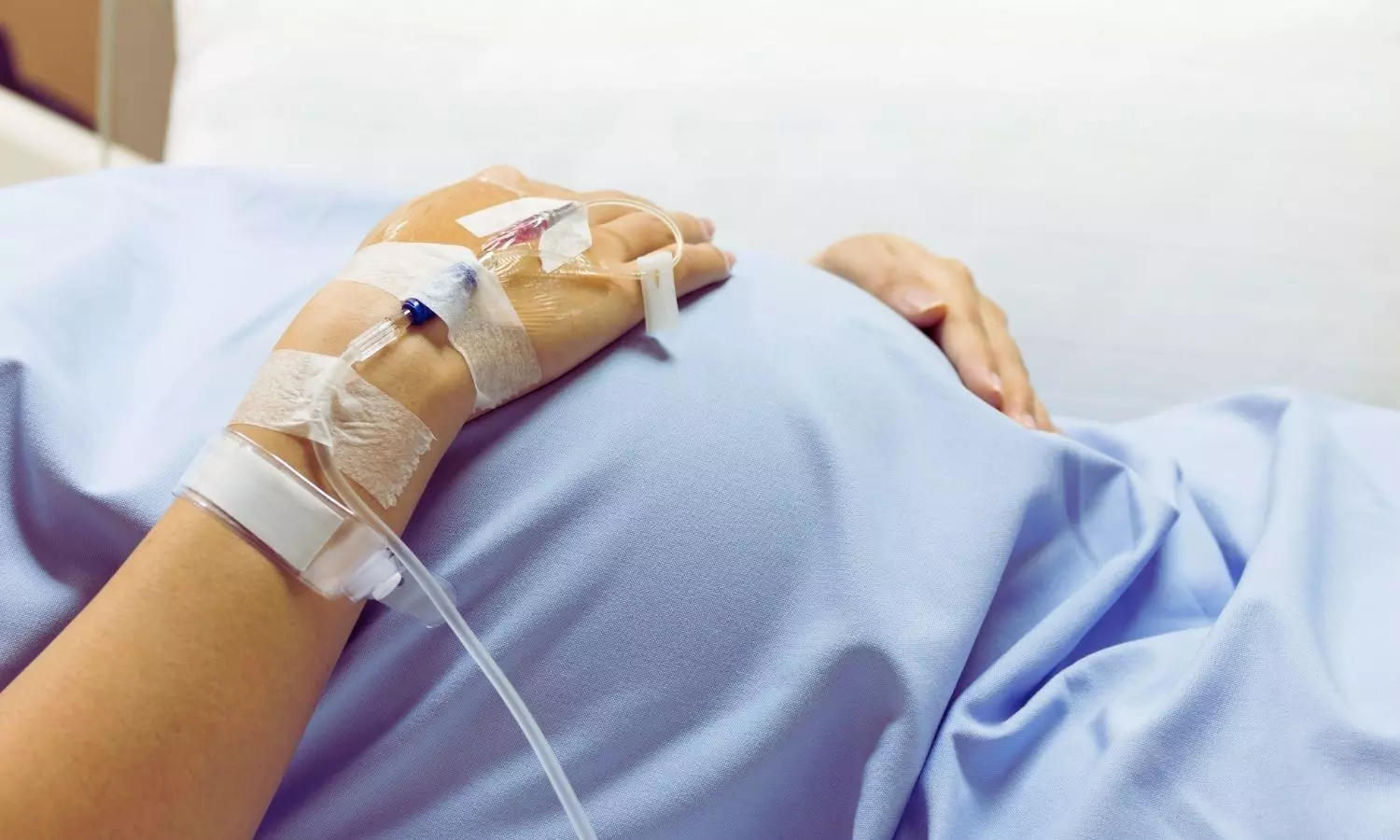
Pakistan: A multicentre randomized trial published in The Lancet Haematology shows that intravenous iron therapy significantly improves maternal haemoglobin levels before delivery in pregnant women with iron deficiency despite normal baseline haemoglobin. The findings support early ferritin screening in pregnancy and suggest that timely intravenous iron treatment may be more effective than routine oral iron prophylaxis alone for optimizing maternal iron status.
Iron deficiency is common during pregnancy and is typically managed with universal oral iron supplementation. However, many pregnant women have depleted iron stores without being anaemic, a condition referred to as non-anaemic iron deficiency. Evidence has been limited on whether intravenous iron offers additional benefit in this group compared with standard oral prophylaxis.
To address this gap, researchers led by Tayyiba Wasim from the Services Institute of Medical Sciences, Lahore, conducted a multicentre, two-arm randomized controlled trial across three teaching hospitals in Pakistan. Pregnant women aged 18 years or older with singleton pregnancies were screened at their first antenatal visit. Those with haemoglobin levels between 11 and 13 g/dL and ferritin concentrations below 30 μg/L were eligible for inclusion, while women with higher haemoglobin levels were excluded.
Participants were randomly assigned during the second trimester to receive either a single 1000 mg dose of intravenous iron in addition to routine oral iron supplementation or standard care consisting of daily 30 mg oral iron alone. Allocation was concealed, outcome assessors were blinded, and all participants were followed until delivery. The primary outcome was the change in maternal haemoglobin concentration from baseline to 36 weeks’ gestation, analysed using an intention-to-treat approach.
Between January 2020 and August 2023, 1206 women were screened, and 600 met eligibility criteria and were enrolled. Of these, 295 were assigned to the intravenous iron group and 305 to the oral iron prophylaxis group. Most participants completed follow-up, with similar rates of preterm delivery in both groups.
The key findings of the trial were as follows:
- Women who received intravenous iron had significantly higher haemoglobin levels before delivery compared with those given oral iron alone.
- Mean haemoglobin concentration reached 11.6 g/dL in the intravenous iron group versus 10.8 g/dL in the oral prophylaxis group.
- The difference in haemoglobin levels between the two groups was 0.74 g/dL, which was both statistically significant and clinically meaningful.
- No serious or life-threatening adverse events were reported in either group.
- There were no cases of anaphylaxis or cardiovascular complications, supporting the safety of intravenous iron therapy in this population.
The authors conclude that intravenous iron is an effective and safe option for improving maternal haemoglobin in pregnant women with non-anaemic iron deficiency. They highlight the value of early ferritin screening in pregnancy to identify women who may benefit from targeted intravenous iron therapy before haemoglobin levels decline.
While the trial focused on maternal haemoglobin outcomes, the researchers note that future studies should assess whether improved iron status translates into better maternal and neonatal clinical outcomes. Overall, the findings suggest that incorporating ferritin testing and selective intravenous iron treatment into antenatal care could enhance maternal health during pregnancy.
Reference:
Wasim, Tayyiba, et al. "Intravenous Iron for Non-anaemic Iron Deficiency in Pregnancy: a Multicentre, Two-arm, Randomised Controlled Trial." The Lancet. Haematology, vol. 13, no. 1, 2026, pp. e22-e29.
Apa Reaksi Anda?
 Suka
0
Suka
0
 Kurang Suka
0
Kurang Suka
0
 Setuju
0
Setuju
0
 Tidak Setuju
0
Tidak Setuju
0
 Bagus
0
Bagus
0
 Berguna
0
Berguna
0
 Hebat
0
Hebat
0

Edusehat
Platform Edukasi Online Untuk Komunitas Kesehatan Agar Mendapatkan Informasi Dan Pengetahuan Terbaru Tentang Kesehatan Dari Nasional Maupun Internasional. ||
An online education platform for the health community to obtain the latest information and knowledge about health from both national and international sources.