





































%20and%20Batch%20Production%20Records%20(BPR).png)














Transition, not decline: supporting women in dentistry through midlife
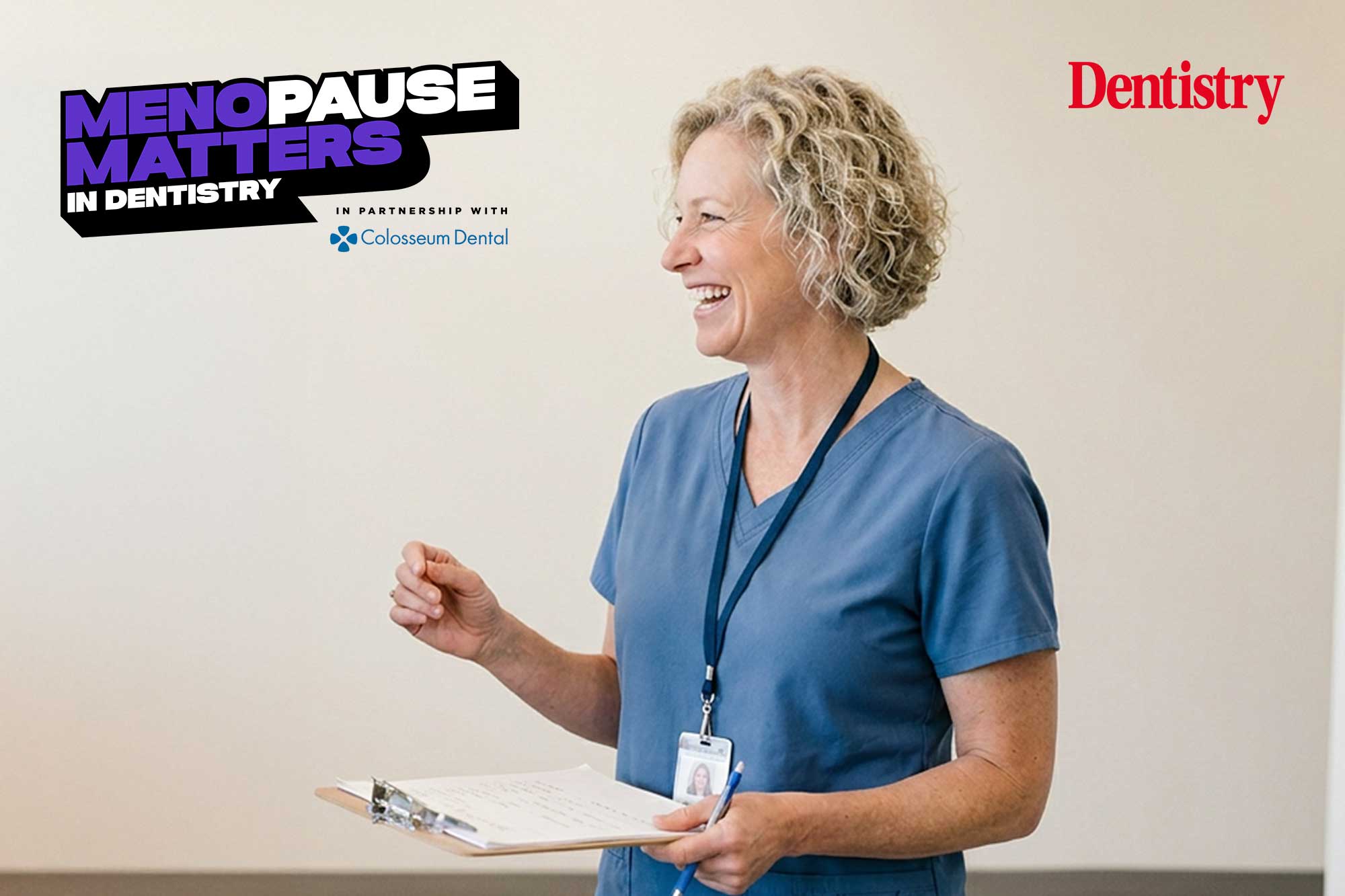
There needs to be greater recognition of how workforce design, care-delivery patterns and ergonomic pressures affect women in midlife, says Makbule Sipahi.
Life as a midlife female dentist can be challenging. While everyone discusses the impact of menopause on patients’ oral health, it can be equally tough for professionals experiencing these changes. From hot flushes during procedures to brain fog mid-discussion, such moments are part of daily life for female practitioners.
Dentistry demands a kind of resilience that is quiet, steady, and often invisible. By midlife, many of us have honed not only our clinical skills but also our emotional endurance – handling anxious patients, leading teams and working precisely under pressure. However, I hadn’t fully realised how perimenopause would affect that professional rhythm.
This lack of awareness is common. In 2026, US researchers published a collaborative study with Flo, the women’s health app, to assess perimenopausal symptoms among 17,494 people from 158 countries (Hedges et al, 2026).
They found that fatigue, physical and mental exhaustion, mood changes, digestive issues, and sleep disturbances were all central to many people’s perimenopause experiences, with hot flushes way down the list of reported symptoms.
The researchers recommend that future studies should focus on how demographic and lifestyle factors, social determinants of health, attitudes about perimenopause and menopause, and knowledge-seeking behaviours affect these differences. Understanding these factors, they say, will help create targeted educational initiatives for patients and healthcare providers.
Commenting on the results, the study’s first author, Mary Hedges, a community internal medicine physician at Mayo Clinic, said: ‘This study shines a light on how little we still understand about perimenopause and how much it affects people’s daily lives.’
Increased demands
Perimenopause doesn’t have a clear start or set rules. It can begin subtly with poor sleep, a shorter temper, and mental fog creeping in.
In dentistry, where focus and fine motor skills are critical, even small changes can feel magnified. A restless night can lead to a longer clinical day. Decisions that once felt instinctive may now require more conscious effort. It’s not that competence vanishes; it’s that it sometimes demands more of you.
Physical demands
Fatigue remains a major challenge. Dentistry is physically demanding, and hormonal shifts can make energy levels unpredictable. On some days, maintaining good posture, focus, and pace feels disproportionately difficult.
It’s therefore important to plan carefully by spacing procedures, allowing breaks between patients, and knowing when to step back rather than push through.
Emotional demands
Emotional challenges are also significant. Perimenopause can heighten anxiety or reduce stress tolerance, which is hardly ideal for a profession that depends on calm reassurance. Most days, we stay steady, but maintaining that calm can take more effort internally. Difficult interactions or delays may linger longer than they used to.
Comfort levels
There are other unexpected issues, too. For example, dry eyes can affect daily work. Long sessions under loupes and bright lights can become uncomfortable. Anything tight-fitting can become unbearable. Scrubs are not always designed with women’s needs in mind; white scrubs, in particular, can be problematic for menstrual hygiene.
In addition to fluctuating temperatures, skin sensitivity and bloating can occur. Choosing lightweight, stretchable, moisture-wicking fabrics and layering with a breathable undershirt can improve comfort, while seamless or tagless designs can prevent skin irritation. Incorporating adjustable features, such as drawstrings or Velcro, can also enhance fit and support.
The clinical setting can impact the ability to practise. It is essential to have well-ventilated treatment rooms, and women experiencing symptoms should feel at ease discussing any necessary workplace adjustments.
Adaptation
While not insurmountable, these issues can accumulate, highlighting the need to adapt rather than resist. Small changes – such as reviewing clinic templates, improving ergonomics, staying hydrated, and consulting healthcare providers – can make a significant difference.
Open conversations are vital to this. Although we discuss clinical complications readily, personal health topics such as menopause often remain unspoken.
Midlife offers a valuable perspective; experience brings confidence, and understanding of patient care deepens beyond technical skills. Communication improves, empathy grows, and priorities are clarified. Perimenopause prompts a re-evaluation, not just of health but of our practice.
For those of us at this stage, the goal isn’t to match the pace of youth but to sustain an effective and humane workstyle for ourselves and our patients.
Make some noise
Dentistry is a long career, and midlife is a transition, not a decline. With awareness and support, it can be navigated with the same professionalism and care we bring to our work every day.
But we do need a cultural shift within the profession, involving regulatory and representative bodies, to raise awareness of the challenges midlife women face in dentistry, including workforce design, care delivery patterns, and ergonomic issues.
Awareness is slowly improving, particularly in patient care. When discussing personal health topics such as menopause, we should approach these conversations openly yet professionally. Menopause and other midlife changes should not be taboo, especially in a predominantly female profession.
Honest conversations with colleagues help normalise experiences and foster support. With patients, I will always discuss relevant health topics sensitively and only when appropriate, as hormonal changes can affect oral health and wellbeing.
Long, healthy careers
However, the profession hasn’t yet made sufficient progress in addressing the unique challenges midlife women face in dentistry. While menopause and wellbeing are discussed more openly, meaningful structural change remains slow.
As dentistry becomes more feminised, a major shift in how midlife professional women are understood is necessary.
There needs to be greater recognition of how workforce design, care-delivery patterns and ergonomic pressures affect women in midlife. Greater flexibility, stronger support, and sustainable working practices are essential to retain experienced clinicians and support long, healthy careers.
Given the feminisation of dentistry, the profession must recognise that a one-size-fits-all career model is unsustainable. Midlife women often face overlapping challenges, including menopause, caring responsibilities and physical demands.
Without evolving workforce planning, ergonomics and career flexibility, we risk losing highly experienced clinicians at a time when their expertise is most valuable.
Maintaining resilience has meant accepting that I cannot work exactly as I did 20 years ago. Prioritising ergonomics, taking regular breaks, being selective about my workload, and focusing on wellbeing have helped. Most importantly, being kinder to myself and recognising that adapting in midlife isn’t a weakness but is vital for a long, healthy career in dentistry.
Reference
- Hedges MS, Hewings-Martin Y, Karam J, Castaneda R, Cunningham AC, Xu Y, Zhaunova L, Faubion SS, Shufelt CL (2026) Global perspectives on perimenopause: a digital survey of knowledge and symptoms using the Flo application. Menopause 33(7): 789-798.
In partnership with Colosseum Dental, Dentistry is recognising October’s Menopause Awareness Month.
Through expert insight, evidence-based information and the real experiences of dental professionals, the month-long campaign will focus on education, visibility and practical support, exploring the different ways menopause can affect those working across dentistry – as well as its potential implications for oral health.
Read more from the campaign:
Create a free account for unlimited access — plus the Dentistry Bulletin delivered to your inbox.
Apa Reaksi Anda?
 Suka
0
Suka
0
 Kurang Suka
0
Kurang Suka
0
 Setuju
0
Setuju
0
 Tidak Setuju
0
Tidak Setuju
0
 Bagus
0
Bagus
0
 Berguna
0
Berguna
0
 Hebat
0
Hebat
0