



















































%20and%20Batch%20Production%20Records%20(BPR).png)
















Modular Antibody–ADC Click Chemistry Overcomes Tumor Drug Resistance in Mice
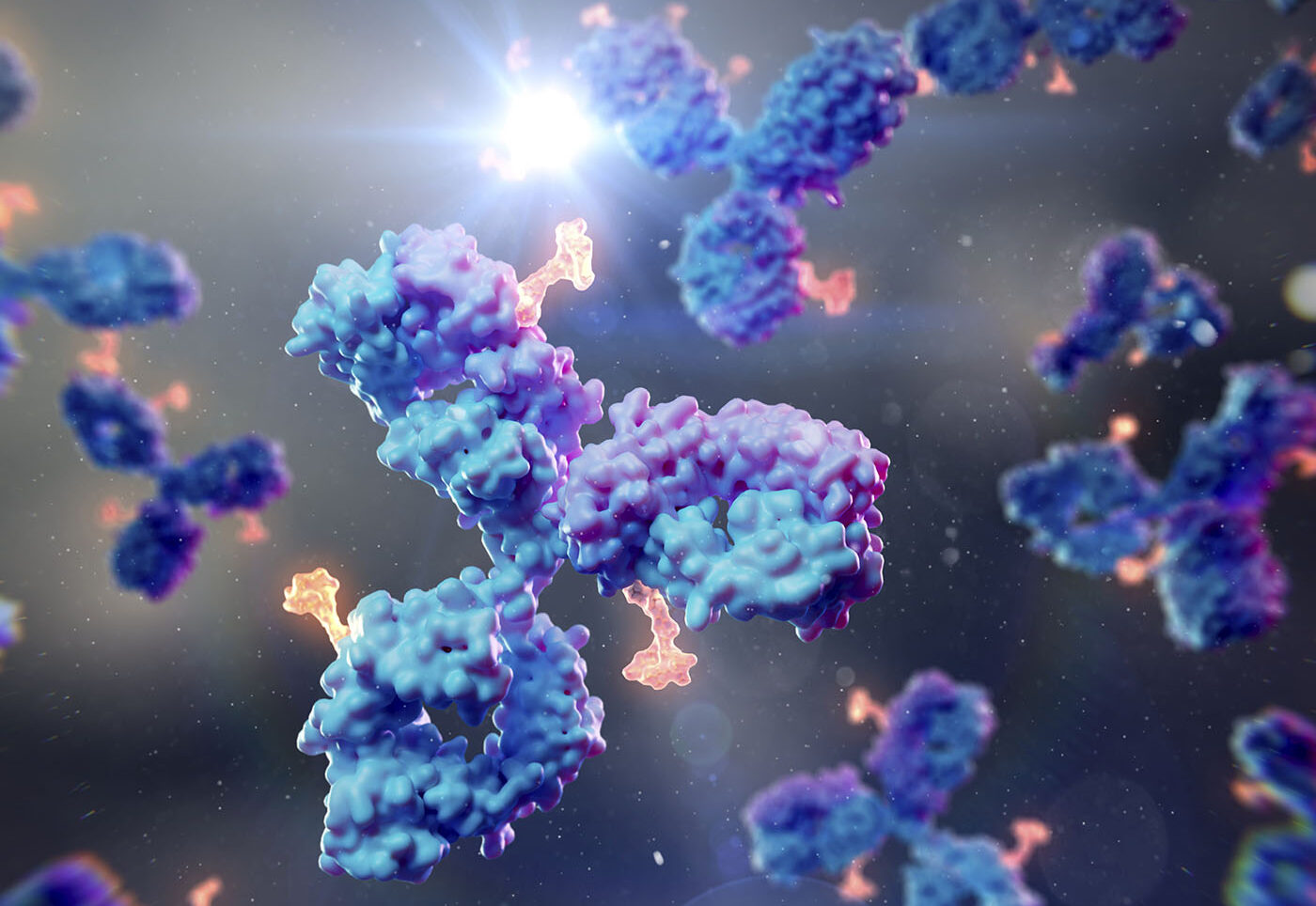
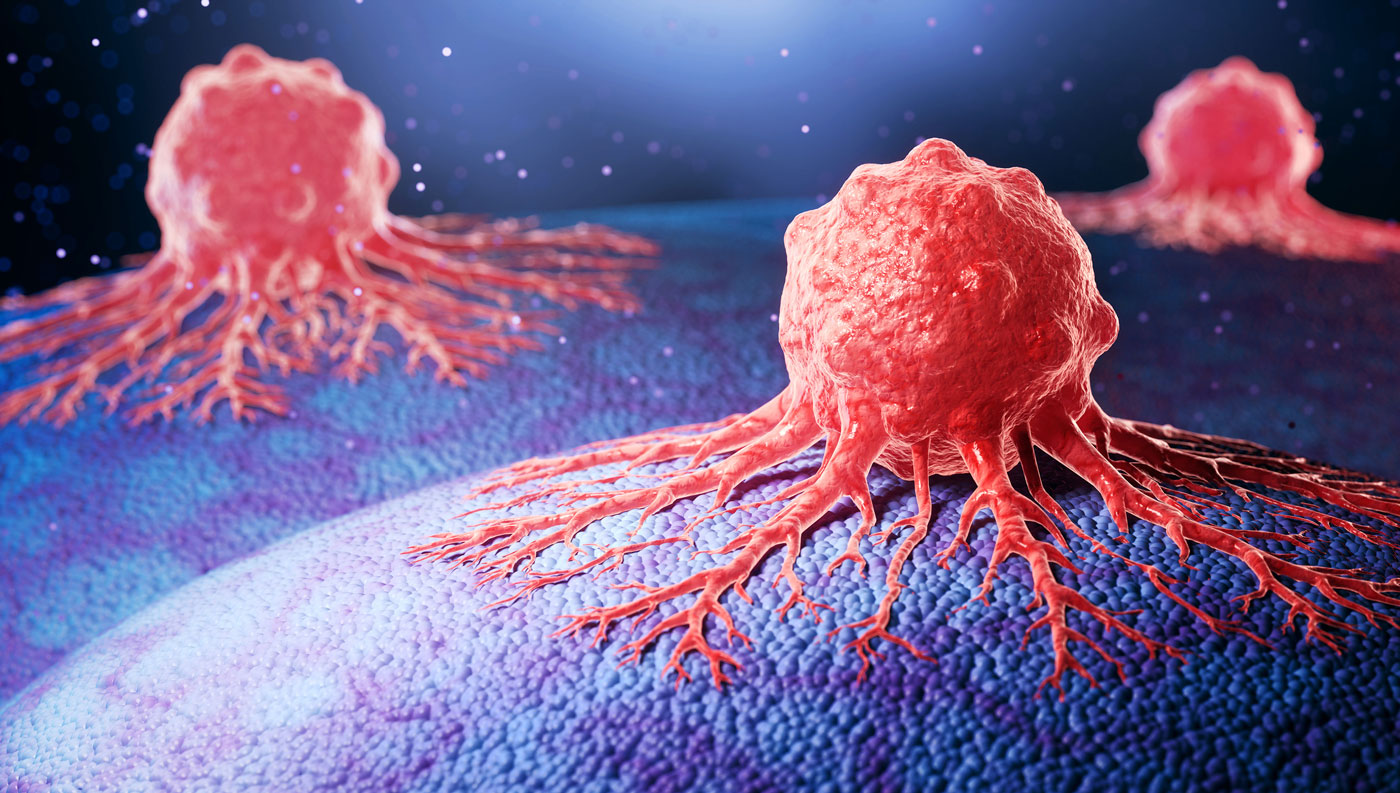
Cancer drugs that can find and kill tumor cells with molecular precision have reshaped oncology—but their power fades when tumors evolve, diversify, or simply stop presenting the right molecular targets. Now, researchers at Washington University (WashU) School of Medicine in St. Louis have unveiled a modular “click‑to‑assemble” strategy that supercharges these therapies inside the body, allowing them to hit multiple tumor targets at once and reverse drug resistance in mice.
The study, published in Nature, is titled “Modular in vivo antibody–ADC click to reverse drug resistance in tumors,” and introduces a bioorthogonal ligation strategy that forms a dual‑targeting antibody–drug conjugate (ADC) with improved tumor uptake and therapeutic efficacy. In pancreatic, gastric, and breast cancer models, the approach slowed or halted tumor progression—even in tumors with low, ultralow, or heterogeneous HER2 expression, where conventional HER2‑directed ADCs typically fail.
“We’ve shown that when two cancer‑targeting antibodies bind together inside the body, they accumulate at the tumor more effectively and improve treatment response,” said senior author Patrícia M. Ribeiro Pereira, PhD, assistant professor of radiology at WashU Medicine’s Mallinckrodt Institute of Radiology. “There is a lot of excitement here because we have shown that it isn’t necessary to create a whole new drug platform for each therapeutic target. We can repurpose antibodies that already exist to improve treatments.”
The team’s strategy—called antibody–ADC click—relies on the rapid ligation between trans‑cyclooctene (TCO) and tetrazine moieties. In the study, one antibody (such as panitumumab, targeting EGFR) was modified with TCO, while a second antibody or ADC (such as trastuzumab‑deruxtecan, T‑DXd) carried tetrazine. When administered sequentially, the two components “clicked” together, forming a higher‑order complex that internalized more efficiently and delivered more cytotoxic payload.
The paper described the problem bluntly: “ADC efficacy remains constrained by its dependence on a single target antigen, which limits tumor targeting and promotes resistance in heterogeneous tumors with variable and low antigen expression.” The click strategy, the authors wrote, “provides a modular and translatable approach for enhanced targeted drug delivery in heterogeneous tumors.”
In mice bearing tumors with mismatched HER2 and EGFR expression, the clicked ADCs accumulated at levels up to 3.2‑fold higher than standard ADCs.
The modularity is the point. “The approach is flexible enough to be adapted to new cancer targets as we learn more about what drives treatment resistance,” Ribeiro Pereira added.
Next steps include further development and optimization of the click-enabled ADC platform prior to future clinical translation, along with expanding the platform to notoriously hard‑to‑treat cancers. “We’re trying to optimize this tool to help antibodies reach tumors that are normally very difficult to treat, such as brain tumors,” Ribeiro Pereira said.
The post Modular Antibody–ADC Click Chemistry Overcomes Tumor Drug Resistance in Mice appeared first on GEN - Genetic Engineering and Biotechnology News.
Apa Reaksi Anda?
 Suka
0
Suka
0
 Kurang Suka
0
Kurang Suka
0
 Setuju
0
Setuju
0
 Tidak Setuju
0
Tidak Setuju
0
 Bagus
0
Bagus
0
 Berguna
0
Berguna
0
 Hebat
0
Hebat
0