





















































%20and%20Batch%20Production%20Records%20(BPR).png)















New Bioreactor Design Could Boost mAb Yields
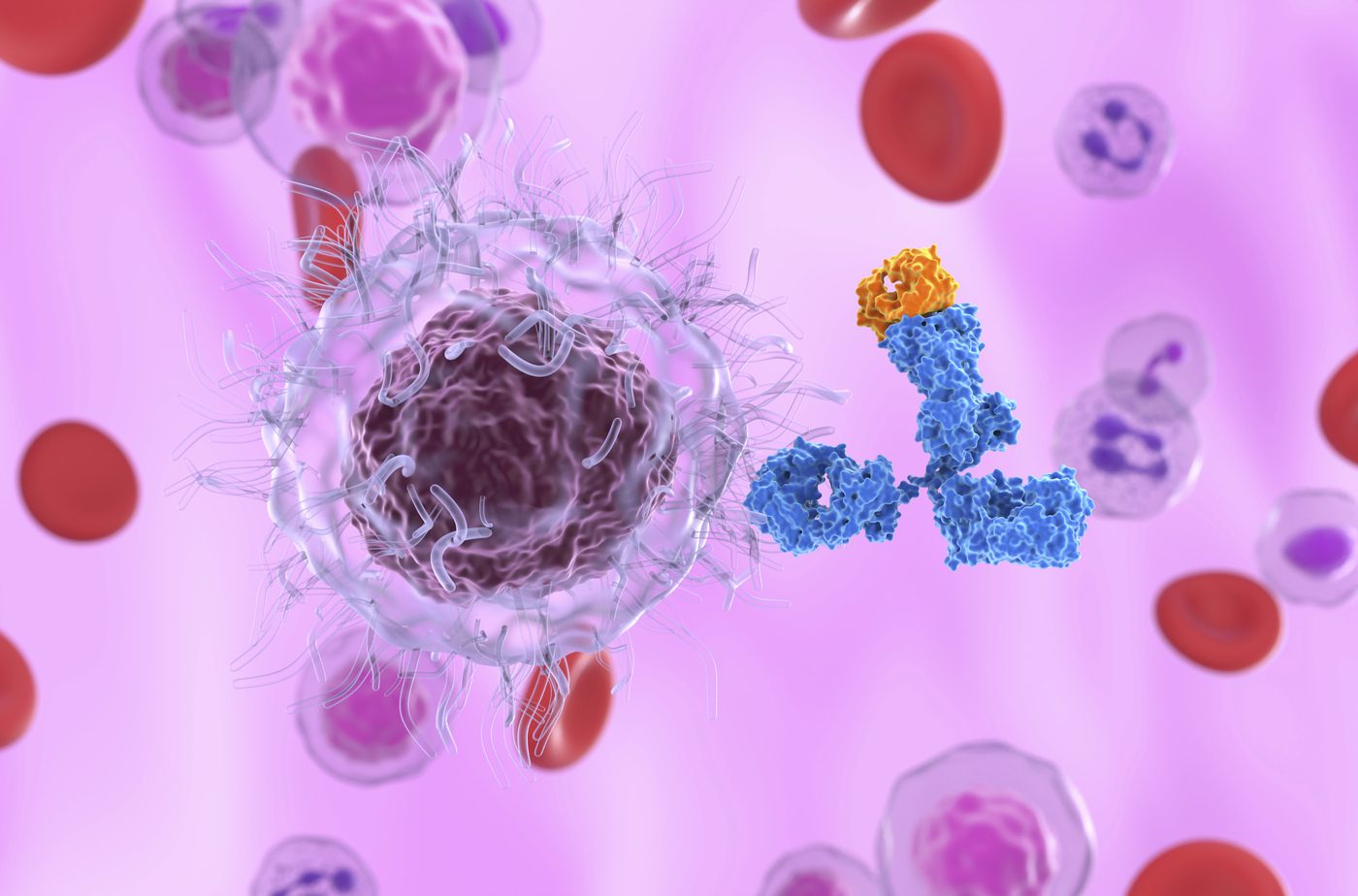
Current bioreactors are struggling to meet growing demand for mAb therapeutics, according to researchers, who suggest an innovative rotating-drum design could help boost output and reduce production costs.
Monoclonal antibodies (mAbs) are employed in a broad range of therapeutic applications—from the treatment of cancer and autoimmune diseases to the management of viral infections and the prevention of tissue rejection.
They are a major focus of biopharmaceutical industry R&D efforts—13 of the 16 biologic products approved by the FDA in 2024 were mAb-based drugs.
And—based on a recent forecast by McKinsey—demand for mAb therapeutics is set to go on increasing over the next decade.
Various technologies are used to make mAbs—from bubble column to fluidized bed bioreactors. However, the most widely used systems are stirred-tank bioreactors, consisting of a tank, an impeller for homogenizing the culture medium, and a sparger for supplying oxygen to the cells.
Stirred-tank bioreactors are effective for mAb production, but the yields they achieve are still relatively low—typically, less than a tenth of a gram per liter.
Output is largely dependent on a reactor’s ability to make sure cells have the nutrients they need to growth, say researchers at the Italian National Agency for New Technologies, Energy and Sustainable Economic Development (ENEA).
“The main bottleneck limiting the maximal efficiency of these traditional bioreactors is the availability of dissolved oxygen throughout the entire fermentation cycle, due to its low solubility in water.
“As culture density increases, oxygen demand rises, often making oxygen transfer a rate-limiting factor in bioreactor systems. Inadequate oxygen supply can lead to hypoxic stress, resulting in reduced cell growth, decreased protein expression, and shifts toward undesirable metabolic pathways,” they write.
Innovation
To address this, manufacturers typically increase agitation to help cells access oxygen more effectively. However, this can increase shear stress, which is detrimental to CHO cell growth because it can disrupt membranes and induce apoptosis.
A more promising potential alternative, according to the ENEA researchers, is a new rotating drum bioreactor originally designed for bacterial growth for applications in wastewater treatment.
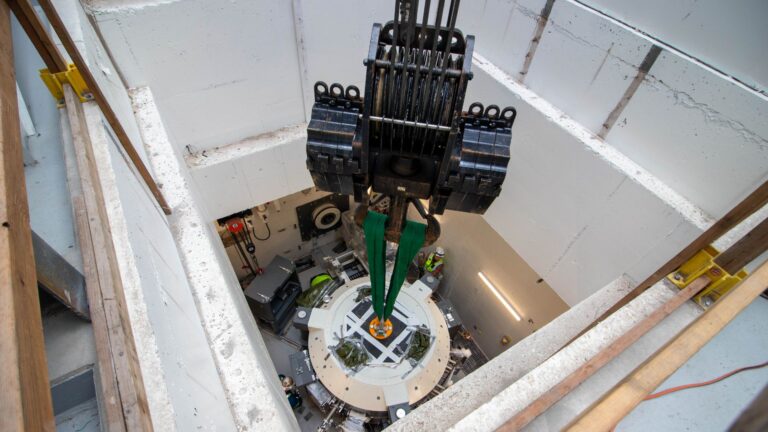
The prototype consists of a horizontal chamber, coupled to a slow-rotating perforated basket. The basket contains two perpendicular paddles, designed to ensure the efficient homogenization of the culture. The chamber is equipped with several inlet and outlet ports and probes for monitoring temperature, pH, foam formation and O₂ level.
According to the authors, “The main innovative principle underlying this prototype involves increasing the liquid surface area exposed to the headspace, thereby promoting gas exchange at low rotational speeds.”
Head-to-head test
Trials of the bioreactor suggest the decision to focus on boosting oxygen availability was the correct approach. In head-to-head comparisons, the bioreactor achieved a titer of 1.3 ± 0.09 g/ L at day 10. In contrast, a titer of 0.71 ± 0.006 g/ L was obtained in a traditional bioreactor.
According to the authors, rotating drum bioreactors are a promising alternative to conventional systems, supporting mammalian cell growth while maintaining high viability and enhancing mAb production.
“Monoclonal antibody production reached 1.3 ± 0.09 g/ L, almost doubling the yield obtained in the stirred-tank reactor. The improved outcomes observed in the innovative bioreactor could be associated with the distinct operating and hydrodynamic conditions established by the system configuration,” they conclude.
The post New Bioreactor Design Could Boost mAb Yields appeared first on GEN - Genetic Engineering and Biotechnology News.
Apa Reaksi Anda?
 Suka
0
Suka
0
 Kurang Suka
0
Kurang Suka
0
 Setuju
0
Setuju
0
 Tidak Setuju
0
Tidak Setuju
0
 Bagus
0
Bagus
0
 Berguna
0
Berguna
0
 Hebat
0
Hebat
0