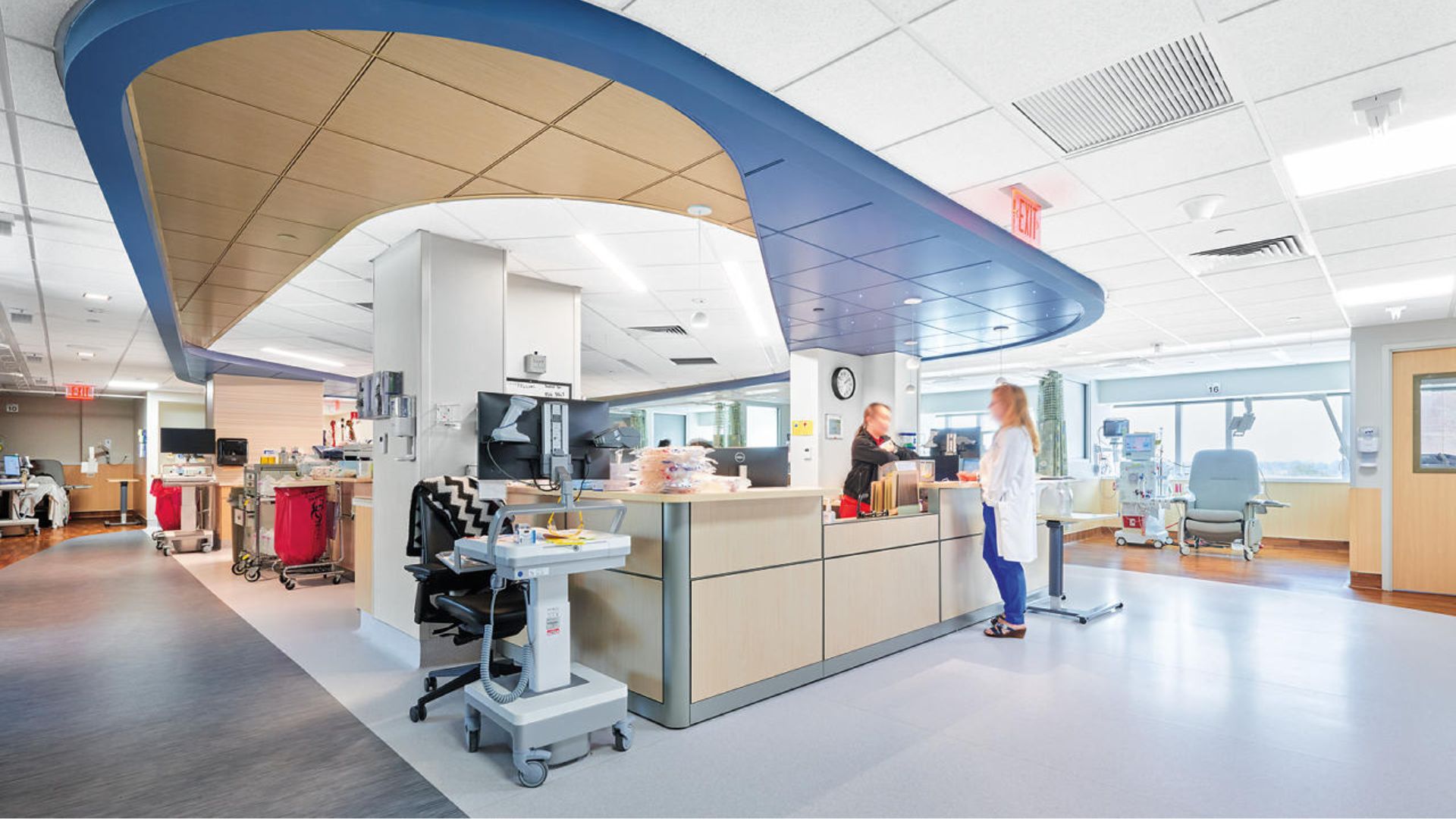













































































Right-Sizing Reliability: Hot Water System Planning for Modern Healthcare Facilities
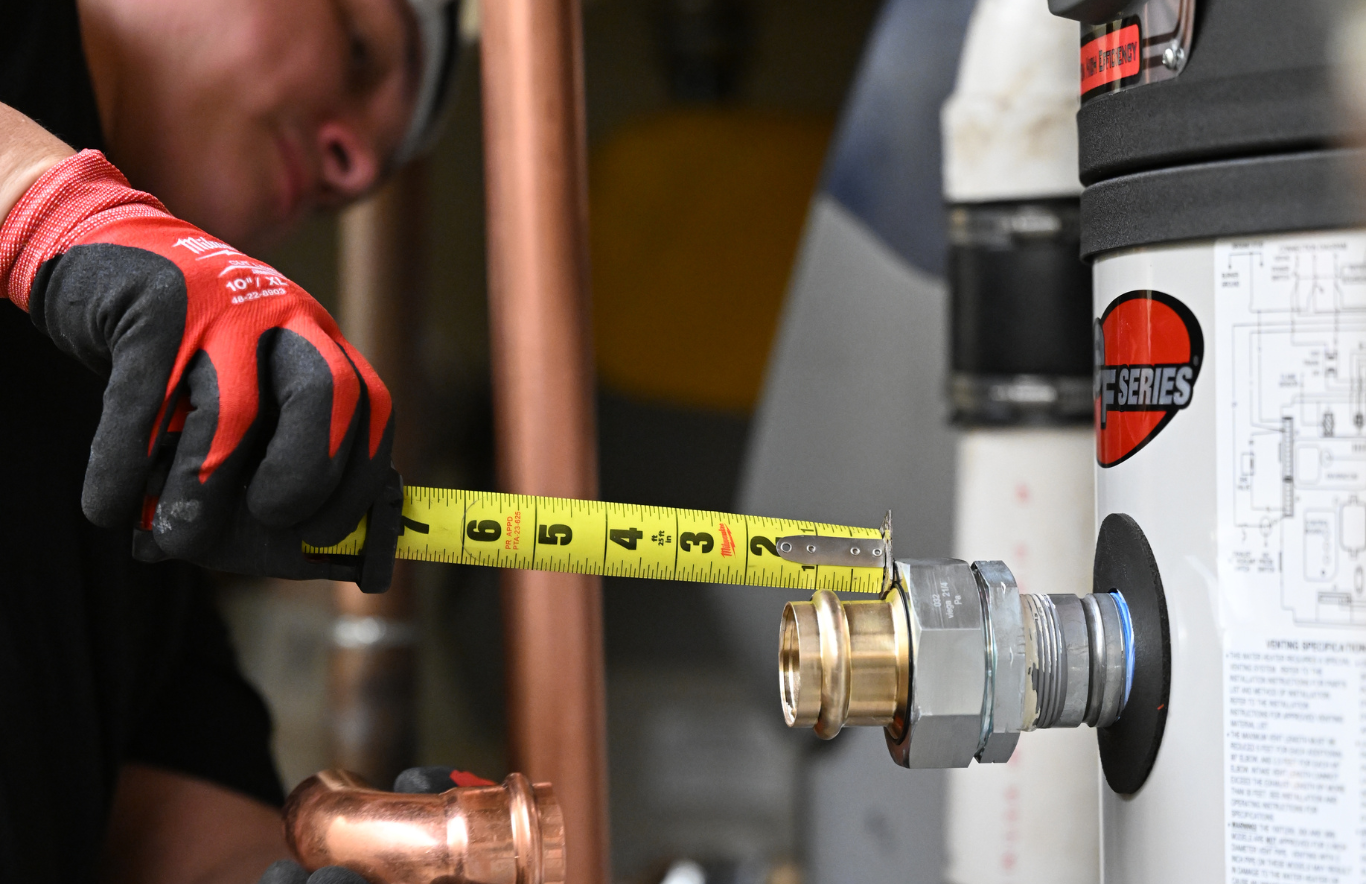
Incorrectly sized systems can create long-term operational and financial consequences. | Photo Credit (all): Courtesy of Bradford White
By Lindsey Coulter
As hospitals and healthcare campuses continue to modernize, expand specialty services and adapt to changing patient demands, hot water systems are becoming a far more critical design consideration than many project teams realize. According to Bradford White Senior Manager of Mechanical Solutions Cheryl Wagner, healthcare facilities frequently encounter performance and efficiency challenges because water heating systems are sized incorrectly during the design phase.
“Project teams most often miscalculate demand by relying too heavily on building size or fixture counts instead of actual use patterns,” Wagner said. “Healthcare facilities have highly variable loads depending on patient population, laundry, food service, sterilization and bathing schedules.”
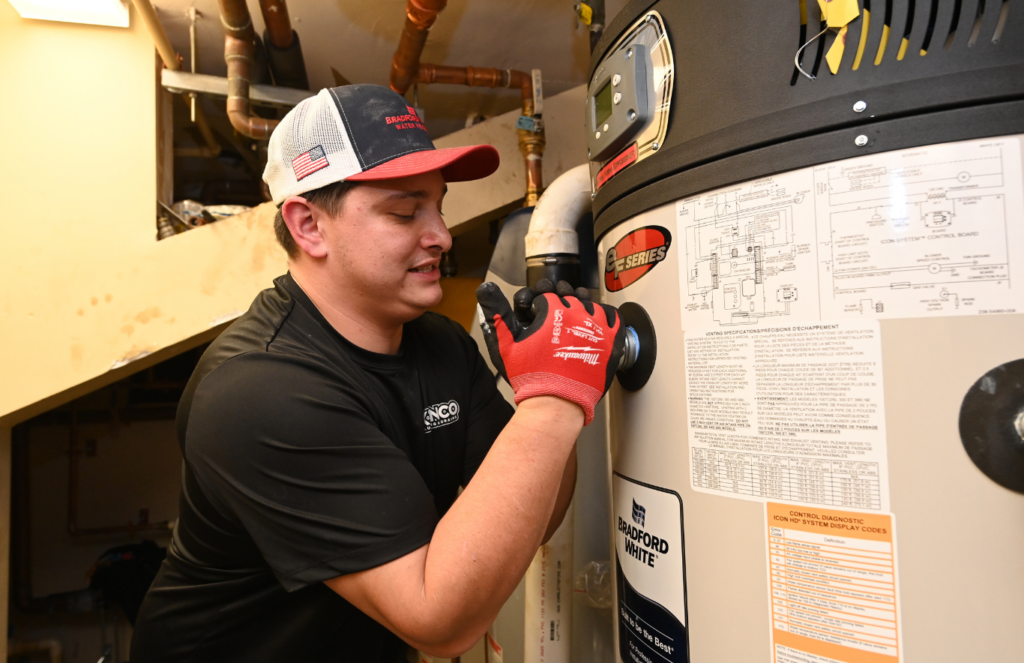
While square footage remains a common benchmark during early planning, Wagner noted that it rarely reflects how healthcare facilities actually consume hot water. Two similarly sized hospitals may have dramatically different demand profiles depending on occupancy, specialty care services, kitchen operations, laundry requirements and clinical workflows.
“In healthcare, the system must support critical functions, not just serve a floor area,” Wagner said. “That makes demand a much better basis for design.”
Instead, healthcare project teams should focus on operational demand and peak-use scenarios when designing systems. Hospitals often experience simultaneous spikes in hot water usage during morning bathing schedules, kitchen preparation, sterilization cycles and laundry operations. If engineers fail to account for these overlapping peaks, systems may struggle to maintain temperatures and recovery rates during critical periods.
Wagner explained that high-demand departments such as laundry, food service and sterile processing can significantly influence system sizing despite occupying only a relatively small portion of the overall building footprint.
“These loads can require higher recovery capacity, additional storage or dedicated systems,” Wagner said. “Engineers should treat these areas as load drivers, not secondary assumptions.”
To properly estimate hot water demand, engineers should evaluate multiple operational factors, including fixture counts, flow rates, patient beds, occupancy levels, delivery temperatures and recirculation losses. Redundancy must also be built into the system design, particularly in hospitals where outages can quickly affect patient care and daily operations.
“Peak-load planning should be a formal part of the design process, not an afterthought,” Wagner said.
Incorrectly sized systems can create long-term operational and financial consequences. Undersized systems often lead to temperature fluctuations, slow recovery times and service disruptions that affect patient bathing, food service and infection control processes. Oversized systems present a different set of challenges, including inefficient cycling, increased standby heat loss, unnecessary energy consumption and higher capital costs.
“The goal is not simply more capacity, but the right capacity matched to the demand profile,” Wagner said.
The design approach can also vary significantly between new construction and renovation projects. New facilities typically allow engineers greater flexibility to optimize equipment layouts, storage capacity, venting systems and controls around projected demand. Renovation projects, however, often require teams to work within the limitations of existing infrastructure.
“Renovations often require a deeper look at distribution losses and legacy recirculation issues,” Wagner said. “Existing buildings also provide valuable operating history that should be used to validate sizing assumptions.”
As healthcare delivery models evolve, Wagner also recommends designing systems with long-term adaptability in mind. Modular systems, scalable storage solutions and staged equipment configurations can help facilities respond to changing patient populations and operational demands without requiring major system overhauls.
“Adaptability is especially important in healthcare because services, patient mix and operating schedules can change over time,” Wagner said.
Proper specification also plays a central role in system reliability and long-term performance. According to Wagner, specifications should extend well beyond basic efficiency metrics to address recovery rates, redundancy, controls, venting, condensate management and serviceability.
“In healthcare, reliability depends on the complete system, not just the water heater,” Wagner said.
To avoid costly redesigns later in a facility’s lifecycle, Wagner recommends involving facility operations teams early in the planning process and coordinating closely across design, engineering and construction disciplines.
“The best projects are designed around real operating conditions and reviewed collaboratively before construction begins,” Wagner said.
As healthcare facilities continue to grow more complex, water heating infrastructure is increasingly becoming a strategic planning issue rather than a routine mechanical specification. For healthcare design and construction teams, understanding real-world demand profiles may ultimately determine whether systems operate efficiently and reliably for decades—or require costly corrections long after occupancy.
The post Right-Sizing Reliability: Hot Water System Planning for Modern Healthcare Facilities appeared first on HCO News.
The post Right-Sizing Reliability: Hot Water System Planning for Modern Healthcare Facilities appeared first on HCO News.
Apa Reaksi Anda?
 Suka
0
Suka
0
 Kurang Suka
0
Kurang Suka
0
 Setuju
0
Setuju
0
 Tidak Setuju
0
Tidak Setuju
0
 Bagus
0
Bagus
0
 Berguna
0
Berguna
0
 Hebat
0
Hebat
0