















































%20and%20Batch%20Production%20Records%20(BPR).png)















Tooth gems: the potential oral health risks dental professionals need to know
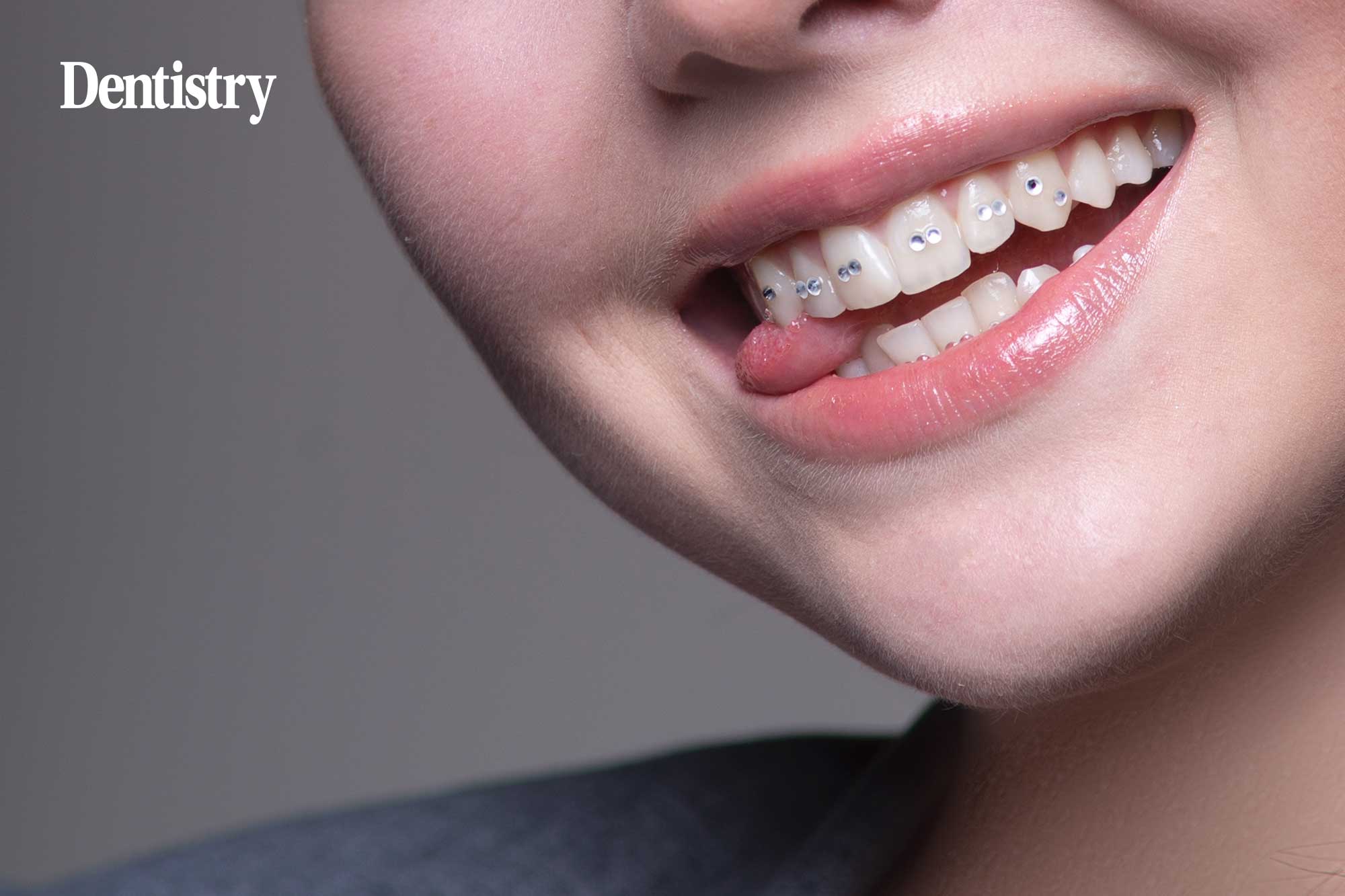
Kimberley Lloyd-Rees explores the growing popularity of tooth gems, the potential oral health and hygiene considerations, and why professional application and removal can help patients enjoy the trend without compromising their teeth.
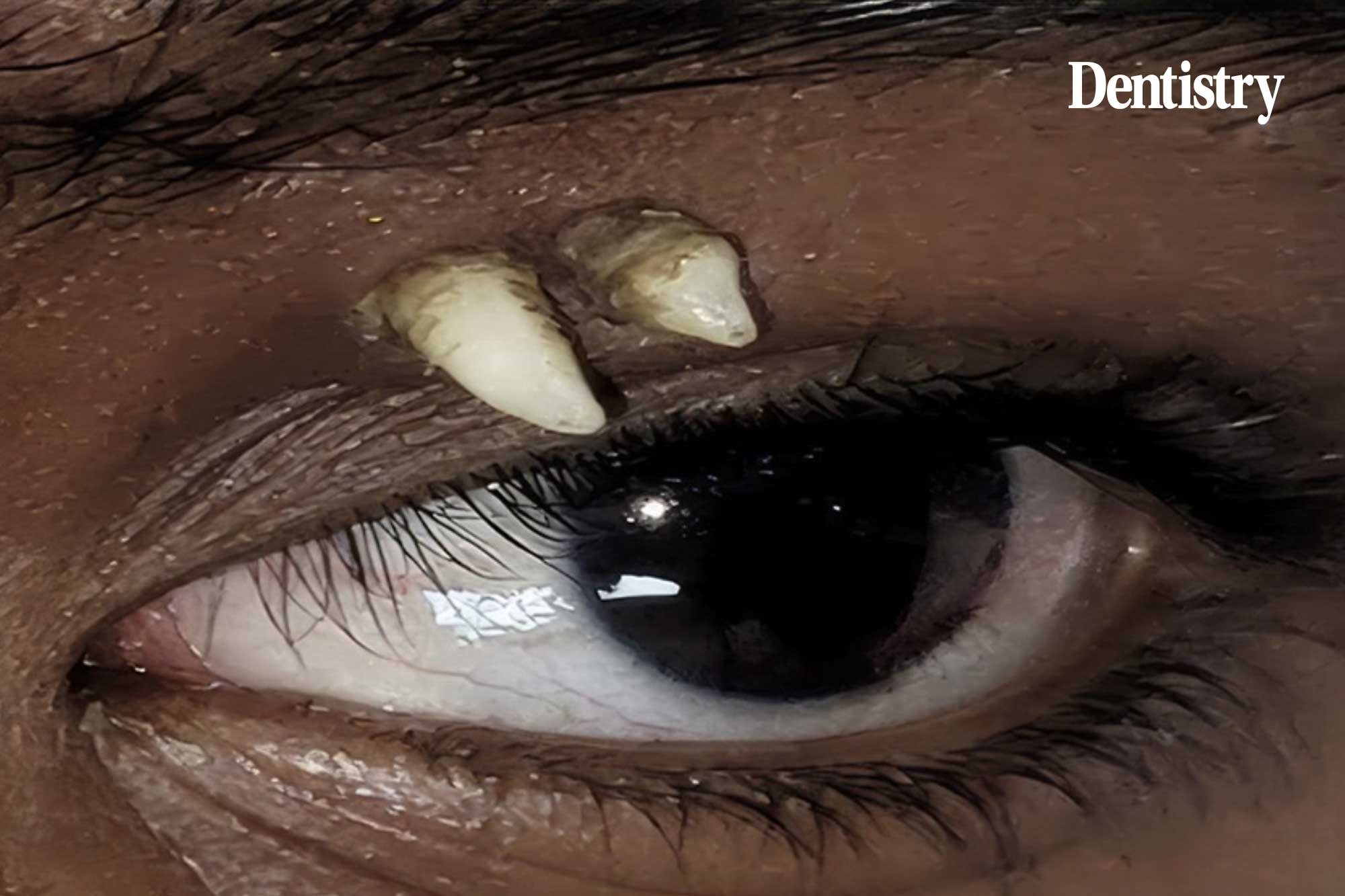
Tooth gems are small decorative crystals or jewels that are bonded to the surface of a tooth. They’re essentially an accessory for your smile, offering a temporary way to personalise your appearance without permanently altering the tooth.
In recent years, they’ve certainly become a much more visible fashion statement through social media and celebrity trends. High-profile celebrities and influencers such as Hailey Bieber, Bella Hadid, Katy Perry and Kendall Jenner have helped put tooth gems back in the spotlight. When celebrities with large social media followings embrace a trend, it can increase awareness and make people more curious about trying them for themselves.
We’ve also seen a rise in at-home tooth gem kits being sold online, which makes the trend much more accessible. The concern is that these kits can give people the impression that application is completely risk-free or no different from applying any other cosmetic accessory, when in reality, you’re working directly on the tooth surface.
Health and hygiene considerations
Generally, tooth gems are simple to apply. Although they’re marketed as needing no dental knowledge, it’s important for people to know that they’re still bonding something to the surface of a tooth. The materials used, the condition of the enamel and how the area is cared for afterwards, all matter.
Tooth gems can be done safely, provided they’re applied properly and looked after well. The key issue is cleanliness. You’re adding an extra surface for plaque to collect around, so you need to be more careful about keeping the area clean.
If they’re applied using appropriate dental bonds by someone who understands what they’re doing, it’s just like applying an orthodontic bracket. When appropriate dental materials and techniques are used, the risk of damaging the enamel is generally low.
The main risk of damaging your tooth’s enamel comes when it’s attached or removed at home. The safest approach is to treat a tooth gem as something that needs proper application, ongoing care and appropriate removal.
Oral health tips for tooth gems
For dental professionals, it’s worth making patients aware that the gem itself isn’t necessarily a hygiene problem. The presence of a gem creates additional edges and surfaces around which plaque and food debris can accumulate. This makes good oral hygiene particularly important while a gem is in place.
I’d always recommend cleaning carefully around it with a compact tuft brush to keep plaque from building up around the edges and to use a fluoride-containing toothpaste to protect the tooth enamel.
It’s also important to remind patients not to focus solely on the gem itself. Good plaque control throughout the mouth remains the priority. Cleaning a tooth gem can work well as part of a three-minute routine – two minutes of regular brushing, followed by one minute of cleaning between the teeth with an interdental brush such as TePe’s.
Could offering tooth gem application ultimately benefit patients?
Having tooth gems applied by somebody with the right knowledge of teeth, enamel, bonding materials and infection control is always preferable over people experimenting with DIY kits at home.
It provides an opportunity to assess the tooth and the patient’s oral health first. If there is active decay, poor plaque control or another issue affecting the tooth or surrounding tissues, that can be addressed.
It also means the correct dental materials and tools can be used. This can help to minimise the risk of damage to the enamel during both application and removal.
However, with at-home kits becoming more widely available, dental professionals are likely to see more patients coming in with gems they’ve applied themselves. In those cases, their role is to check for plaque build-up, excess adhesive or any signs of enamel damage, and make sure the patient knows how to keep the area clean while the gem is in place.
They can also provide reassurance around removal. When the patient is ready to take the gem off, it’s much safer to have it removed professionally than to try to prise or scrape it away at home.
Adapting treatment for patients with tooth gems
As dental professionals, our role isn’t to judge cosmetic choices, but to support patients in making informed decisions and maintaining good oral health regardless of those choices
A tooth gem does not necessarily require an entirely different approach to routine dental care, but clinicians should take their presence into account when assessing the tooth and the patient’s plaque control.
If a patient comes in with a tooth gem, I’d look carefully around the margins and check whether there is any plaque accumulation, staining or change to the enamel in the area.
It’s also a good opportunity to ask how they’re cleaning it and how it was applied. If hygiene around the gem isn’t as good as it could be, you can demonstrate how to target that area more effectively.
Dental professionals should be careful around the gem during treatment and assess it as part of the tooth rather than ignoring it. If it becomes loose or there are concerns about the enamel or tissues around it, that may need to be addressed.
Ultimately, having a tooth gem shouldn’t stop somebody receiving normal preventive dental care. The aim is to help them enjoy the cosmetic choice they’ve made without allowing it to compromise the health of the tooth underneath or the rest of their mouth.
Follow Dentistry.co.uk on Instagram to keep up with all the latest dental news and trends.
Apa Reaksi Anda?
 Suka
0
Suka
0
 Kurang Suka
0
Kurang Suka
0
 Setuju
0
Setuju
0
 Tidak Setuju
0
Tidak Setuju
0
 Bagus
0
Bagus
0
 Berguna
0
Berguna
0
 Hebat
0
Hebat
0