

















AquaVision 2026 Reaffirmed Its Role as a Forum That Promotes Strategic Dialogue and Decision-Making Across the Aquaculture Value Chain
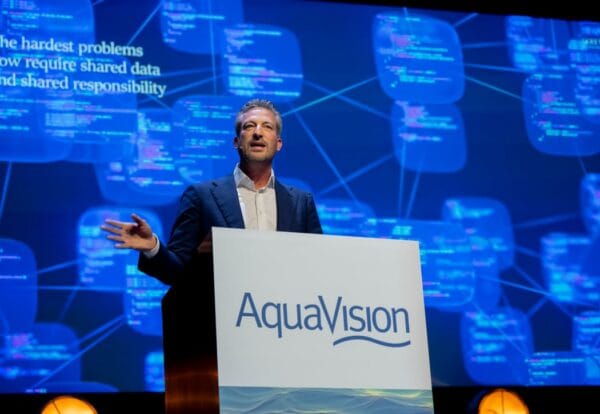
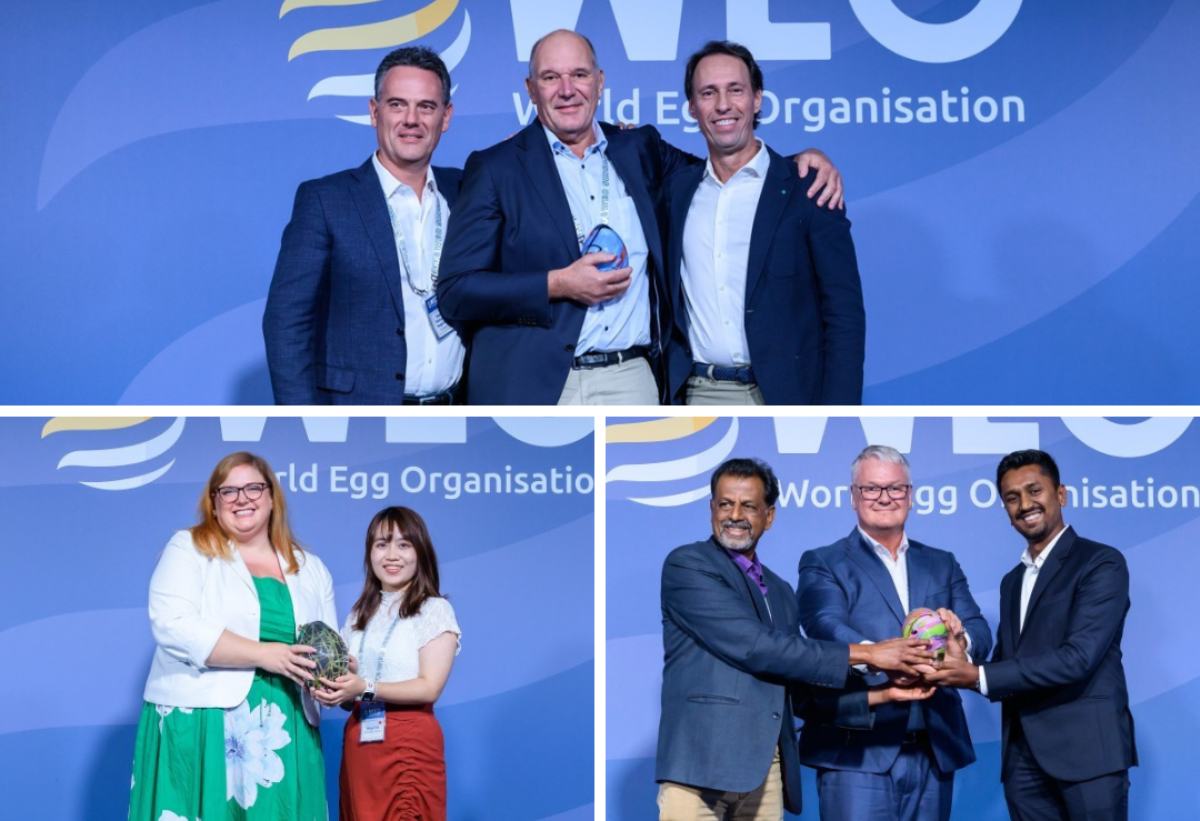
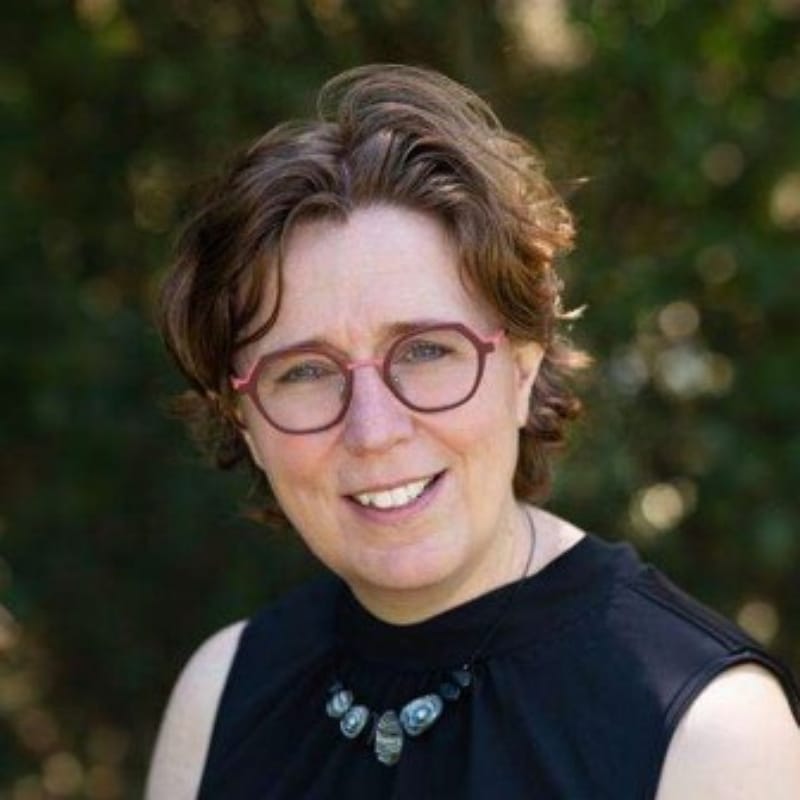
The new edition of AquaVision was held in Stavanger, Norway some days ago, bringing together more than 400 fish and shrimp farmers, suppliers, and decision-makers from around 40 countries. The two-day conference organized by the international company Skretting offered a strong line-up of speakers from across the value chain, and was hosted by Sophie Ryan, CEO of Global Salmon Initiative. By offering global political and economic perspectives combined with practical industry insights, AquaVision 2026 has once again reaffirmed its role as a forum that promotes strategic dialogue and decision-making across the aquaculture value chain.
Against a backdrop of rising demand for seafood, geopolitical instability, feed raw material pressure, climate change and increasing use of artificial intelligence, the central question in AquaVision2026 was: How can the aquaculture industry be future-proofed, and its sustainable growth ensured?
The first day kicked off with an appearance from Tormod Losnedal, the Mayor of Stavanger, before Bastiaan van Tilburg, CEO of Nutreco, took to the stage for the official opening. Sharing his views on Nutreco and Skretting’s roles in contributing to food security, van Tilburg said “For our food system to grow, we need a free flow of knowledge, free flow of innovation, free flow of collaboration… What we don’t need is bigger walls. We need more long-term thinking and more collaboration. And I think the solution is partly in this room.”
Great Insights
On that day, the conference focused on exploring geopolitics and its implications for aquaculture, with many great insights from the speakers. Addressing the leaders in the room, Rem Korteweg from Clingendael Institute said: “You, businesses, executives, CEOs are, in fact, on the front line. And how we interact with each other and how you shape the debate, is equally important as what is being said in the corridors of power, in the larger capitals of this world.”
Among other personalities, Hiroaki Ishimoto from Mitsui & Co. contributed the investor perspective, discussing the ‘premiumization of food needs’ and the two business models which they adopted in thinking about entry into the aquaculture industry: Salmon and shrimp which are farmed with restriction and sold globally, or the ‘poultry model’ which applies to more affordable species that can be produced and sold locally.
May-Helen Holme from Skretting argued that as volatility becomes the new normal in aquaculture, the industry must shift from optimizing for efficiency to building resilience through more secure and diverse feed raw materials, precise nutrition, innovation and stronger long-term collaboration.
Shaping the Future
On day two, the conversation shifted towards technology and artificial intelligence, with speakers exploring how digital tools have been used to support business growth. For example, Anders Milde Gjendemsjø from McKinsey discussed how aquaculture is uniquely suited to unlock value from AI to drive growth, while highlighting that data only becomes valuable when it is shared as part of a collaborative value chain. “You already have the data. Go ahead and choose one or two major problems you want to solve. Make it real, connect the data, and build the conviction that you will create value,” he encouraged.
In his closing speech, Skretting’s Maarten Bijl used an AI-generated avatar to summarize the ideas from the past two days. An advocate for digital transformation, he shared how one thing that has struck him during farm visits is the general unwillingness to share data. “Progress depends on better and more consistent data being shared securely across the value chain. Let’s move away from thinking that we can optimize in isolation, and connect in order to accelerate sustainable growth.”
There were several recurring messages across this year’s presentations. Shocks and disruptions have become part of the operating environment, and there is no returning to “normal”. Global openness has given way to a landscape where lines are being drawn and redrawn, and where relationships define access. Aquaculture has become increasingly shaped by policy; food security has become a matter of national security. More than ever, collaboration across the value chain will be essential to achieving shared goals. And no matter the industry – the businesses that have built the most resilience and made the smartest alliances will be best placed to succeed. That was Skrettings vision.
And Maarten Bijl’s final words to the audience were an invitation to pause and reflect on their learnings over the two-day conference. “Because then we will be able to make better decisions together.”
Apa Reaksi Anda?
 Suka
0
Suka
0
 Kurang Suka
0
Kurang Suka
0
 Setuju
0
Setuju
0
 Tidak Setuju
0
Tidak Setuju
0
 Bagus
0
Bagus
0
 Berguna
0
Berguna
0
 Hebat
0
Hebat
0