






























Australia reports first H5N1 detection in a resident native bird species
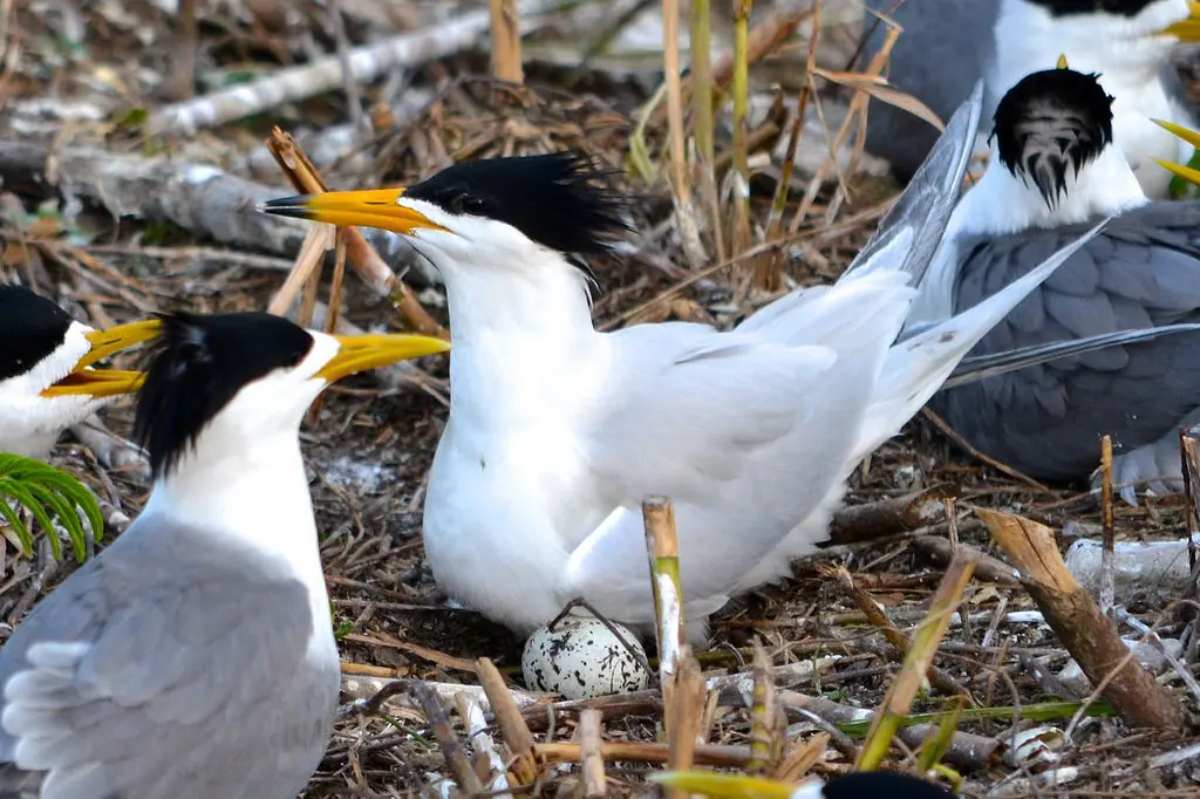
Australia has reported its first detection of highly pathogenic avian influenza (HPAI) H5N1 in a resident native bird species after the virus was identified in a greater crested tern (Thalasseus bergii) found near Robe, on South Australia’s Limestone Coast.
The detection was announced by the Department of Agriculture, Fisheries and Forestry (DAFF), which described it as “a concerning development” because it is the first confirmed H5N1 detection involving a resident native bird species. Previous detections in Australia had been recorded in migratory seabirds.
The latest DAFF update brings the total number of confirmed or presumed positive H5N1 detections to 14. All have involved wild seabirds, with the greater crested tern remaining the only resident Australian bird species found to be infected.
Despite the latest finding, Australian authorities said there is no evidence of HPAI H5N1 in commercial poultry, and no unusual mass mortality events have been reported in wild birds linked to the current detections.
Biosecurity authorities are continuing surveillance of wild bird populations, particularly in coastal areas, while urging poultry producers to maintain strict biosecurity measures and report any signs of disease without delay.
According to DAFF, the current risk to the general public remains low.
Source: www.agriculture.gov.au
See also:
Avian flu reaches all continents: Australia confirms second H5N1 case in wildlife
Australian poultry industry steps up H5N1 preparedness after seabird detections
Apa Reaksi Anda?
 Suka
0
Suka
0
 Kurang Suka
0
Kurang Suka
0
 Setuju
0
Setuju
0
 Tidak Setuju
0
Tidak Setuju
0
 Bagus
0
Bagus
0
 Berguna
0
Berguna
0
 Hebat
0
Hebat
0