






























Indonesia asks feed mills to hold price increases as ministry steers soybean meal imports through state enterprise
Indonesia’s Ministry of Agriculture has urged feed mills to postpone planned price increases, as the government tries to ease pressure on poultry producers facing live chicken prices below the official reference level. At the same time, the ministry is moving soybean meal import management partly through state-owned PT Berdikari in an effort to stabilize feed raw material supply and costs.
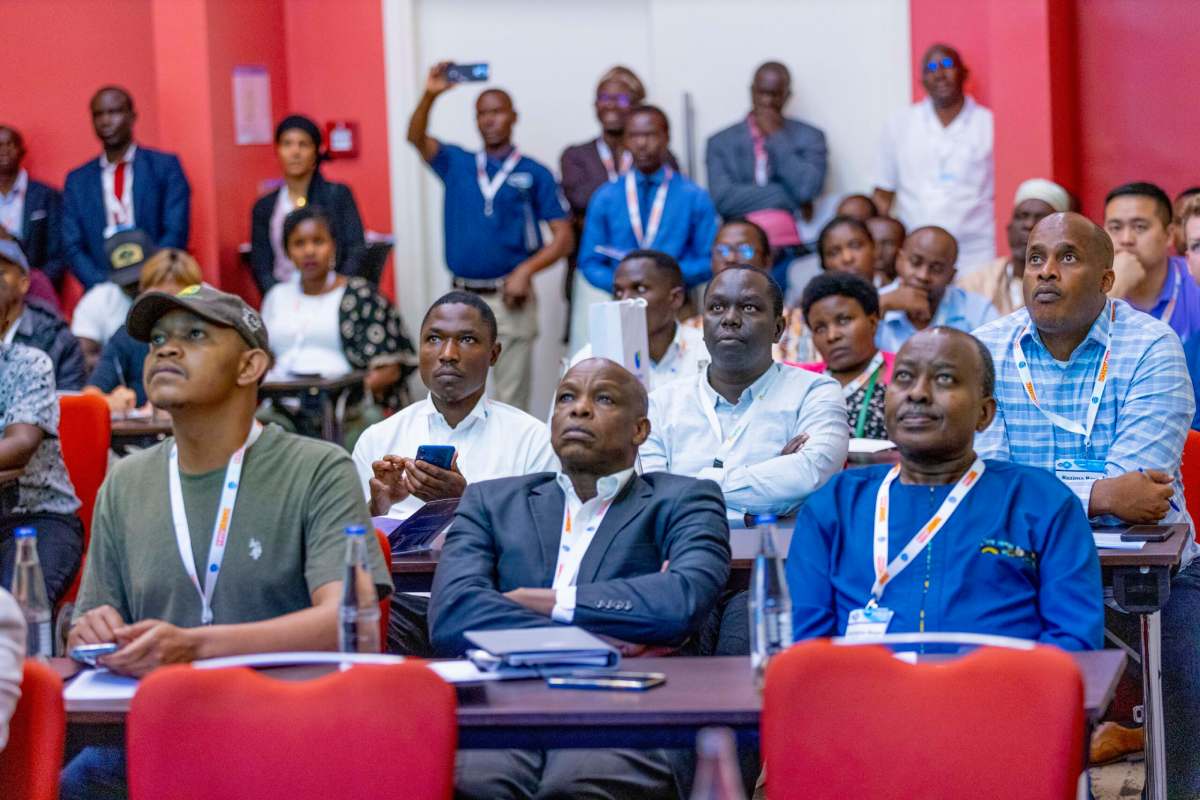
The issue was discussed during a coordination meeting in Jakarta on 9 July 2026 involving the Ministry of Agriculture, feed mills, and poultry associations. According to Director General of Livestock and Animal Health Agung Suganda, the transfer of part of soybean meal import management to PT Berdikari does not amount to a government monopoly, since private importers remain active and continue to hold a substantial share of supply.
Feed costs under pressure
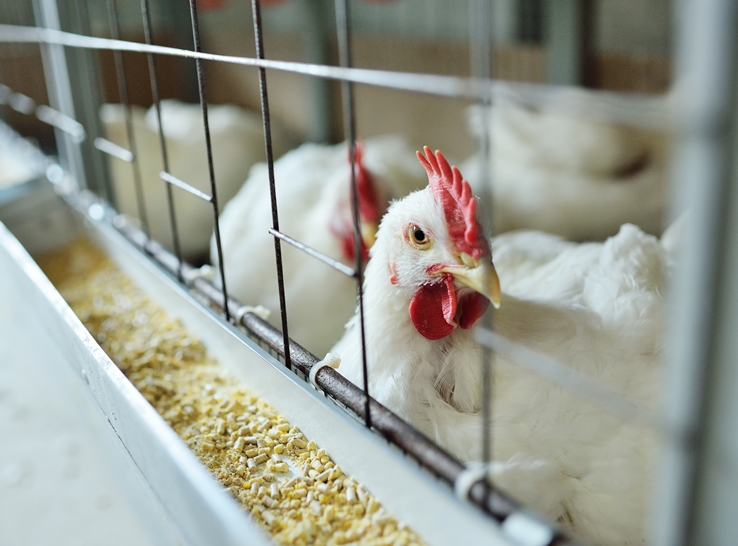
The ministry’s request comes at a time when Indonesian poultry farmers are already under financial strain. Live chicken prices remain below the government’s reference level, while higher feed costs would further squeeze margins across the sector.
Agung said around ten feed mills had already increased prices and asked companies to reconsider those moves in light of the difficult situation faced by farmers. The government’s message was clear: do not pass additional cost pressure on to producers while farmgate chicken prices remain weak.
PT Berdikari and soybean meal supply
Soybean meal has become a strategic issue in Indonesia’s feed market. Indonesia has been implementing a gradual shift in import oversight for soybean meal toward PT Berdikari, with the stated aim of improving price stability and ensuring reliable supply for the livestock industry.
The ministry also said soybean meal supplies remain adequate and emphasized that private importers are still part of the system. In fact, officials noted that 18 private importers had received import recommendations. Since 8 May 2026, revised import regulations have introduced new recommendation and approval procedures for soybean meal imports and other plant-based feed ingredients, increasing government oversight of feed raw material flows.
Industry reaction
Poultry groups welcomed the effort to stabilize the market, but they also called for mechanisms that better support small-scale farmers. Ki Musbar Mesdi, president of the National Layer Farmers Association, said any soybean meal import policy should be paired with a distribution system that gives smaller producers more direct access to feed inputs.
Feed industry representatives also signaled support for the government’s request to defer price increases. Among the participating feed companies, PT Malindo Feedmill publicly expressed support for the initiative.
Wider policy context
The meeting took place against a broader regulatory backdrop. Since 8 May 2026, Indonesia has required import licensing for soybean meal and other plant-based feed ingredients under new government rules, tightening oversight of feed raw material flows. Reuters had already reported earlier in the year that the burden of expanded soymeal import commitments would fall partly on a state agency, highlighting the political and commercial sensitivity of the issue.
For Indonesia’s poultry sector, the central challenge remains balancing raw material availability, feed affordability, and farm profitability. If feed costs continue to rise while live chicken prices stay weak, pressure on producers is likely to intensify further.
Why it matters
This development matters well beyond Indonesia. Soybean meal remains one of the most important protein sources in poultry feed, and policy shifts affecting import control can quickly influence feed prices, supply reliability, and producer margins.
Indonesia’s case shows how governments can intervene directly when volatility in input costs threatens livestock production. The outcome will depend on whether the new import and distribution framework can deliver lower volatility without creating bottlenecks or uncertainty for mills and farmers.
Apa Reaksi Anda?
 Suka
0
Suka
0
 Kurang Suka
0
Kurang Suka
0
 Setuju
0
Setuju
0
 Tidak Setuju
0
Tidak Setuju
0
 Bagus
0
Bagus
0
 Berguna
0
Berguna
0
 Hebat
0
Hebat
0