
























INCAR² and Hendrix-Genetics Strengthen Collaboration in Genomics and Disease Resistance in Aquaculture
By: INCAR²
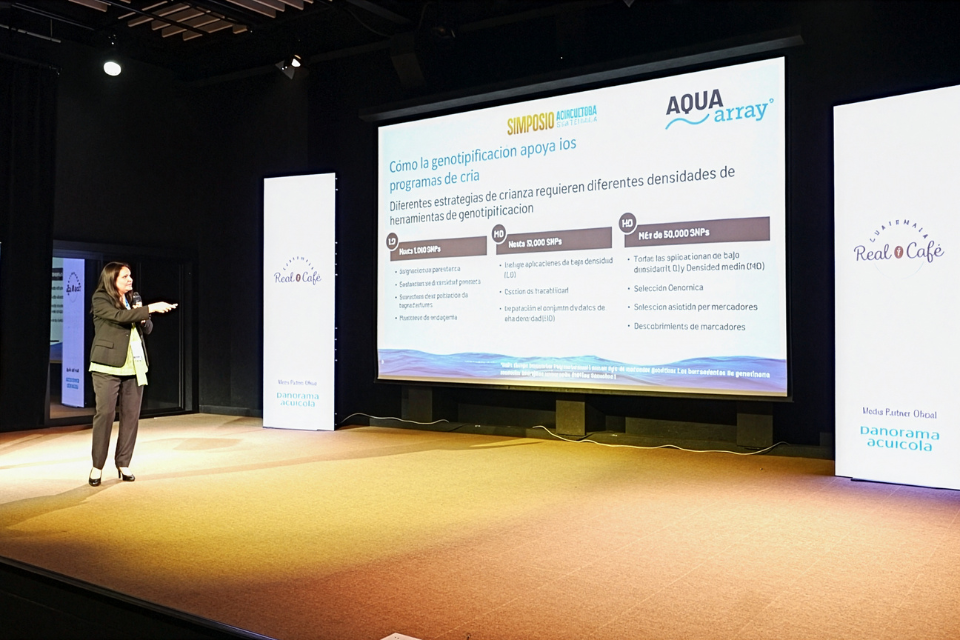
INCAR² and Hendrix-Genetics are moving forward with a strategic alliance to boost research in genomics, bioinformatics, and disease resistance in aquatic species, with a special focus on salmon farming. The collaboration aims to develop innovative solutions that strengthen health resilience and promote a more sustainable aquaculture industry in Chile.
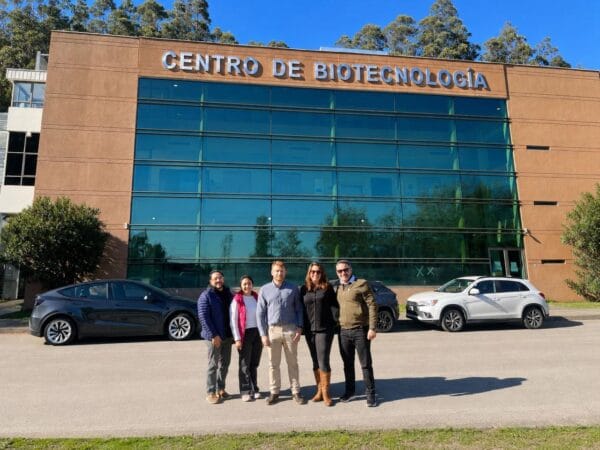
As part of efforts to reinforce strategic alliances between science and industry, the Interdisciplinary Center for Aquaculture Research–Applied Research, CIA-INCAR², welcomed representatives from the international company Hendrix-Genetics for a working session aimed at boosting research in genomics and aquatic species health.
The meeting took place at the center’s facilities located at the University of Concepción, where both institutions held technical discussions to address challenges and opportunities in areas such as molecular genomics, bioinformatics, and disease resistance, with a focus on key pathologies affecting salmon farming, such as SRS (salmonid rickettsial septicemia).
The Hendrix-Genetics delegation included Rayner González-Prendes, researcher in Molecular Genomics and Bioinformatics; Britt de Klerk, geneticist; and Stephen Tapping, Breeding Program Manager. Representing INCAR² were its director, Cristian Gallardo-Escárate, principal researcher Valentina Valenzuela-Muñoz, and associate researcher Diego Valenzuela-Miranda.
As part of the visit, the international representatives also toured INCAR²’s laboratory facilities in Dichato, where they learned about the center’s scientific and technological capabilities in applied aquaculture research.
The session allowed the establishment of a shared roadmap focused on developing innovative solutions to improve health resilience and productivity in the aquaculture sector.
“The collaboration between INCAR2 and Hendrix-Genetics is a concrete example of how the connection between academia and industry can accelerate the development of new technologies and foster innovation. These types of alliances are essential to address current health challenges and move toward increasingly sustainable aquaculture,” emphasized University of Concepción academic and CIA-INCAR² Director, Dr. Cristian Gallardo-Escárate.
Both institutions agreed that international cooperation and the integration of scientific and productive capacities are key elements to drive genetic improvement and support the sustainable development of aquaculture in Chile.
Apa Reaksi Anda?
 Suka
0
Suka
0
 Kurang Suka
0
Kurang Suka
0
 Setuju
0
Setuju
0
 Tidak Setuju
0
Tidak Setuju
0
 Bagus
0
Bagus
0
 Berguna
0
Berguna
0
 Hebat
0
Hebat
0