































The use of enzymes in broiler chicken diets
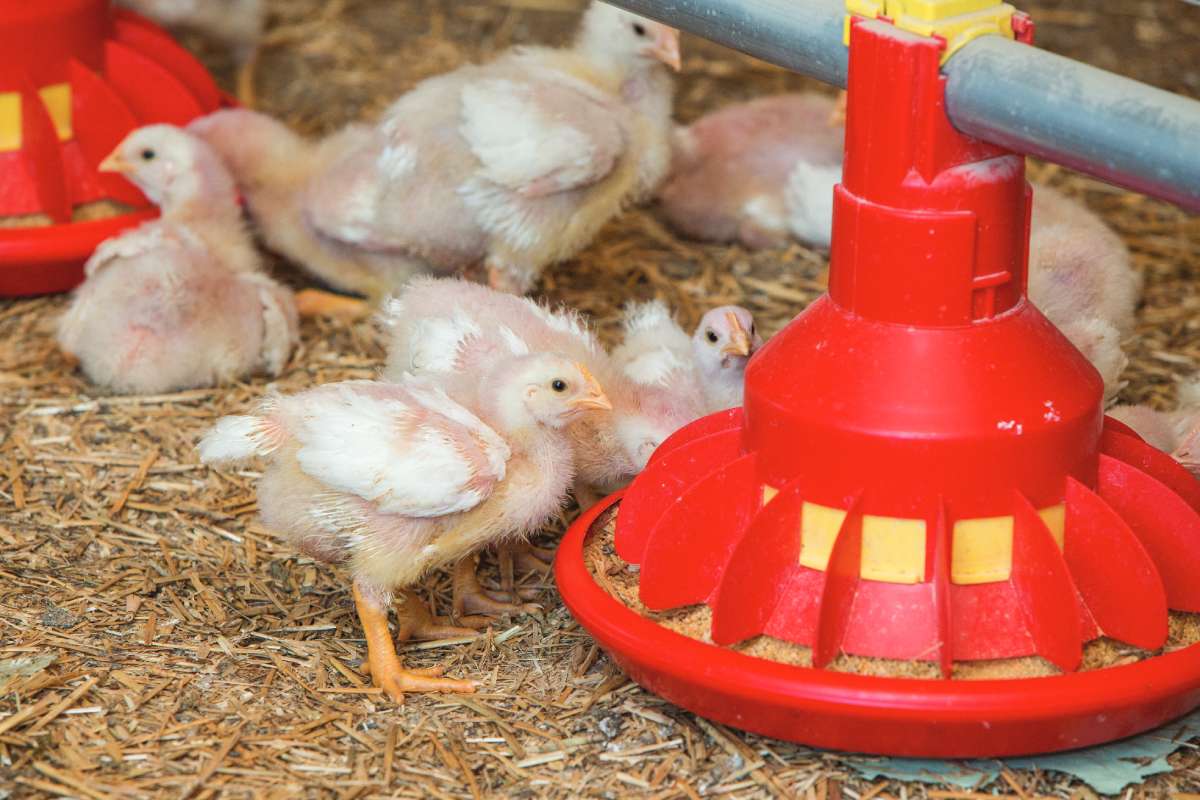
The use of exogenous enzymes in broiler nutrition is a well‑established strategy to enhance feed efficiency, reduce production costs, and mitigate the environmental impact of poultry systems. Phytases, carbohydrases, and proteases contribute to increasing nutrient availability and digestibility, counteracting the anti‑nutritional effects of plant‑based feed ingredients and supporting the productive performance of broiler chickens.
Introduction
In recent decades, broiler nutrition has seen a substantial increase in the use of exogenous enzymes aimed at improving feed efficiency, reducing production costs, and limiting environmental impact. Market analyses indicate that more than 45% of poultry feeds now incorporate enzymatic additives, with forecasts predicting continued growth driven by the widespread inclusion of phytases, carbohydrases, and proteases in feed formulations. Beyond productive outcomes, enzyme supplementation provides benefits to the intestinal microbiota and reduces nutrient excretion, underscoring its central role in the sustainability of the entire poultry sector.
The enzymes most commonly used in broiler feeding include phytases, carbohydrases (arabinoxylans, β‑mannans, and β‑glucans), and proteases. Each of these categories performs specific, often complementary, functions that enhance nutrient availability and digestion.
Phytases
Phytase is the most widely used enzyme in broiler feed. Its catalytic action involves the hydrolysis of phytic acid, the main storage form of phosphorus in plant-derived ingredients, which is poorly bioavailable to monogastric animals due to their limited endogenous phytase activity. The inclusion of phytase in the diet enables the release of bound phosphorus, as well as complexed calcium, trace minerals, and amino acids, thereby reducing the need for supplementation with inorganic mineral sources and markedly decreasing fecal phosphorus excretion. Currently, phytases account for more than 39% of the global feed enzyme market, representing the dominant segment in both volume and economic value; their adoption continues to expand owing to their substantial productive, economic, and environmental benefits. At high inclusion levels, phytase supplementation can restore productive and physiological parameters in broilers fed low‑phosphorus diets, achieving performance comparable to that obtained with nutritionally adequate formulations, while simultaneously improving feed efficiency and significantly reducing the environmental impact associated with phosphorus emissions.
Carbohydrases
Carbohydrases represent a key class of exogenous enzymes used for the degradation of non‑starch polysaccharides (NSPs), such as arabinoxylans, β‑mannans, and β‑glucans, which are structural components of the cell walls of plant‑derived feed ingredients. In broiler chickens, these NSP exert anti‑nutritional effects by increasing intestinal viscosity and limiting the activity of digestive enzymes, ultimately reducing nutrient digestion and absorption. The inclusion of exogenous carbohydrases helps decrease intestinal viscosity, improve nutrient availability and absorption, increase metabolizable energy, and favorably modulate the intestinal microbiota.
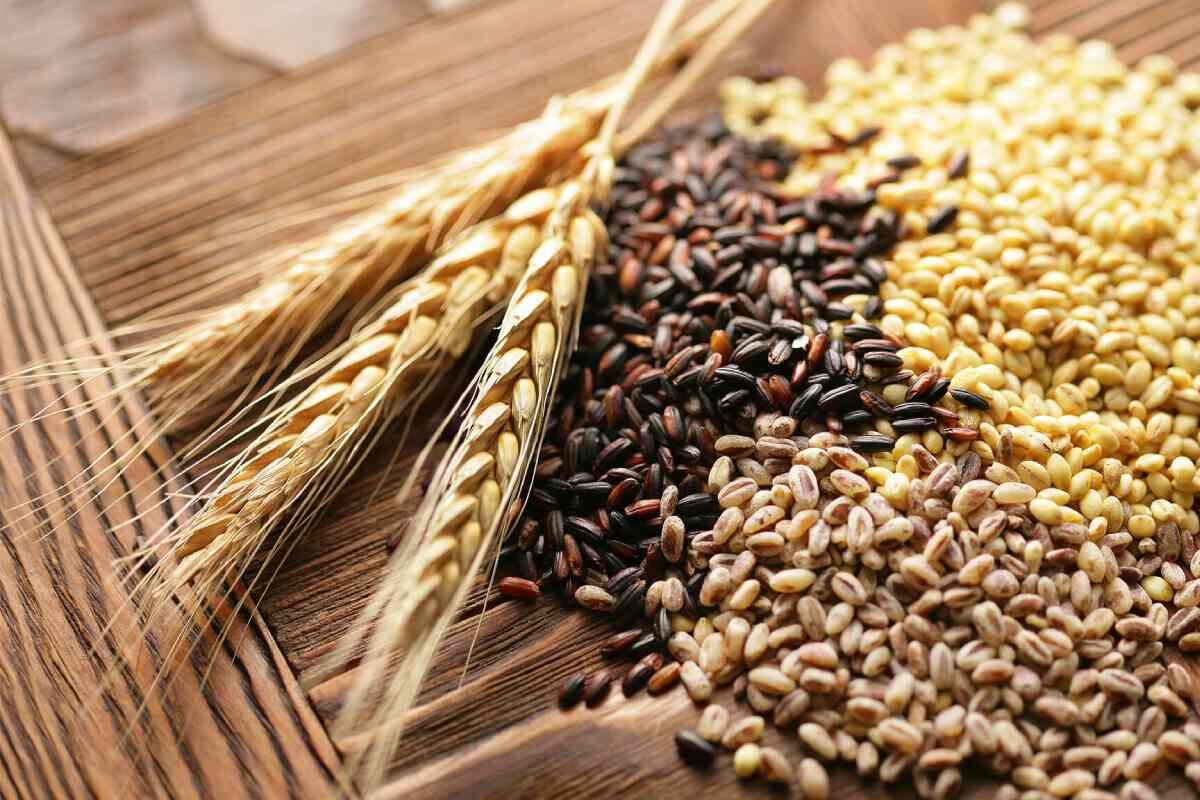
Among the most widely used carbohydrases, xylanases are particularly effective in degrading arabinoxylans. These enzymes, produced mainly by fungi and bacteria (e.g., Aspergillus spp. and Bacillus spp.), promote the hydrolysis of insoluble fiber present in cereals such as wheat, barley, and rye. The chemical structure of arabinoxylans has been shown to vary considerably among cereal species and even among varieties within the same species, influencing the response to xylanase supplementation and the extent of intestinal viscosity reduction. The degradation of NSP improves energy digestibility, limits undesirable fermentative processes, and reduces the risk of proliferation of intestinal pathogens associated with high digesta viscosity. Numerous studies have also demonstrated that xylanase supplementation can improve feed efficiency even under reduced dietary energy levels. In trials conducted on Cobb 500 broilers, diets formulated with lower metabolizable energy resulted in impaired productive performance; however, the inclusion of xylanase derived from Bacillus subtilis partially compensated for the energy reduction, improving growth and feed conversion ratio (FCR) during the final stages of the production cycle.
β‑Mannanase, although less widely used than xylanase, plays an important role in the degradation of mannans and galactomannans, non‑starch polysaccharides primarily found in legumes (soybean, pea, guar) and in various plant by‑products used in poultry feeding. These compounds, part of the hemicellulosic fraction of cell walls, exert marked anti‑nutritional effects in broilers by increasing intestinal viscosity, reducing nutrient digestibility, and interfering with protein utilization. A distinctive feature of β‑mannans is their ability to non-specifically stimulate the intestinal immune system by mimicking pathogen‑associated molecular patterns, triggering an unnecessary inflammatory response. This immune activation entails an energetic cost that diverts resources away from growth and tissue accretion, thereby impairing feed efficiency. The inclusion of exogenous β‑mannanase enables the hydrolysis of mannans, reducing intestinal viscosity and mitigating the anti‑nutritional effects of these polysaccharides. Numerous studies have shown that β‑mannanase supplementation improves crude protein and metabolizable energy digestibility, reduces unnecessary immune activation, and enhances growth and FCR, particularly in diets containing high levels of legumes or by‑products rich in galactomannans.
β‑Glucanases constitute another nutritionally relevant class of carbohydrases in broiler diets, especially when barley and oats are included. These enzymes specifically hydrolyze β‑glucans, non‑starch polysaccharides composed of glucose units linked by β‑1,3 and β‑1,4 bonds, located in the cell walls of plant ingredients. β‑Glucans also exert strong anti‑nutritional effects by increasing intestinal viscosity, slowing digesta transit, and impairing the interaction between nutrients and digestive enzymes. High intestinal viscosity particularly interferes with lipid emulsification, hindering the action of bile salts and pancreatic lipases and reducing the formation of micelles required for fatty acid absorption. These alterations promote conditions conducive to dysbiosis, with increased proliferation of undesirable microbes and reduced absorption of energy and nutrients. The inclusion of exogenous β‑glucanases enables the breakdown of high‑molecular‑weight β‑glucans into shorter, more soluble fractions, resulting in a significant reduction in intestinal viscosity. This leads to improved energy and lipid digestibility, as well as enhanced feed efficiency and growth performance. Numerous studies have shown that the effects of β‑glucanases are particularly pronounced in high‑barley diets and that, when used in combination with other carbohydrases, they contribute to a synergistic reduction in intestinal viscosity and optimization of nutrient utilization, supporting intestinal health and microbiota stability in broilers.
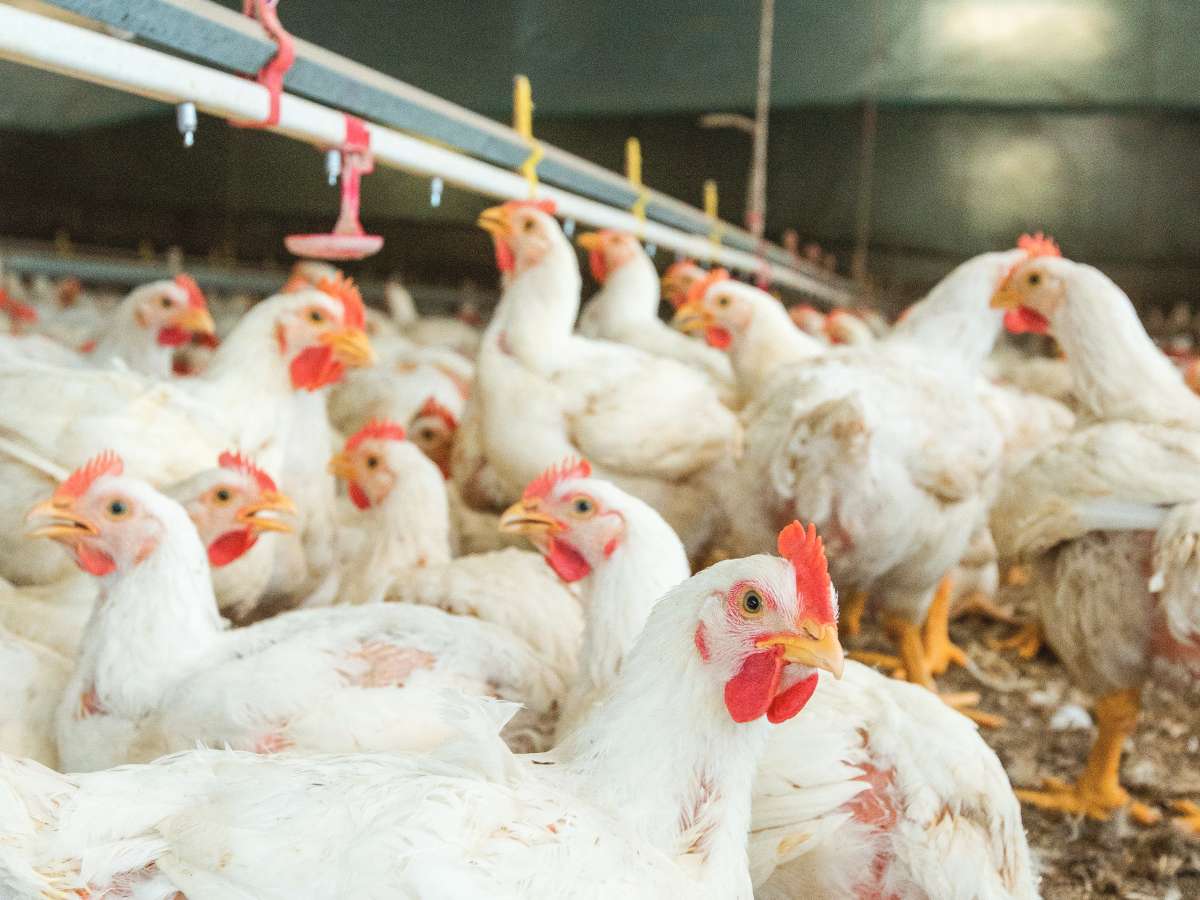 Overall, the use of carbohydrases represents a targeted nutritional strategy to optimize the utilization of alternative feed ingredients and improve the productive and physiological efficiency of broilers, particularly in feeding systems oriented toward cost reduction and the use of ingredients with high compositional variability.
Proteases
Proteases are exogenous enzymes responsible for the hydrolysis of proteins, with significant effects on the release of digestible amino acids and on the reduction of protein‑based anti‑nutritional factors present in plant feed ingredients, such as trypsin and chymotrypsin inhibitors, lectins, and antigenic proteins, which can impair protein digestion and stimulate intestinal inflammatory responses. In broiler chickens, dietary inclusion of proteases improves protein digestion by facilitating the action of endogenous proteases, reducing the amount of undigested protein reaching the distal intestinal tract, and increasing the ileal availability of essential amino acids. The use of proteases is particularly advantageous in formulations characterized by reduced dietary protein or amino acid levels, as well as in the presence of alternative protein sources to soybean meal, which are often associated with greater compositional variability and lower digestibility. In such contexts, protease supplementation helps release essential amino acids and maintain adequate productive performance, while also contributing to cost reduction through more efficient feed formulation. Furthermore, recent evidence indicates that protease supplementation may exert positive effects on meat quality parameters, improving technological traits such as water‑holding capacity and pH stability in the pectoralis major muscle. These effects contribute to better final product quality and greater carcass uniformity.
Conclusions
In conclusion, the use of exogenous enzymes in broiler diets enhances digestive efficiency and nutrient utilization by counteracting the anti‑nutritional factors present in plant‑based feed ingredients. Phytases, carbohydrases, and proteases exert complementary actions that support productive performance and intestinal health, contributing to the environmental sustainability of poultry production systems.
Apa Reaksi Anda?
 Suka
0
Suka
0
 Kurang Suka
0
Kurang Suka
0
 Setuju
0
Setuju
0
 Tidak Setuju
0
Tidak Setuju
0
 Bagus
0
Bagus
0
 Berguna
0
Berguna
0
 Hebat
0
Hebat
0