





























Incubation intelligence: optimizing conditions for chick quality and performance
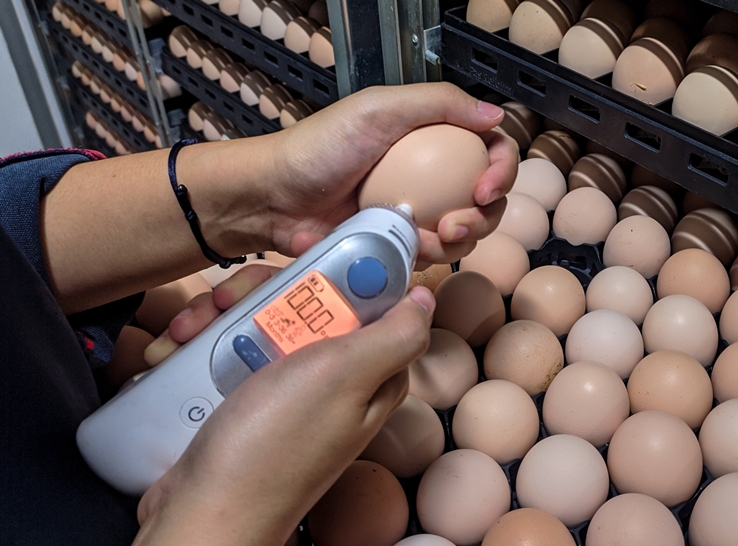
Keeping a close eye on incubation conditions is key to improving hatchability, chick quality and reducing 7-day mortality, according to hatchery expert Mike Wineland, PhD, a former poultry science professor at North Carolina State University and owner of Hatchery Consult, LLC.
Developments in modern poultry genetics mean controlling incubation conditions is more important than ever, Wineland said. He discussed the principles during a presentation on embryo development at the 2026 American College of Poultry Veterinarians Workshop.
In this follow-up interview for Modern Poultry, he explained that hatcheries need to closely monitor eggshell temperature, humidity, ventilation and turning, as well as calibrate equipment regularly to ensure air moves uniformly around the eggs. Egg handling, storage and proper egg orientation also need to be managed consistently to support uniform embryo development and a tight hatch window.
“We’ve got birds that have been genetically improved, and they require very careful incubation processes to produce the quality chicks we want in the field,” Wineland said.
Some biological variation is inevitable, but good practices can limit that variation, ensuring embryos are in the proper position at the time of in ovo vaccination and chick quality is optimized.
Matching incubation conditions to embryo development
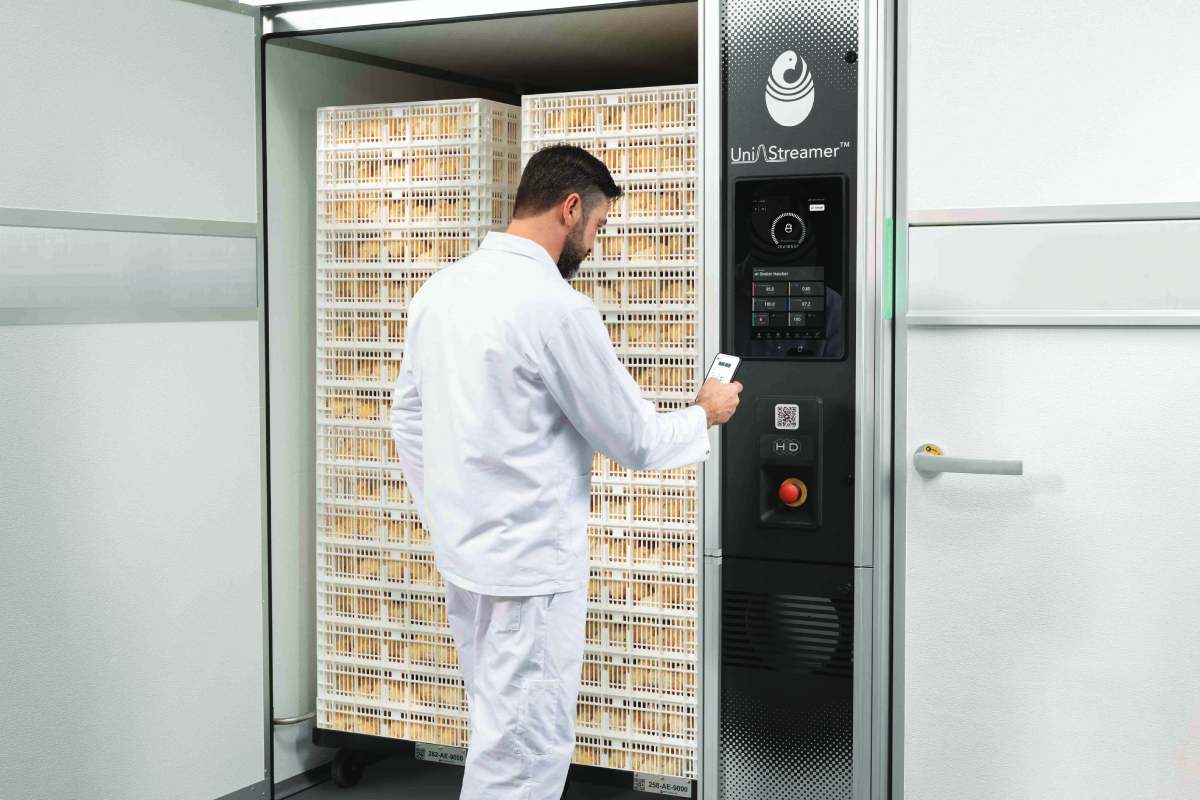
Choosing the correct hatchery equipment is an important starting point. Wineland favors single-stage incubation systems over multi-stage because they allow hatcheries to adjust temperature, ventilation and humidity according to embryo development stage. This gives hatcheries greater control over the incubation environment and makes it easier to meet the needs of modern bird genetics and in ovo vaccination programs.
“In multi-stage systems, we’re working with an average temperature. It’s probably ideal for the second week of incubation, but in the first week it’s slightly lower than desired, and in the third week it is more difficult to regulate the embryo temperature when you’ve got excess metabolic heat being produced by the older embryos,” he noted.
Keeping temperature under control
Temperature is the primary driver of embryo growth, making it one of the most important conditions to monitor. Incorrect calibration can cause abnormalities, alter organ maturation and increase embryonic mortality. Excessive embryonic temperatures can alter proper maturation of various organ systems such as the bursa and thymus, two organs central to immune function. Uneven temperature during incubation can also affect chick quality.
Wineland recommends maintaining an eggshell temperature of 100°F (37.8°C) in a single-stage incubator. Hatchery teams should regularly measure eggshell temperatures, calibrate sensors and ensure air moves uniformly over the eggs, as this will help remove excess metabolic heat from older embryos.
Workers should also inspect incubator fans and listen for unusual noise or vibration, he said, recalling one hatchery where early hatch in a multi-stage incubator was traced to a fan with only two blades instead of the usual four, reducing airflow. The reduced airflow meant embryos retained more metabolic heat, causing chicks to hatch earlier than expected.
Humidity, moisture loss
Incorrect humidity threatens hatchability and chick health, whether too low or too high, Wineland explained. “Humidity governs the rate of moisture loss from the egg, and that in turn affects the size of the air cell. If the egg doesn’t lose enough moisture, the air cell is really small, and we tend to see reduced hatch,” he continued.
Not all eggs from a particular flock lose moisture at the same rate. Hatchery managers often determine percent moisture loss, but they have only an average value for the eggs. Variation between eggs is caused by eggs with different pore numbers, pore diameters or pore length (eggshell thickness).
Moisture loss in individual eggs provides an indicator of the variation in how effectively oxygen and carbon dioxide are exchanged between the egg and its environment. Additionally, different breeds can vary in their capacity for gas exchange because of different eggshell properties.
Hatcheries once added humidity inside incubators, but this is no longer recommended, Wineland noted. “Running that humidity created localized evaporative cooling, so some eggs incubated cooler than others, causing a wider hatch window and the potential for poor quality chicks,” he said.
Instead, the focus should be on maintaining stable humidity and temperature conditions in hatchery hallways to allow controlled moisture loss.
“Any of the incubators can operate now without humidity in them if you precondition the hallways that are providing the air to the machines,” he stressed.
Ventilation, chick development
Insufficient oxygen, especially during the plateau stage of oxygen consumption, can affect birds.
The effects can continue after hatch. Underdeveloped metabolic organs can affect chick health, while muscle development lost during incubation cannot be recovered later.
“All of the muscle fibers an embryo has, it has at the time that it hatches. Out in the field they just grow. If we destroy those muscle fibers, then the chick that hatches will not reach its genetic potential,” Wineland explained.
One warning sign is excessive amounts of uric acid, which appears as a white paste lining the inner surface of the shell. Along with large yolk sacs and poor muscle development, excess uric acid can indicate metabolic stress during late incubation. Systematic examination of unhatched eggs and shells can help hatcheries identify these issues and refine ventilation, hallway conditions and maintenance.
“If we have insufficient oxygen to an incubator, the embryos can redistribute blood flow. They favor the heart and the brain to stay alive, at the expense of liver, yolk sac and muscle – and that’s where we see problems,” he said.
At one facility experiencing hatch problems in a single hallway, Wineland found the fresh-air dampers on the HVAC system had been closed, causing stale air to recirculate.
“That’s going to reduce the oxygen level in the hallway, which is going to influence the respiration of the embryos and in turn cause the poor hatch they were getting,” he said.
Making maintenance part of incubation management
Although technology can help hatchery teams monitor incubation conditions, Wineland said it does not replace regular checks, including listening and watching for changes in the hatchery hallways.
Well-informed maintenance personnel are among the most important people in the hatchery when it comes to meeting key performance indicators, he added.
“If you’ve got good maintenance people and they know what to do and the importance of why they are doing it, the hatchery is going to be successful.”
Ensuring incubator dampers and HVAC systems are operating correctly, and that air exchange in the incubator is uniform, requires an integrated approach to monitoring both incubators and their surrounding environment, Wineland continued.
“Where hatcheries really get good results is where they can monitor eggshell temperatures, make sure the incubators get calibrated on a regular basis and check that the turn angle is correct – because turning affects yolk sac and chorioallantoic membrane development as well as airflow, and that’s what removes excess metabolic heat,” he said.
Ultimately, hatchery managers need to look beyond the incubator itself. Modern poultry genetics leave less room for management errors, making the wider hatchery environment just as important as the incubators.
“We’ve got to be concerned about the environment in the hatchery itself because that’s going to influence how the incubators run, and how the incubators run is going to influence what happens to embryo development inside the egg,” he added.
Editor’s note: Content on Modern Poultry’s Industry Insights pages is provided and/or commissioned by our sponsors, who assume full responsibility for its accuracy and compliance.
The post Incubation intelligence: optimizing conditions for chick quality and performance appeared first on Modern Poultry.
Apa Reaksi Anda?
 Suka
0
 Kurang Suka
0
 Setuju
0
 Tidak Setuju
0
 Bagus
0
 Berguna
0
 Hebat
0