






























Toxin Calls Regarding Apoquel Increase
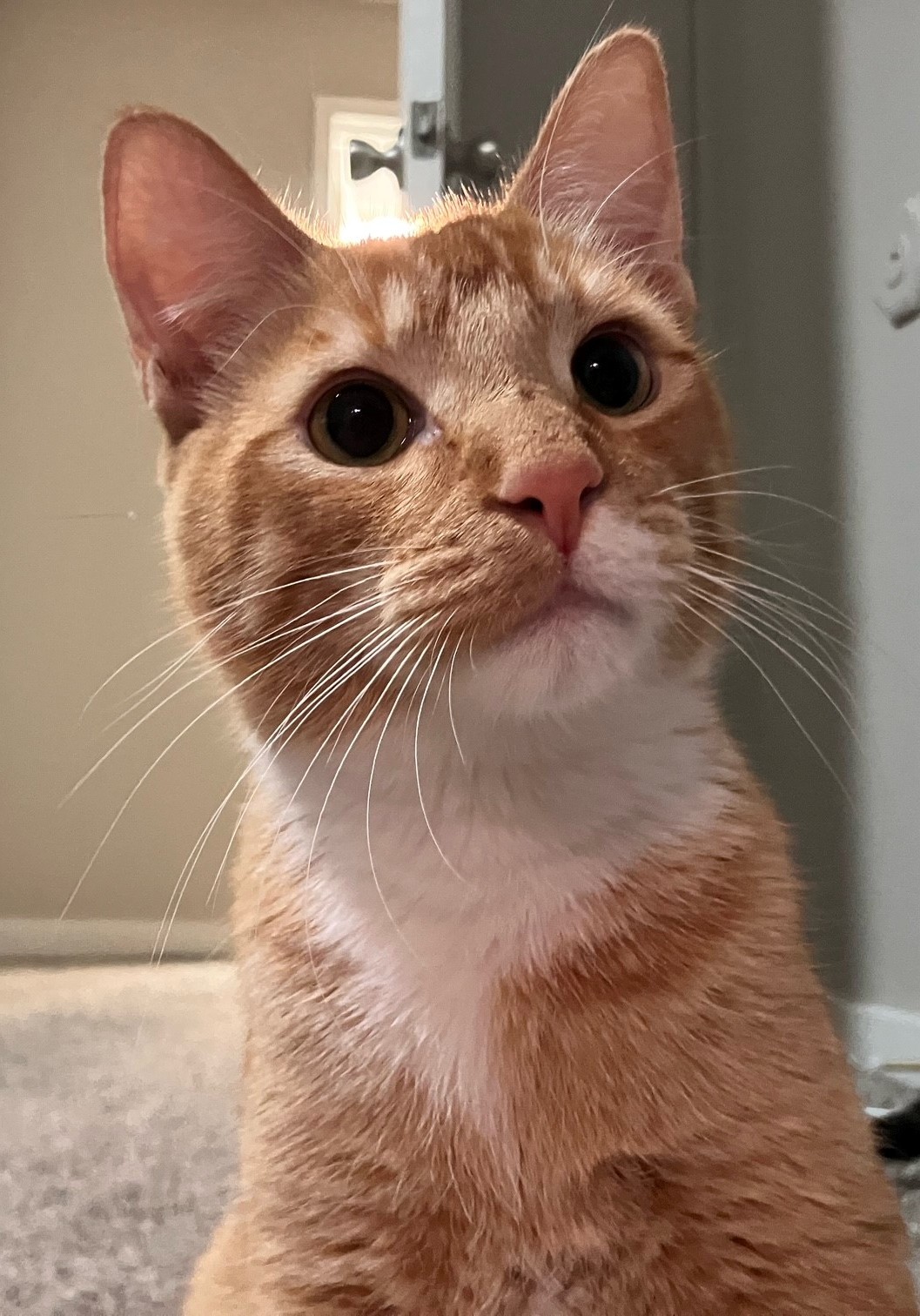
When Grace got home from work and found an empty bottle of Apoquel® on the floor, she knew one of her pets was in trouble. The problem is she shares her home with five cats and a dog. She knew it wasn’t her dog, since he went to work with her, so it had to be one of the cats.
“We had just refilled my dog’s prescription for Apoquel, so I knew there were 13 pills left in the bottle,” explained Grace, who lives in Indiana. “When I got home, I found the bottle on the floor, and it was empty. Although I have five cats, only Tangerine was showing signs. He must have knocked it off the shelf and chewed it open. His third eyelid was elevated and his eyes were squinty, so I called Pet Poison Helpline.”
The toxicology experts at Pet Poison Helpline quickly identified this as a potentially toxic ingestion and recommended that Grace take all five cats to the veterinarian for evaluation because the amount needed for potential concern with each cat was low. Since Tangerine was the only pet showing signs, Grace decided to only take Tangerine in for treatment.
“Over the last few years, we have seen an increasing number of calls regarding Apoquel, so we wanted to educate pet lovers about the danger this medication can pose in large overdoses and in unprescribed pets,” said Dr. Renee Schmid, a senior veterinary toxicologist and director of Veterinary Medicine at Pet Poison Helpline. “When Grace contacted us, we recommended that she take all five cats to the veterinarian to be safe. If she was only going to take Tangerine in, we advised her to closely monitor her other cats at home for vomiting, diarrhea, lethargy, anorexia and ocular changes.”
Once at Veterinary Care and Emergency Specialist South in Indianapolis, the medical team called Pet Poison Helpline back for treatment recommendations. Each caller is given a case number, and the one-time consultation fee covers all calls from both pet owners and medical professionals regarding that specific case and pet.
“Several factors had to be considered regarding Tangerine’s situation,” Dr. Schmid continued. “He ingested medication designed specifically for another species. He not only ingested enough medication to cause gastrointestinal upset, but also a decrease in white blood cells and ocular, cardiovascular, hepatic and renal effects. Tangerine’s bloodwork showed the liver and kidney were already being affected and this ingestion was likely to be fatal if left untreated.”
Tangerine stayed in the hospital for two days, where he was treated with intravenous fluids to help support the kidneys, medication to support the liver, therapy to help remove the toxin from the body and cardiovascular support. They closely monitored his heart rate and blood pressure, bloodwork, and any changes to his eye pressures or tear production. The hard work and diligence by the veterinarians and nursing staff helped ensure Tangerine had a positive outcome. Without their aggressive care, he likely would have developed irreversible kidney damage and potentially never made it back home with his family.
Fortunately, Tangerine has fully recovered and none of the other cats in the household developed any symptoms. Apoquel has been lifesaving for countless dogs who suffer from skin diseases and is not expected to cause concerns when given at the prescribed dose. When ingested in large quantities or by cats, serious consequences can occur, making it imperative for caregivers to ensure Apoquel is stored well out of reach of curious pets.
“Tangerine was a stray we adopted last December,” Grace added. “I’m glad he didn’t have any lasting effects from the medication.”
About Pet Poison Helpline
Pet Poison Helpline®, your trusted source for toxicology and pet health advice in times of potential emergency, is available 24 hours, seven days a week for pet owners and veterinary professionals who require assistance treating a potentially poisoned pet. Per incident and subscription service options are available. We are an independent, nationally recognized animal poison control center triple licensed by the Boards of Veterinary Medicine, Medicine and Pharmacy providing unmatched professional leadership and expertise. Our veterinarians and board-certified toxicologists provide treatment advice for all species, including dogs, cats, birds, small mammals, large animals and exotic species. As the most cost-effective option for animal poison control care, Pet Poison Helpline’s fee of $89 per incident includes follow-up consultations for the duration of the case. The company also offers pethelpline(SM) and pethelplinePRO(SM) subscription services directly to pet lovers. Based in Minneapolis, Pet Poison Helpline is available in North America by calling 800-213-6680. Additional information, including a chat feature for pet owners, can be found online at www.petpoisonhelpline.com.
The post Toxin Calls Regarding Apoquel Increase appeared first on Pet Poison Helpline.
Apa Reaksi Anda?
 Suka
0
Suka
0
 Kurang Suka
0
Kurang Suka
0
 Setuju
0
Setuju
0
 Tidak Setuju
0
Tidak Setuju
0
 Bagus
0
Bagus
0
 Berguna
0
Berguna
0
 Hebat
0
Hebat
0