



























Humidity, the Silent Enemy of Your Anesthesia Machine
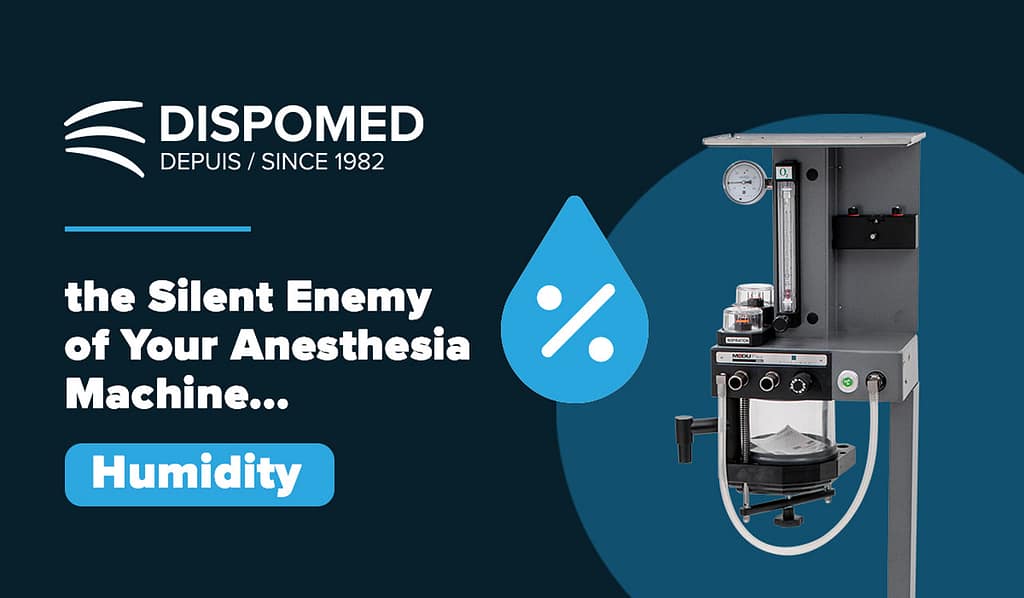
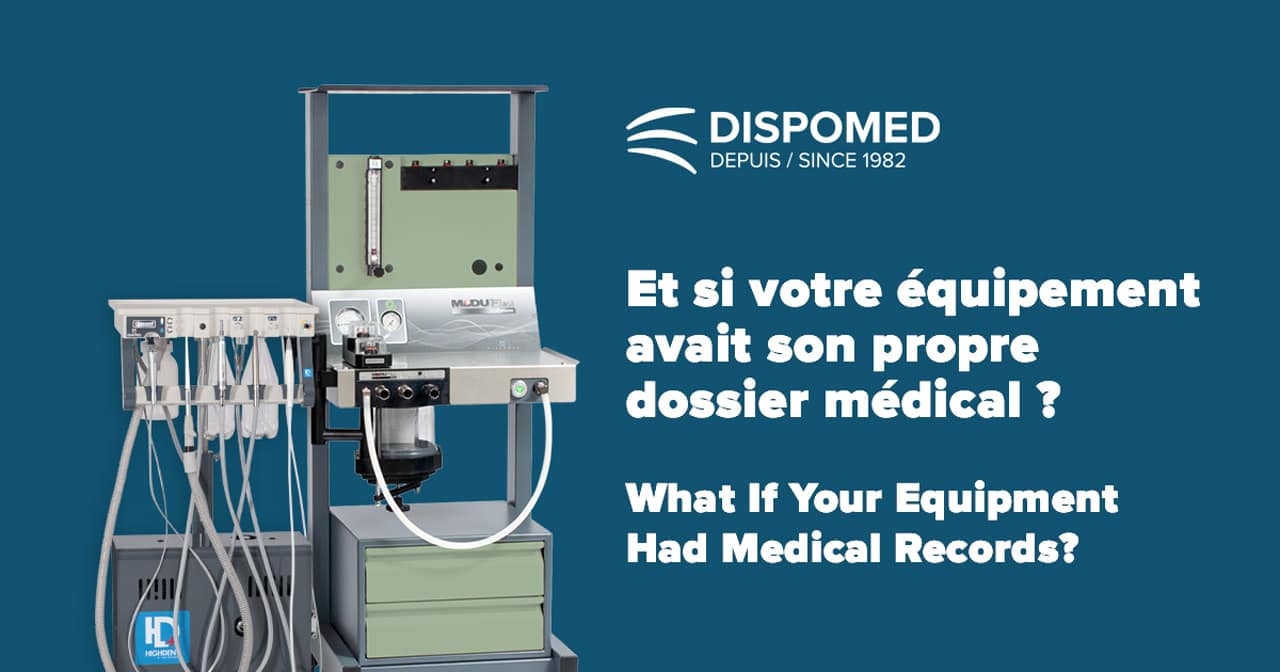
At the end of a day of surgery, attention naturally turns to cleaning instruments and preparing the room for the next day. One element, however, often flies under the radar: the humidity that accumulates inside the anesthesia machine itself. This detail, which may seem minor, can actually have significant consequences for the lifespan of your equipment and, ultimately, for the safety of your patients.
Where Does This Humidity Come From
Every breath a patient takes under anesthesia contains water vapor. With each procedure, this humidity settles into the breathing circuit, the CO2 absorber, and around the inspiratory and expiratory valves. Left without adequate ventilation, day after day, it never fully evaporates. Instead, it accumulates in the corners of the equipment.
Over time, this stagnant humidity leads to several concrete problems. The valve discs begin to stick, which affects their proper function. Humidity also acts like a magnet for dust and animal hair, which stick to it and eventually clog the internal components of the machine. Traces of mold can also appear in the absorber’s internal circuits. Each of these effects compromises not only the reliability of the machine, but also the quality of the anesthesia administered to your patients.
Soda lime itself is not spared either. Its granules are designed to function within a certain humidity range, but when that level becomes excessive because the canister stays closed overnight in a saturated environment, the granules tend to clump together. The lime then becomes exhausted faster than it should, which increases the frequency of replacement and the risk that insufficient absorption capacity goes unnoticed before a procedure.
A Simple Procedure, a Few Minutes a Day
The good news is that this problem is easy to prevent. At Dispomed, we recommend incorporating a short drying routine at the end of each day of surgery.
Here are the steps to follow.
- Make sure the gas evacuation valve is open.
- Remove the breathing bag, patient circuits, and the gas evacuation tube from the back of the machine.
- Open the absorber and remove the soda lime canister to allow the humidity inside it to escape.
- Wipe the bottom of the absorber base to eliminate any trace of residual water or moisture.
- Remove both domes, wipe them with a dry cloth, then place them on a flat surface, opening facing up, to promote proper air circulation.
- Remove the inspiratory and expiratory valves to leave all of the absorber’s internal circuits open and allow the humidity to fully escape.
- Leave the machine this way overnight.
- The next morning, reassemble the machine and perform a leak test before the first use of the day.
A Habit That Makes a Real Difference
Many referral centers already apply this same daily drying principle, with good results. Repeated every day, this few minute routine considerably reduces the risk of sticking discs, unintentional blockages, and avoidable breakdowns, all while extending the lifespan of your equipment and limiting service interventions.
A properly dried machine means a more reliable device, calmer surgeries, and a technical team less burdened by repairs that could have been avoided.
Apa Reaksi Anda?
 Suka
0
Suka
0
 Kurang Suka
0
Kurang Suka
0
 Setuju
0
Setuju
0
 Tidak Setuju
0
Tidak Setuju
0
 Bagus
0
Bagus
0
 Berguna
0
Berguna
0
 Hebat
0
Hebat
0