


























Manage coccidiosis: building resilient broiler systems for Australian production

Coccidiosis remains a major challenge for broiler production, affecting intestinal integrity, nutrient utilisation and flock performance. In Australian production systems, effective management increasingly requires more than a single intervention, combining vaccination, nutrition, microbiome support, environmental management and early monitoring. A proactive, integrated approach can help producers manage coccidiosis pressure, strengthen gut health and flock resilience, and maintain performance as the industry moves towards more sustainable and antibiotic-reduced or antibiotic-free production systems.

Regional Technical Manager – Gut Health
EW Nutrition South East Asia
Gut health is now the defining factor for modern poultry production efficiency. As antibiotic-free systems expand and disease pressure becomes more complex, coccidiosis remains the central disruptive force affecting intestinal integrity and performance.
This feature explores a practical, integrated framework combining nutrition, vaccination, environmental control, and microbiome management—the cornerstone of sustainable poultry production.
HIGHER PRODUCTIVITY MAKES GUT HEALTH INCREASINGLY CRITICAL
As the Australian poultry industry pursues higher efficiency and improved sustainability, and as antibiotic-free and antibiotic-reduced production systems continue to expand, gut health has emerged as one of the most important determinants of flock performance. While nutrition, genetics, and management have all advanced significantly, intestinal health remains the foundation upon which productivity and profitability are built.
THE POULTRY GUT: A MULTIFUNCTIONAL ORGAN
The gastrointestinal tract is far more than a digestive system. It is a complex biological interface where nutrient absorption, immune defense, and microbial interactions occur simultaneously.
A healthy gut performs four critical functions. It is responsible for efficient digestion and nutrient absorption, as well as maintaining intestinal barrier integrity. It also regulates immune responses and supports a stable, diverse microbiome. When these functions operate effectively, birds can achieve optimal growth, feed conversion, and resilience against disease challenges. Conversely, disruption of any component can have significant consequences throughout the production cycle.
As industry understanding of gut health has evolved, it has become increasingly clear that intestinal health should be viewed as the outcome of multiple interconnected systems rather than a single management intervention.
COCCIDIOSIS, AN ENORMOUS CHALLENGE FOR GUT HEALTH
At the center of many gut health challenges lies coccidiosis, a disease that continues to exert a substantial economic impact on poultry enterprises worldwide. More than a standalone disease, coccidiosis often triggers broader intestinal dysfunction, disrupting the microbiome, compromising nutrient utilization, and creating opportunities for secondary enteric diseases.
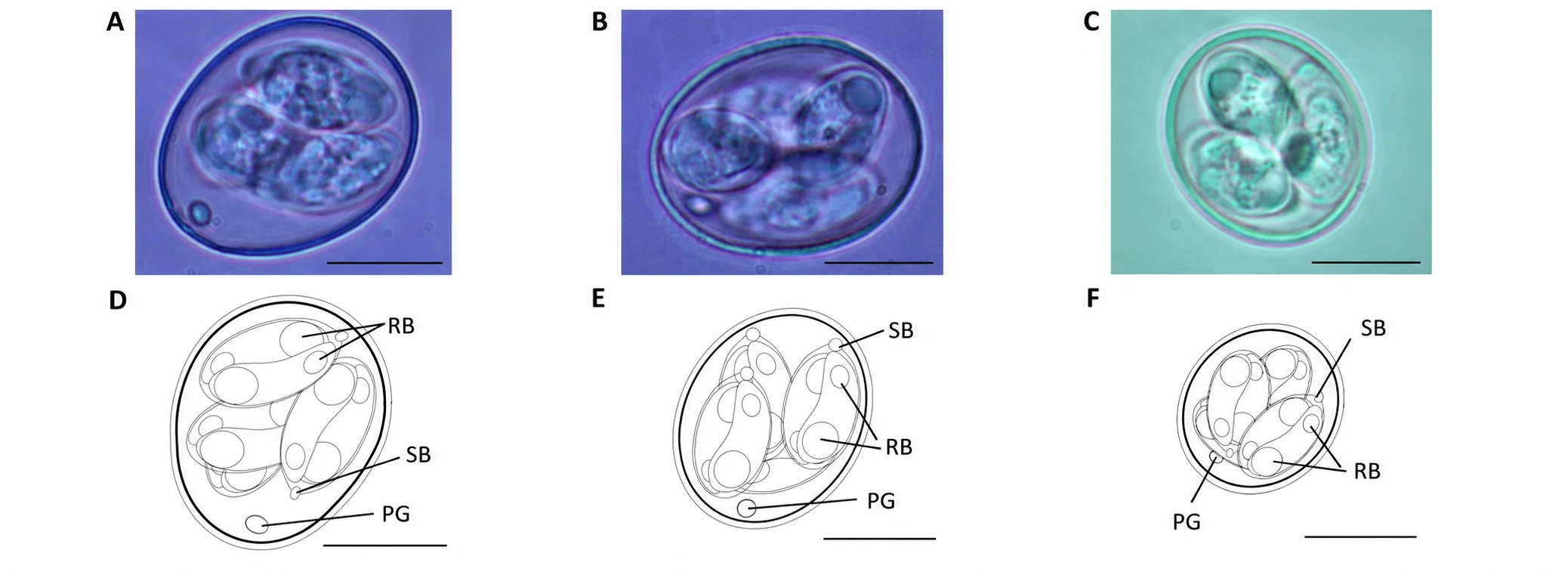
Coccidiosis is caused by protozoan parasites of the genus Eimeria, and the species most commonly associated with production losses in Australia include Eimeria acervulina, Eimeria maxima, Eimeria tenella, and Eimeria necatrix. These parasites invade and damage intestinal epithelial cells during their life cycle, reducing nutrient digestion and absorption and, therefore, impairing growth and feed efficiency. Increased inflammation additionally shifts energy away from growth performance to immune defense and aggravates the situation.
Furthermore, coccidiosis makes animals more susceptible to secondary bacterial infections such as necrotic enteritis and changes the microbiome.
However, it is important to mention that the impact of coccidiosis is not limited to clinical outbreaks. Subclinical infections frequently go unnoticed while still causing measurable reductions in performance and profitability.
 THE HIDDEN CONNECTION BETWEEN COCCIDIOSIS AND DYSBIOSIS
One of the most significant consequences of coccidial infection is its effect on the intestinal microbiome. Eimeria-induced epithelial damage triggers the release of plasma proteins and mucus, alters intestinal transit and inflammatory exudates, thereby creating a nutrient-rich milieu that promotes the proliferation of Clostridium perfringens, the causative bacterium of necrotic enteritis, and other opportunistic microorganisms.
This microbial imbalance, or dysbiosis, often initiates a cascade of events that affects gut health, nutrient utilization, and microbial stability throughout the production cycle and can significantly reduce flock performance even when visible disease signs are limited.
COCCIDIOSIS CONTROL: FROM SINGLE-SOLUTION PROGRAMS TO MORE COMPREHENSIVE STRATEGIES
Historically, coccidiosis control relied heavily on anticoccidials like ionophores or chemicals to reduce parasite replication and minimize intestinal damage. These products still provide effective control; however, resistance development, evolving regulatory expectations, and changing consumer preferences have encouraged producers to diversify their approaches and adopt more comprehensive strategies.
Vaccination to build up a certain immunity
One option is vaccination alone or in combination with anticoccidials. Vaccination has seen growing adoption across Australia and internationally as part of integrated coccidiosis management programs. By exposing birds to controlled levels of Eimeria organisms early in life, vaccination stimulates protective immunity and can reduce dependence on pharmaceutical interventions. However, successful vaccination requires:
• Accurate administration of the vaccine and the coccidiostat (if the coccidiostat is fed too early, immune reaction is reduced; if it is given too late, damage and performance losses can occur),
• 2-3 complete coccidia cycles for effective immunization,
• Appropriate litter management (temperature 25-30°C and moisture 20-30%) so that the oocysts can sporulate properly,
• Close performance monitoring during immunity development.
When implemented properly, vaccination can be the cornerstone of sustainable, long-term coccidiosis control.
 Natural solutions
Saponins are known for their direct effects on oocysts: triterpenoid saponins prevent the growth of protozoan parasites by interacting with cholesterol in the parasite cell membrane, modifying membrane structure and function and resulting in parasite death. Steroidal saponins cause pores in the cell membrane of protozoan parasites. This process can also hinder further sporulation and cause cell death.
To support gut health, tannins can be used. They have antioxidant capacity and mitigate increased gut permeability and inflammation. Additionally, they promote beneficial bacteria, have specific effects on gut health parameters such as villus height and crypt depth, and help improve barrier function.
Strengthening the microbiome
The poultry microbiome is increasingly recognized as a critical contributor to health and performance. A stable microbial ecosystem supports the competitive exclusion of pathogens and the production of beneficial metabolites such as short-chain fatty acids. It also supports the development and regulation of immune function and improves intestinal resilience.
However, the microbiome is highly sensitive to disruption. Coccidiosis, diet changes, environmental stress, and inconsistent management can destabilize microbial populations. This can lead to poorer flock uniformity, increased disease susceptibility, and reduced production efficiency.
Future advances in microbiome science are expected to expand further opportunities for precision gut health management across commercial poultry operations.
Supporting gut health with nutritional interventions
Nutrition plays a central role in maintaining intestinal integrity and supporting resilience against enteric diseases. Diet composition influences gut morphology, microbial populations, and immune responses. It also determines how much undigested substrate is available for opportunistic pathogens in the intestine.
A range of nutritional technologies can contribute to gut health management:
• Enzymes, besides reducing nutrient losses, improve digestibility and lower the supply of fermentable substrates to harmful bacteria.
• Probiotics support microbial balance and enhance competitive exclusion of pathogens.
• Prebiotics selectively stimulate beneficial microbial populations and promote intestinal stability.
• Organic acids, by reducing pH, inhibit pathogen proliferation.
• Phytogenic compounds, such as tannins and saponins, support immune modulation and provide anti-inflammatory and antioxidant benefits. They can be used in integrated coccidiosis programs.
The main principles of all of these compounds are their microbiome-modulating effects (promoting beneficial and, therefore, outcompeting harmful microorganisms) and their digestive effects (the more effectively nutrients are digested and absorbed by the bird, the fewer nutrients remain available to support pathogenic organisms).
Environmental management: an essential but often overlooked factor
Even the most sophisticated nutritional and vaccination programs can be compromised by poor environmental conditions. Litter quality is particularly important because coccidial oocysts require appropriate moisture levels to sporulate and become infective. Excessive litter moisture promotes oocyst survival and accelerates parasite cycling within the shed. Key management practices include maintaining dry litter conditions (not during vaccination!) by minimizing water leakage from drinker systems and preventing diarrhea. Excessively high stocking densities must be avoided to minimize stocking-related stress. Environmental conditions, including ventilation rates, should be monitored consistently and optimized.
Strong environmental management not only reduces coccidiosis pressure but also supports overall flock welfare and performance.
Monitoring and early detection can be decisive
Modern poultry production increasingly relies on proactive rather than reactive management.
Effective monitoring programs may include lesion scoring, oocyst counting (OPG, oocysts per gram), and daily performance assessment.
Producers should also watch for early warning signs such as deteriorating feed conversion ratios, wet litter, poor flock uniformity, and already slightly increasing mortality rates. Identifying trends before clinical disease develops allows producers to implement corrective actions more effectively and economically.
 AN ANTIBIOTIC-REDUCED /-FREE ERA REQUIRES NEW STRATEGIES
Without the historical safety net provided by antibiotic use, producers must rely on a combination of biosecurity, effective vaccination, precision nutrition, microbiome management, environmental control, and data-driven monitoring. In these systems, gut health is no longer simply a performance enhancer—it is a prerequisite for maintaining productivity and flock resilience.
The future of poultry gut health management will likely be characterized by increasingly sophisticated, integrated technologies. Areas of ongoing development include:
• Precision microbiome modulation
• Advanced phytogenic solutions
• Next-generation probiotic technologies
• Data-driven health monitoring systems
• Genetic selection for disease resilience
These innovations will help producers better manage intestinal health while meeting growing expectations for sustainable and responsible poultry production.
WHAT DOES THIS MEAN FOR AUSTRALIAN BROILER PRODUCERS?
Coccidiosis remains one of the most important challenges facing the poultry industry, yet it is no longer a disease that a single intervention can address. Success requires an integrated strategy that combines vaccination, nutrition, microbiome support, environmental management and vigilant monitoring.
For Australian broiler producers, the future of efficient and sustainable production will depend not merely on controlling disease, but on managing the gut as a dynamic biological system. By adopting a holistic approach to gut health, producers can improve bird performance, strengthen resilience and position their operations for long-term success.
About Jerico de Sagun
Jerico de Sagun is a seasoned technical expert with over 24 years of experience in the animal production industry. A graduate of Agribusiness from the University of the Philippines in Los Baños, Sagun has built a solid career delivering science-driven solutions across various roles in animal health and nutrition, specializing in vaccine support, health program implementation, and technical service for major accounts. Currently, as Regional Technical Manager for Gut Health at EW Nutrition, Jerico de Sagun works closely with producers across Southeast Asia & Pacific, providing expert guidance and developing targeted programs to optimize gut health, improve flock resilience, and support antibiotic-free production systems.
Manage coccidiosis: building resilient broiler systems for Australian production yazısı ilk önce Feed & Additive Magazine üzerinde ortaya çıktı.
Apa Reaksi Anda?
 Suka
0
Suka
0
 Kurang Suka
0
Kurang Suka
0
 Setuju
0
Setuju
0
 Tidak Setuju
0
Tidak Setuju
0
 Bagus
0
Bagus
0
 Berguna
0
Berguna
0
 Hebat
0
Hebat
0