



































Think a Doppler Is Enough? What You’re Missing in Anesthesia Monitoring, and Why It Matters


A Doppler is a reliable tool. But in anesthesia, what it doesn’t tell you can make all the difference.
In short
A Doppler is excellent for hearing a pulse and estimating systolic blood pressure. But it doesn’t measure oxygenation (SpO₂), ventilation (EtCO₂), heart rhythm (ECG) or temperature. A multiparameter monitor brings all of this data together continuously and shows how it changes over time, so you can act before a drift becomes an emergency.
In many veterinary clinics, the Doppler is a staple. Practical, easy to use and effective at detecting a pulse, it’s often the first thing you reach for when a patient is under anesthesia. And for good reason: it does exactly what it was designed to do.
That’s also the problem. It only does that.
While a patient is on the table, their body sends continuous signals: the quality of their breathing, the oxygen saturation of their blood, their heart rhythm, their temperature. A Doppler captures none of them. And these missing data points are often what separates an uneventful recovery from an emergency you never saw coming.
What a Doppler Tells You (and What It Doesn’t)
A Doppler detects blood flow. It lets you hear a pulse and, paired with a sphygmomanometer, get a systolic blood pressure reading. That’s useful. But it’s also just about everything it can do.
The 2025 small animal anesthesia monitoring guidelines from the American College of Veterinary Anesthesia and Analgesia (ACVAA) point the same way: oscillometric blood pressure monitoring is presented as the minimum standard, with Doppler suggested as an alternative when that equipment isn’t available.
5 Things a Doppler Doesn’t Show You
Oxygen Saturation (SpO₂)
Is your patient breathing effectively? That’s not the same as breathing. An animal can show an apparently normal respiratory rate while their oxygen saturation drops to a dangerous level. A Doppler will never tell you your patient is desaturating. A monitor with an SpO₂ sensor will.
End‑Tidal CO₂ (EtCO₂ and Capnography)
Capnography measures CO₂ in exhaled air, and it’s one of the most powerful indicators of ventilation in real time. It detects apnea within seconds, flags hypoventilation and helps confirm that the endotracheal tube is properly positioned. Without it, you’re essentially working blind on your patient’s ventilation.
Heart Rhythm (ECG)
A Doppler gives you a sound. It tells you there’s a pulse, but not what kind. Arrhythmias, atrioventricular blocks, ventricular premature complexes: all of these can happen under anesthesia without you ever hearing them. An ECG trace shows you exactly what the heart is doing, beat by beat, in real time.
Temperature
Intraoperative hypothermia is one of the most common and most underestimated complications in veterinary surgery. Anesthetized animals lose heat quickly. Without continuous temperature monitoring, you often discover the problem in recovery, when it’s harder to correct.
Trends, Not Just a Single Value
A blood pressure reading taken once tells you nothing about trajectory. Is it rising? Slowly dropping? Is the patient stable? A multiparameter monitor tracks changes over time and turns a single data point into clinically actionable information.
The Real Question
It’s not whether a Doppler is a bad tool. It isn’t. The real question is: is one window enough to see the full picture?
A patient under anesthesia deserves comprehensive monitoring. Not because something will necessarily go wrong, but because a multiparameter monitor lets you know ahead of time if something is starting to drift, and act before it becomes an emergency.
That’s the kind of monitoring that protects your patient. And your team.
Frequently Asked Questions
A Doppler is reliable for detecting a pulse and estimating systolic blood pressure, but it gives no information on oxygenation, ventilation, heart rhythm or temperature. For complete monitoring, it works best alongside a multiparameter monitor.
SpO₂ reflects blood oxygenation. EtCO₂ mainly reflects ventilation, meaning how well the patient eliminates CO₂. A patient can show a normal SpO₂ while ventilating poorly, especially when receiving a high concentration of oxygen.
At a minimum, blood pressure, SpO₂ and heart rate. Ideally, add capnography (EtCO₂), ECG and temperature for a complete view. The right choice depends on your clinic’s procedures and anesthesia volume.
No. A Doppler remains a useful, complementary tool. It simply shows part of the picture, while a multiparameter monitor shows you the whole thing.
Does Your Monitoring Equipment Meet Your Practice’s Needs?
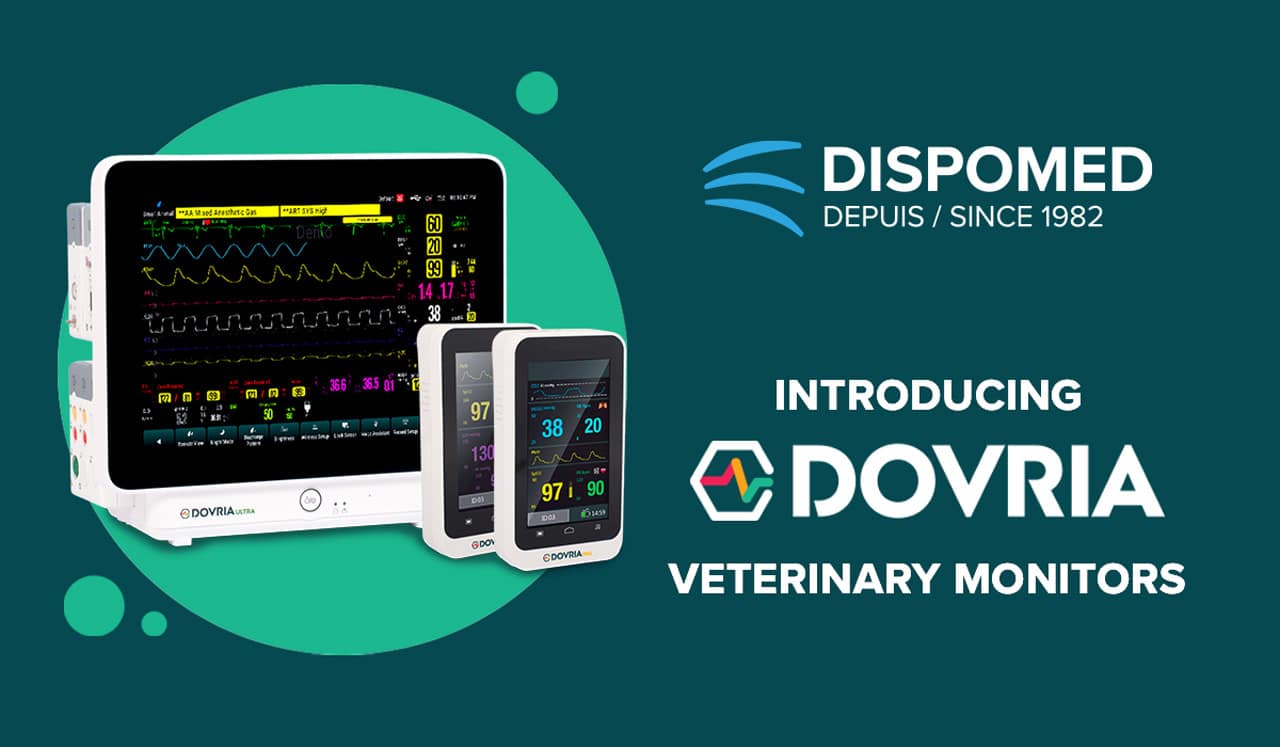
Our team can help you assess your options, from handheld to modular monitors. Discover the Dovria monitor range, offered by Dispomed. The Calm Within Precision.
Apa Reaksi Anda?
 Suka
0
 Kurang Suka
0
 Setuju
0
 Tidak Setuju
0
 Bagus
0
 Berguna
0
 Hebat
0