



























How can we get bird flu under control?
Emergency and laboratory monitoring
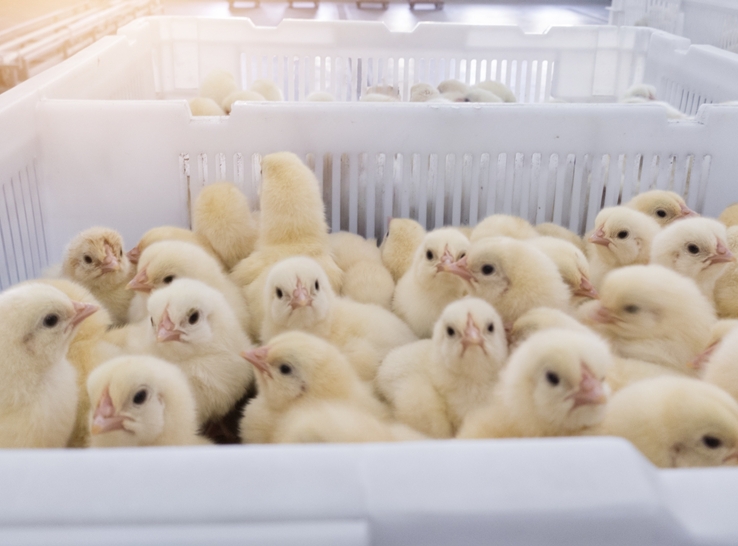
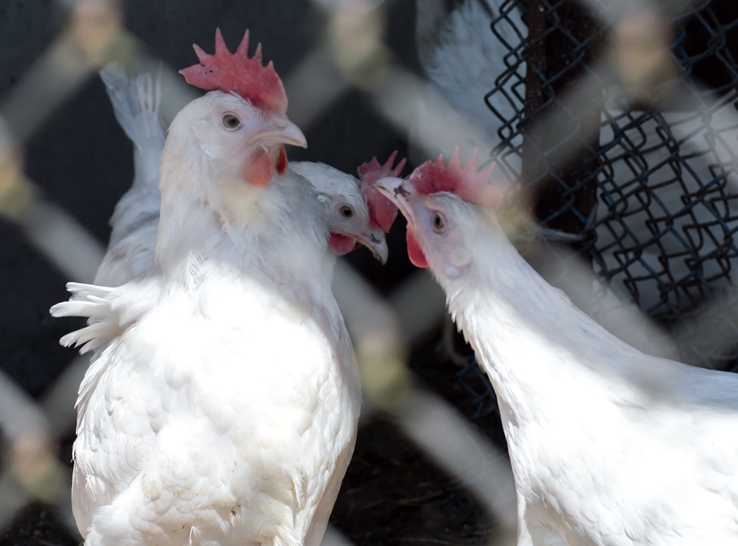
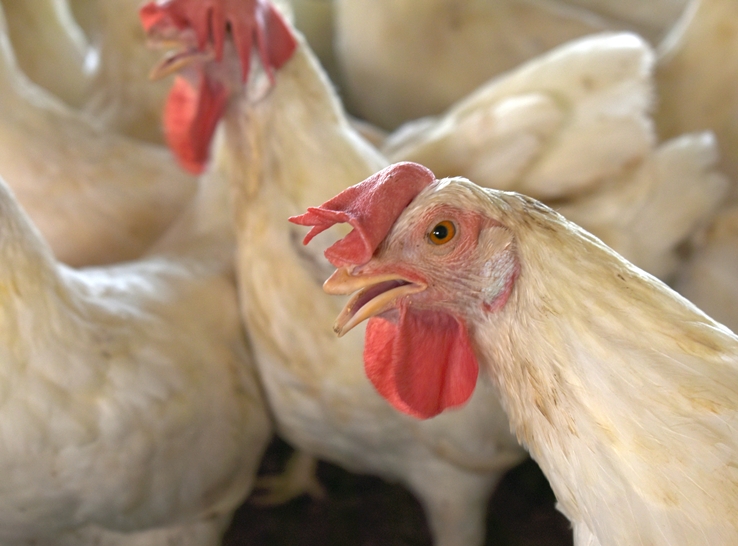
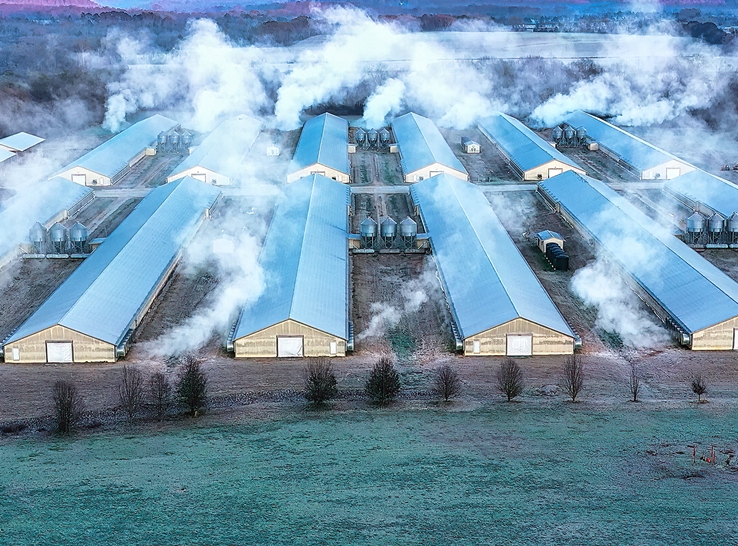
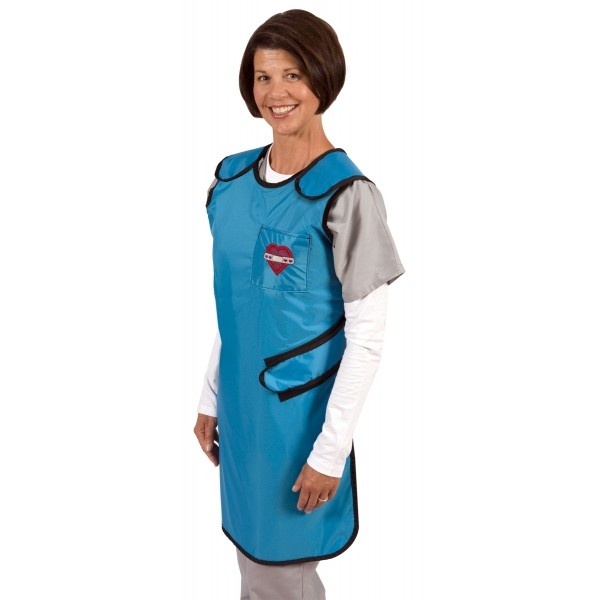
Bird flu is affecting an increasing number of birds in the Netherlands, leading to the culling of tens of thousands of animals, such as the 71,000 chickens culled on a single farm in Drenthe. Because culling alone does not stop the virus—which continues to be introduced by wild birds from Southeast Asia—researchers are seeking long-term solutions. All suspicious samples in the Netherlands are sent to the Wageningen Bioveterinary Research facility in Lelystad. This research takes place in the High Containment Unit (HCU), one of the most secure laboratories in the country, designed to handle highly contagious viruses. Security protocols are extremely strict: researchers must leave all personal items (including jewelry and watches) outside, wear specialized sterile clothing, and shower before leaving to ensure the virus is not carried out on their bodies or hair.
Diagnosis and viral analysis
To test for the virus, researchers use swabs taken from the throat and cloaca of the birds. The virus is transferred into a liquid, and a machine then isolates the RNA. A PCR test is used to multiply the RNA; if the sample crosses a specific threshold, it is confirmed as positive. This process allows researchers to identify subtypes, such as H5. While some variants are “low pathogenic” and cause only mild symptoms, subtypes like H5 and H7 can develop into “high pathogenic” versions that are far more contagious and lethal.
Advanced Sequencing and Containment
Beyond basic diagnosis, researchers now use full genome sequencing to analyze the virus’s entire genetic structure. This allows them to determine if an infection originated from another farm or was introduced by wild birds. It also helps monitor mutations that might allow the virus to adapt to mammals or humans. When an outbreak is confirmed, the NVWA (Netherlands Food and Consumer Product Safety Authority) culls the remaining animals and imposes transport bans on products like eggs. A national housing order (ophokplicht) is often implemented to prevent contact between farmed poultry and wild birds.
Transmission and biosafety
Despite housing orders, infections still occur. Research suggests that while transmission via air/wind is highly unlikely, the virus is often carried into barns by humans via contaminated shoes or hands. Therefore, strict biosafety measures, such as changing clothes and footwear in a dedicated anteroom before entering the stable, are essential. Additionally, because the Dutch landscape of water and grasslands is highly attractive to wild waterfowl, the risk of infection is higher near these areas. To mitigate this, researchers are testing modern “scarecrows” like lasers to keep wild birds away from poultry farms.
Vaccination: the next frontier
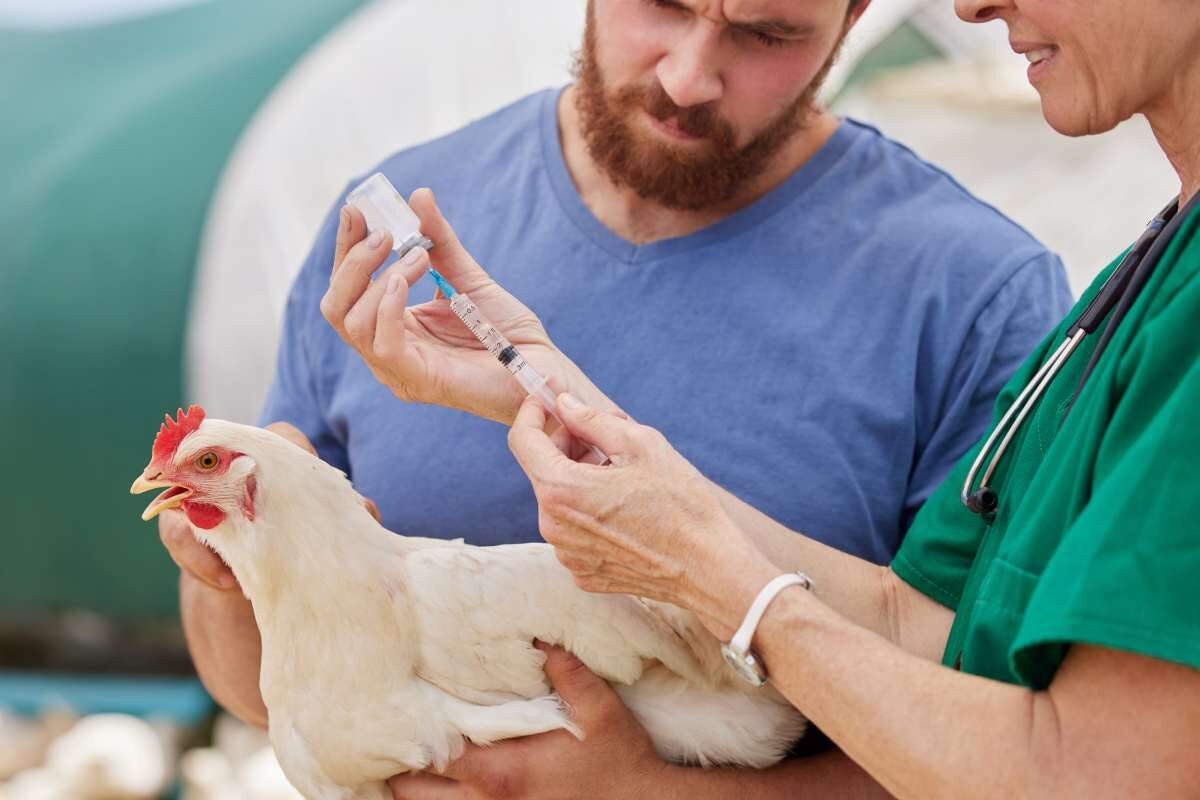
To prevent the annual culling of hundreds of thousands of animals, hope is being placed in vaccination. Experiments in the HCU have shown that certain vaccines not only prevent chickens from getting sick or dying but also effectively stop the transmission of the virus to other birds. The primary risk of vaccination is “silent spread,” where the virus circulates undetected because vaccinated birds show no symptoms. To prevent this, it is crucial to distinguish between antibodies from a vaccine and those from a natural infection. Since the vaccine only contains a small piece of the virus, vaccinated birds only produce antibodies against that specific part, whereas an infected bird produces antibodies against the entire virus. The Dutch ministry is currently using this research to develop a plan for large-scale vaccination.
Apa Reaksi Anda?
 Suka
0
Suka
0
 Kurang Suka
0
Kurang Suka
0
 Setuju
0
Setuju
0
 Tidak Setuju
0
Tidak Setuju
0
 Bagus
0
Bagus
0
 Berguna
0
Berguna
0
 Hebat
0
Hebat
0

Edusehat
Platform Edukasi Online Untuk Komunitas Kesehatan Agar Mendapatkan Informasi Dan Pengetahuan Terbaru Tentang Kesehatan Dari Nasional Maupun Internasional. ||
An online education platform for the health community to obtain the latest information and knowledge about health from both national and international sources.