






























Newcastle disease virus evolution and control strategies
Newcastle disease virus is continuously evolving, and molecular techniques allow the classification of vaccine and field strains in numerous genotypes and subgenotypes, although a unique serotype is currently recognized. Control measures and strategies include biosecurity protocols, usually combined with vaccination programs designed with different types of vaccines and schedules.
Newcastle disease virus
The first documented outbreaks of Newcastle disease (ND) occurred exactly a century ago, in 1926, in Java, Indonesia, and Newcastle-upon-Tyne, England.
The disease, in its highly pathogenic form, is listed in the World Organisation for Animal Health (WOAH) Terrestrial Animal Health Code, and must be reported to the WOAH.
It is a devastating poultry disease that can reach 100% mortality in immunologically naive poultry, and it is caused by virulent strains of Newcastle disease virus (NDV) (Figure 1).
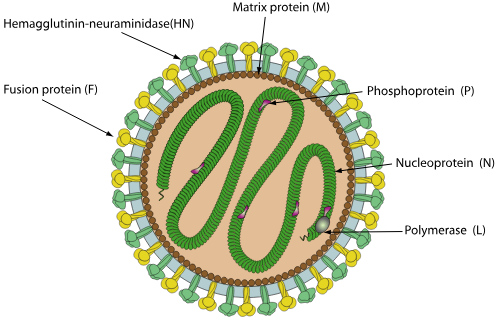
Source: ViralZone – SIB Swiss Institute of Bioinformatics, Creative Commons CC BY 4.0 license
This virus species, recently renamed Avian orthoavulavirus 1, is a member of the family Paramyxoviridae, commonly known as Avian paramyxovirus 1 (APMV-1). ND viruses are enveloped and have a single stranded, non-segmented, negative sense RNA genome, with six genes encoding for at least six structural proteins. Each protein plays a distinct role in the life cycle of NDV: the fusion (F), hemagglutinin-neuraminidase (HN), and large RNA polymerase (L) proteins, have been shown to contribute to the overall pathogenicity of NDV. The HN and F glycoproteins facilitate attachment and membrane fusion and play a central role in inducing virus-neutralizing antibody responses essential for effective protection in poultry. The HN protein is responsible for binding to cell receptors containing sialic acid and the F protein enables viral entry. As with other RNA viruses, the RNA polymerase is error prone, facilitating the generation of genetic diversity.
Virulent strains are defined by WOAH as viruses that have an intracerebral pathogenicity index (ICPI) of 0.7 or higher (2.0 is maximum) or a fusion cleavage site with multiple basic amino acids and phenylalanine at position 1171.
Newcastle disease virus genotyping and evolution
All ND viruses are regarded as members of a single serotype as they elicit antibodies that provide a certain level of cross-protection against any NDV. However, there is considerable genetic diversity among NDVs, with a differentiation in strains of class I (mainly avirulent isolates from wild waterfowl) and class II, detected in poultry and further divided into at least 21 genotypes (I to XXI). There are at least 10% amino acid (aa) sequence differences between genotypes, which are further divided in subgenotypes (a to i, etc.), based on complete F gene sequencing, as proposed by Dimitrov et al., 20192. Indeed, the broad circulation of NDV in poultry populations leads to significant genetic diversity of the virus and constant evolution, with emergence of novel NDV variants. Naturally occurring low virulent APMV-1 viruses found in poultry and wild birds, and vaccines, are limited to genotypes I and II, whereas the most common circulating virulent strains currently belong to genotypes V (North America and Africa), VI and VII (worldwide), XI (Madagascar), XII (Asia, South America), XIII (Asia), and XIV (Nigeria), and recently designated genotypes XVI (Dominican Republic) and XVII and XVIII (Africa).
Pathology and diagnosis
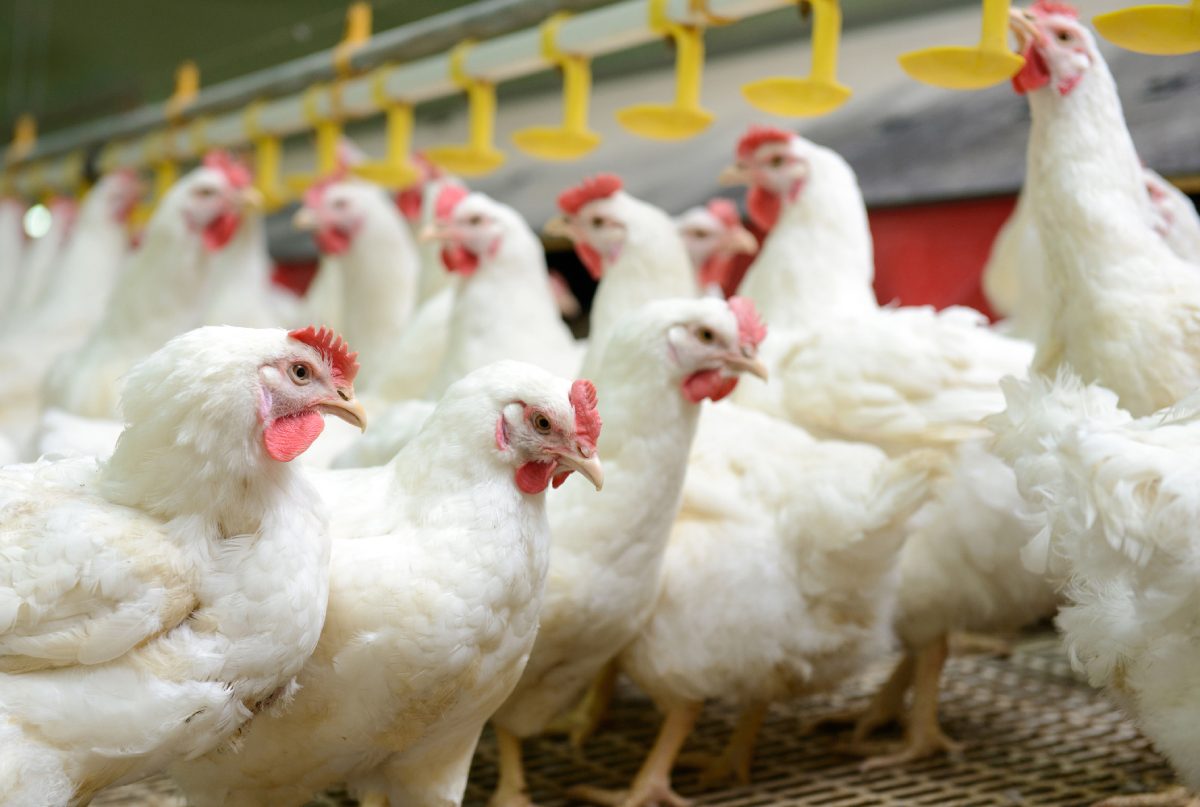
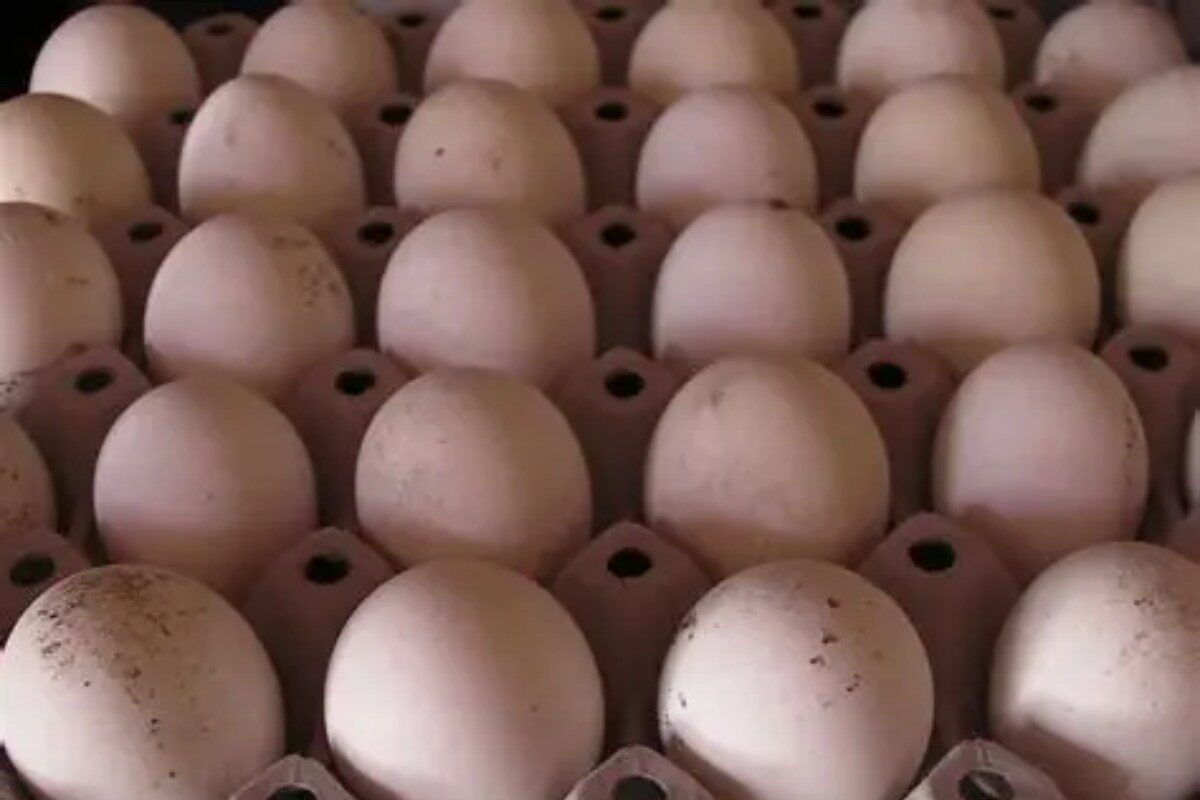
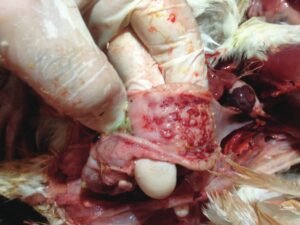
Newcastle disease is among the most important poultry diseases worldwide and remains endemic in many countries throughout Asia, Africa, and the Americas, with sporadic incursions in Europe as well. Chickens infected with NDV show a wide spectrum of clinical signs that vary with different virus strains and can be categorized into three main pathological groups: lentogens are avirulent and cause mild enteric, respiratory or subclinical disease; mesogens cause disease and death primarily in chickens younger than 8 weeks; velogens induce severe systemic infections and lesions in different organs and tissues, with mortality rates approaching 100% in unprotected flocks (Figures 2, 3 and 4). Egg production can be severely affected in laying birds, with egg drops and shell quality problems commonly reported.
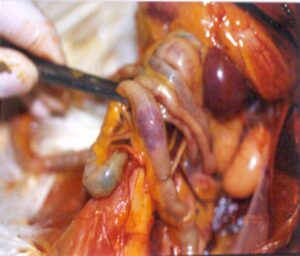
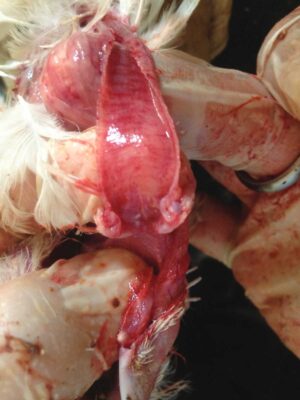
Experienced poultry veterinarians and technicians can put forward a hypothesis of diagnosis of Newcastle disease, based on clinical and postmortem observations. However, several in vivo and in vitro lab methods are available, and normally required, to confirm the diagnosis and to characterize the agent of the disease in terms of pathogenicity and genome sequencing as related to virulence and genotyping. This can be achieved through virus isolation and an in vivo pathogenicity test to define the ICPI of the isolate, and/or by detection of NDV by polymerase chain reaction (PCR) possibly followed by sequencing of the F protein gene, particularly of its cleavage site. Samples for PCR tests can be brought to the lab as “fresh” or frozen tissues and organs, but it is currently very common and convenient to ship samples to a lab using FTA cards (Figure 5).

Additionally, the detection of an immune response to natural NDV infection and/or vaccination, can be accomplished using serological tests based on the enzyme linked immunosorbent assay (ELISA) or the haemagglutination inhibition (HI) test.
Control measures and strategies against Newcastle disease
The control of ND necessarily includes strict biosecurity protocols to prevent the introduction of virulent NDV (vNDV) onto poultry farms, usually combined with effective surveillance programs, as well as with the administration of different vaccines, according to their efficacy and availability in the relevant areas worldwide. In certain countries a stamping-out policy is in place, with the necessary resources available for surveillance and depopulation of affected farms and related compensation of poultry producers.
Current vaccination programs are based on conventional live attenuated and inactivated vaccines, as well as on vectored products mostly based on herpesvirus of turkeys (HVT) as the vector, with the insertion of the F gene, taken from a NDV donor and used as such or artificially modified, into the HVT genome.
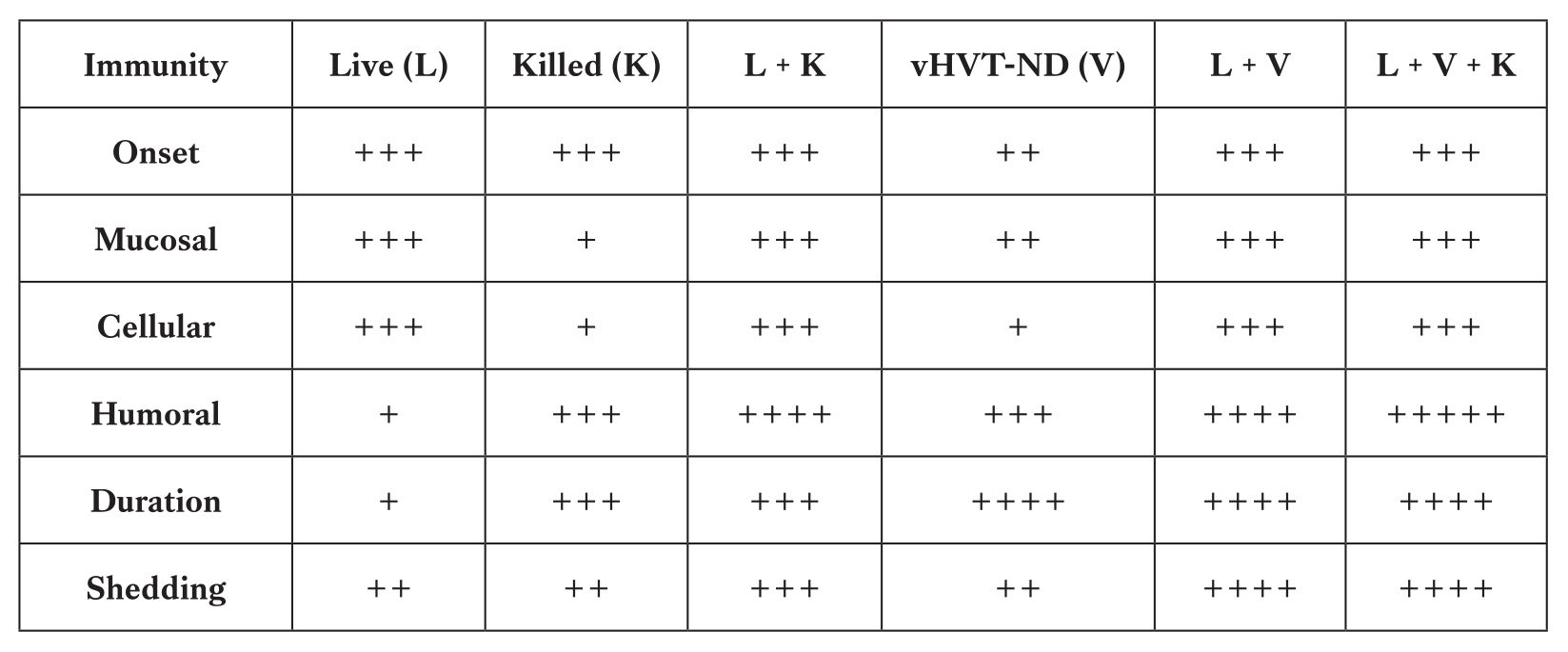
The individual protection against ND can rely on diverse immune mechanisms, differently triggered according to the type of vaccines used. Live attenuated vaccines induce the quickest response, mainly based on cellular and local immunity, the latter related to production of local antibodies, IgA class, at the sites of replication of the vaccine, particularly in the respiratory and intestinal mucosa, and in the conjunctiva. With this type of vaccines, usually administered by mass spray or drinking water or eye-drop when possible, production of humoral antibodies, IGM and IgY, is detectable but at relatively low titres. The peak of protection is normally achieved around 2-3 weeks after vaccination, but the duration after a single dose is limited to further few weeks. On the other hand, inactivated vaccines induce predominantly humoral antibodies, though at high levels, with their peak around 3-5 weeks after individual parenteral injection, and persistence for several months.
Vectored vaccines, as single HVT-ND or as double HVT-ND-IBD or HVT-ND-ILT or HVT-ND-AI, administered at the hatchery via in-ovo or subcutaneous injection, can induce good level of circulating antibodies, as of 3-4 weeks of age, besides limited cell-mediated immunity, with the longest duration of protection as supported by the long-lasting replication and expression of this type of vaccines.
It is therefore clear that vaccination programs with the combination of live attenuated ND vaccines, and a vector HVT-ND vaccine, will consolidate all the respective advantages in terms of early onset and spectrum of immunity, with the longest achievable duration. Equivalent effects can be achieved combining live and inactivated vaccines, although with a shorter duration of immunity.
An additional advantage of live vaccines is represented by the most effective decrease of viral shedding after NDV challenge, when they are combined with vectored or inactivated products, as compared with the latter vaccines used without a live priming (Table 1).
Many studies show that properly designed vaccination programs can provide robust protection against the different genotypes and subgenotypes circulating worldwide.
According to the immune mechanisms described above, it is recommended to include live vaccines in the programs, to induce an early onset of immunity and a solid local protection at the sites of entry and replication of NDV.
An additional relevant factor for designing vaccination programs against ND, is the duration of life of poultry flocks to be vaccinated: long-living birds, such as breeders or commercial layers, normally require one or more doses of live vaccines, particularly during the rearing period, boosted with a vectored HVT-ND-vaccine at the hatchery, and/or an inactivated ND vaccine before the onset of lay: such strategy can protect this type of birds against clinical signs and egg production problems all along their production cycles.
Vaccines and vaccination programs can be effective or doomed to failure, depending on the quality of the whole vaccination process and on a suitable monitoring of the vaccination effectiveness.
All that said, the control measures and strategies described above can lead to an effective control of ND in the production units and integrations where they are normally implemented. However, the same programs may not always be successful when in the same area different poultry farms co-exist without a homogeneous and consistent level of their respective control programs. This is particularly evident in countries or areas with high density of poultry farms, especially when they belong to different organizations. Such critical point could effectively be managed if a comprehensive set of measures and protocol was defined and timely adjusted and coordinated by an authority or an entity designated and recognized at country and/or regional level, with the appropriate profile, decision-making power and resources: this would possibly minimize the risks associated with not homogeneous and not comprehensive ND control plans, particularly where vND is endemic or occurs rather frequently.
References
- World Organisation for Animal Health. (2024). Manual of diagnostic tests and vaccines for terrestrial animals: Newcastle disease. OIE.
- Dimitrov, K. M., Afonso, C. L., & Miller, P. J. (2019). Newcastle disease: Current status and our understanding of the virus evolution. Infection, Genetics and Evolution, 74, 103383. 10.1016/j.meegid.2019.103917
Apa Reaksi Anda?
 Suka
0
Suka
0
 Kurang Suka
0
Kurang Suka
0
 Setuju
0
Setuju
0
 Tidak Setuju
0
Tidak Setuju
0
 Bagus
0
Bagus
0
 Berguna
0
Berguna
0
 Hebat
0
Hebat
0