






















Getting more from today’s coccidiosis control tools

With no new anticoccidial drugs expected anytime soon, poultry producers are being pushed to get more out of the tools they already have. In the second installment of Phibro Academy’s three-part webinar series, “Coccidiosis Tools and Strategies,” Greg Mathis, PhD, president of Southern Poultry Research, Inc., made it clear that effective coccidiosis control today depends less on new product development and more on how well existing strategies are combined.
Mathis outlined three primary approaches to control — anticoccidial drugs, vaccines and phytogenics — emphasizing that each plays a distinct role in improving performance, reducing mortality and maintaining flock uniformity.
Why subclinical coccidiosis still matters
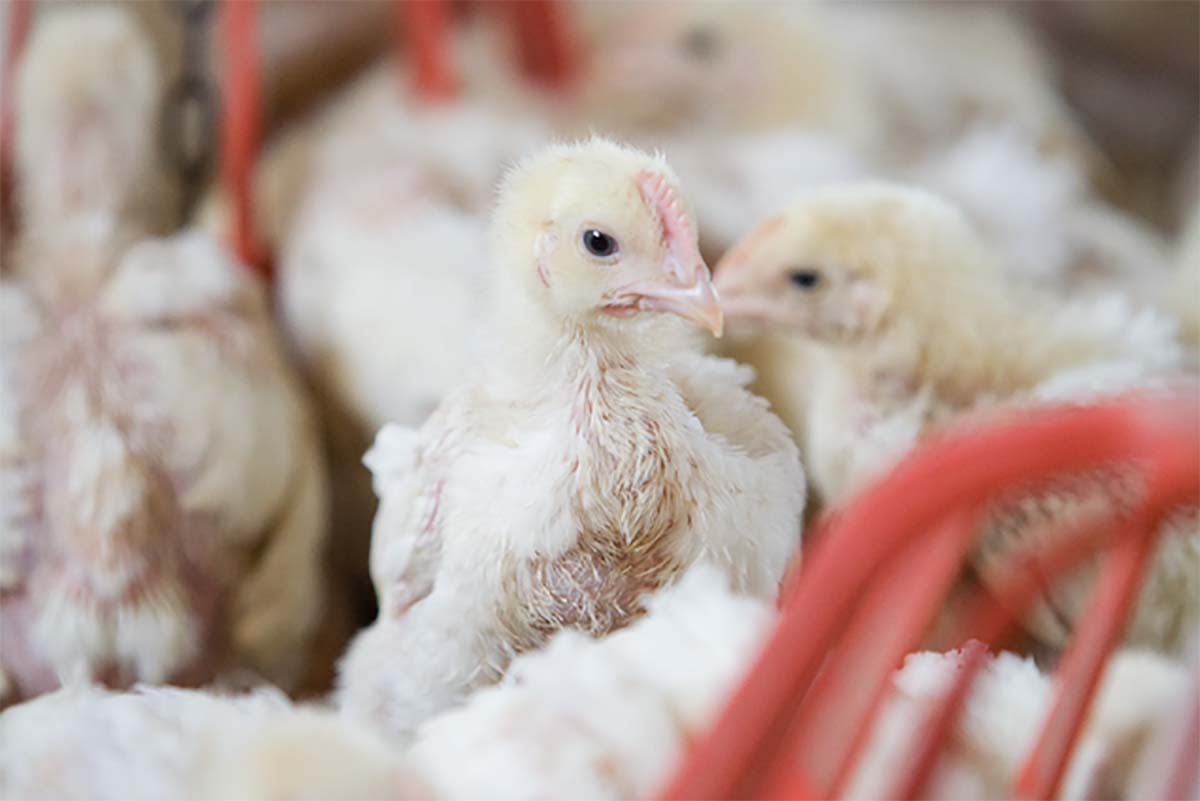
Coccidiosis is fundamentally a disease of intestinal damage, disrupting digestion and nutrient absorption and reducing performance. Even low-level infections can carry measurable economic consequences, particularly when they occur later in the grow-out.
Research has shown that even mild infections can impair nutrient absorption and reduce weight gain, reinforcing the importance of consistent control throughout the production cycle.
Among the major Eimeria species, E. maxima stands out as especially important. Its location in the mid-intestine, deeper tissue damage and associated mucus production make it a key contributor to necrotic enteritis by creating a favorable environment for Clostridium perfringens.
No new drugs on the horizon
One of the clearest realities facing the industry is the lack of new anticoccidial drugs.
Mathis said the industry should not expect any new standalone anticoccidial drugs in the foreseeable future.
That leaves producers relying on the same core set of tools — reinforcing the need to use them more strategically.
Ionophores, synthetic anticoccidials still anchor control
Despite changes in production systems, anticoccidial drugs remain foundational. Ionophores continue to provide a balance of direct parasite control and controlled cycling that allows immunity to develop, making them one of the most practical and economical approaches available.
Synthetic anticoccidials offer strong, broad-spectrum activity across multiple life stages of the parasite. Their potency makes them valuable in high-challenge situations but also underscores the need for careful use to avoid accelerating resistance.
Together, these products remain central to control programs, even as their role evolves within more integrated strategies.
Vaccination continues to expand
Vaccination has become an increasingly important tool, particularly in systems reducing antibiotic use. By providing early, controlled exposure, vaccines stimulate immunity that protects birds later in the grow-out.
Mathis noted that vaccination offers an important advantage in resistance management. It does not drive resistance and can help shift coccidial populations toward more drug-sensitive strains while building strong immunity by 28 to 35 days of age.
Bio-shuttle programs bridge the gap
Bio-shuttle programs combine vaccination with targeted anticoccidial use to manage peak infection pressure. By modulating coccidial cycling at critical points, these programs reduce the severity of infection without compromising immunity.
In research trials, this approach improved feed conversion and weight gain, highlighting the practical value of combining strategies rather than relying on a single tool.
Phytogenics play a supporting role
Interest in phytogenics — including saponins, essential oils and tannins — continues to grow, particularly in no-antibiotics-ever programs. Although these products cannot provide significant anticoccidial or antibacterial effects, they can improve immunity development and reduce intestinal inflammation. Thus, their role is supportive rather than primary.
“They shouldn’t be used as a sole program… they are better as a support role for drugs and for vaccines,” Mathis said.
Research has shown that saponins and polyphenols can modulate inflammation and immunity development, reduce lesion severity and improve nutrient digestibility. When used alongside ionophores or vaccines, they can contribute to improved feed conversion and overall performance.
Not all alternatives behave the same
One key challenge with phytogenics is variability. Differences in source material, processing and formulation can lead to inconsistent results.
Mathis cautioned that higher inclusion levels of some phytogenic products can reduce feed intake and negatively impact performance if not managed carefully.
That variability makes careful product selection and program integration essential, particularly when used alongside vaccination.
Integration is the future
If the first webinar in the series emphasized preserving anticoccidials through rotation, this session underscored a complementary reality: long-term success depends on how well those tools are combined.
Drugs provide consistency and strong control. Vaccines build immunity and help shift sensitivity. Phytogenics support gut health and modulate immunity.
“We can manage coccidiosis, but we need to utilize all the tools we have — drugs, vaccines and alternatives,” Mathis said.
This article is based on the second session in Phibro Academy’s three-part webinar series, “Coccidiosis tools and strategies.” To access the full webinar series, click here.
The post Getting more from today’s coccidiosis control tools appeared first on Modern Poultry.
Apa Reaksi Anda?
 Suka
0
Suka
0
 Kurang Suka
0
Kurang Suka
0
 Setuju
0
Setuju
0
 Tidak Setuju
0
Tidak Setuju
0
 Bagus
0
Bagus
0
 Berguna
0
Berguna
0
 Hebat
0
Hebat
0