


































Russian poultry producers face margin pressure as costs rise and market conditions shift
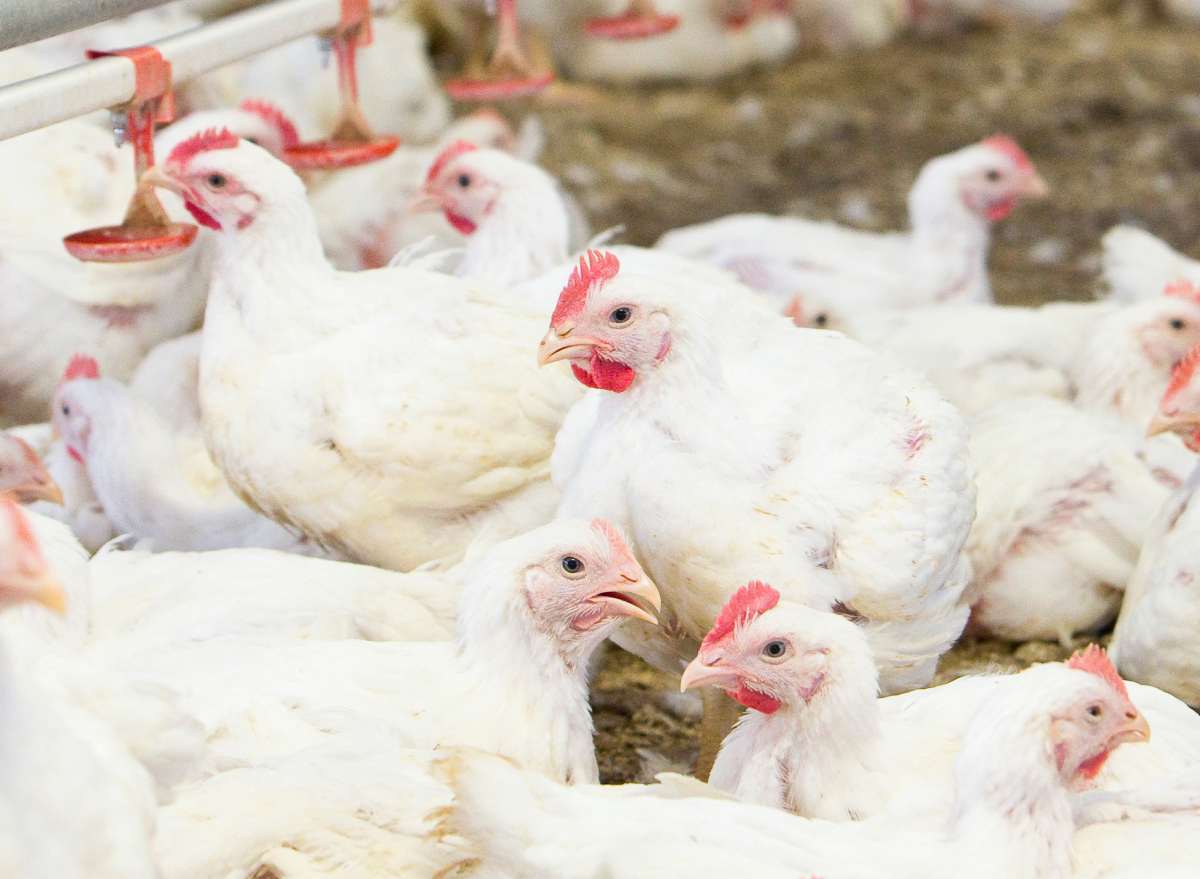
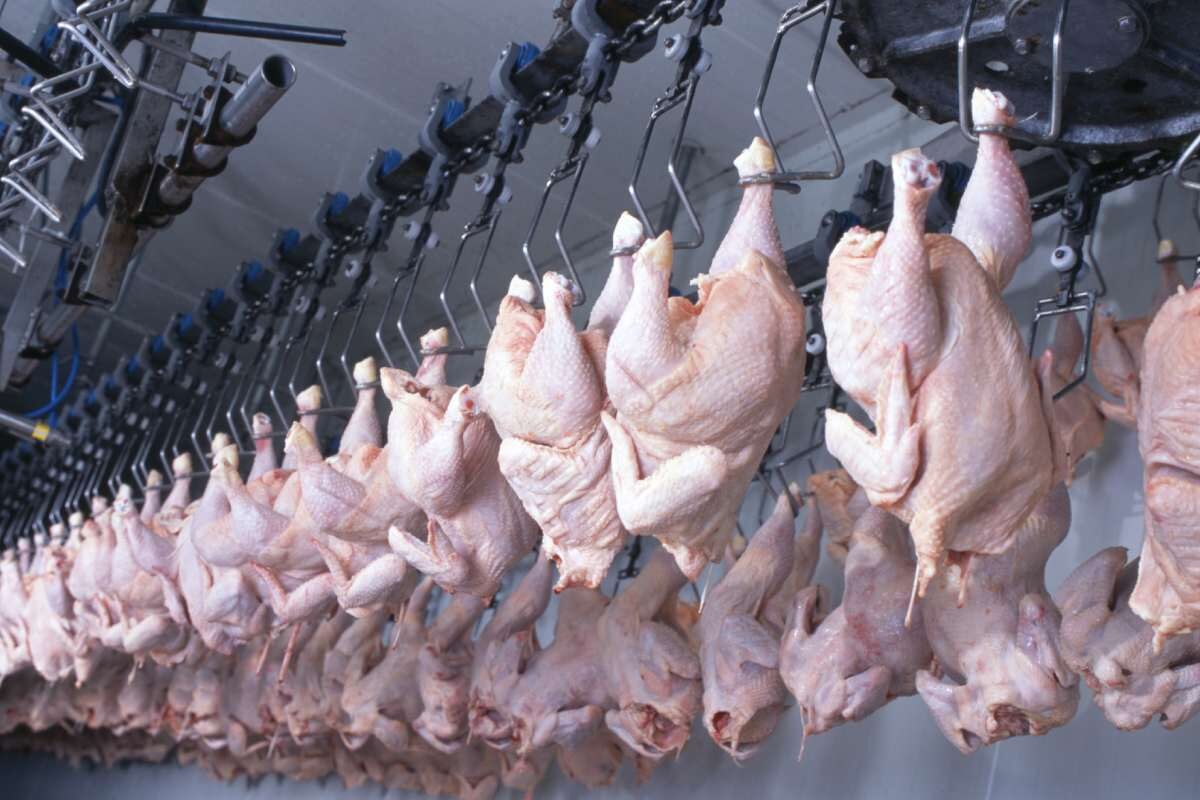
Russia’s poultry industry is facing growing economic pressure as producers contend with rising production costs, expensive financing and changing market dynamics, prompting many companies to focus on efficiency rather than expansion.
Industry experts say profitability has weakened compared with previous years, reflecting higher expenses for feed, logistics, fuel, veterinary measures and debt servicing. Although estimates of average sector profitability vary and are not confirmed by official statistics, analysts broadly agree that financial conditions have become more challenging for poultry producers.
Several of Russia’s largest poultry companies have implemented cost-control measures. Public financial statements show that some businesses have reduced capital expenditure or introduced efficiency programmes in response to the more difficult operating environment.
For example, Cherkizovo Group reported efforts to optimize commercial and administrative costs while also reducing investment spending. At the same time, the company reported improved adjusted EBITDA and stronger profitability during the first quarter of 2026.
Financial statements from Agrocomplex N.I. Tkachev also indicate a significant deterioration in financial performance. The company attributed its net loss primarily to higher interest expenses and lower agricultural yields, while reporting reductions in both workforce and capital investments.
Russia’s Ministry of Agriculture has maintained that domestic poultry production remains sufficient to meet demand in the country’s internal market.
Another factor influencing the market has been the increase in poultry imports from China. According to official Chinese customs data, exports of poultry meat to Russia increased significantly during the first quarter of 2026 compared with the same period a year earlier. Industry analysts believe these additional supplies have contributed to stronger competition in some market segments, particularly for poultry meat used in further processing, although the extent of their impact on domestic prices is difficult to quantify independently.
Russian veterinary authorities also introduced temporary restrictions on imports from two Chinese poultry processing plants after identifying sanitary compliance issues, demonstrating continued regulatory oversight of imported products.
Official statistics from Rosstat indicate that Russian poultry production declined during the first five months of 2026 compared with the same period in 2025. The decrease suggests that producers have become more cautious amid weaker margins and higher operating costs.
Looking ahead, industry observers expect market conditions to stabilize gradually during the second half of 2026 rather than recover rapidly. Future performance will likely depend on several factors, including feed costs, financing conditions and the industry’s ability to prevent outbreaks of avian influenza through continued biosecurity measures.
Apa Reaksi Anda?
 Suka
0
Suka
0
 Kurang Suka
0
Kurang Suka
0
 Setuju
0
Setuju
0
 Tidak Setuju
0
Tidak Setuju
0
 Bagus
0
Bagus
0
 Berguna
0
Berguna
0
 Hebat
0
Hebat
0