



























Signs Your Dog Needs a Supplement Boost

Your dog cannot tell you that something feels off. But their body can. A dull coat, a sluggish walk, a wound that takes too long to close, or a stomach that never seems to settle are not random annoyances. They are signals. Each one points to a specific nutritional gap that the current diet is not filling.
Most Indian pet parents notice these signs but attribute them to weather, age, or breed quirks. In reality, many of them resolve within weeks once the missing nutrient is identified and added. This guide teaches you to read your dog's body like a map, connecting visible signs to the supplements that fix them. Whether you choose from PetsWorld's dog health and supplements collection or work directly with your vet, recognising these signals early saves time, money, and discomfort.
Why Nutritional Gaps Happen Even in Well-Fed Dogs
A full bowl does not guarantee complete nutrition. Gaps develop for reasons that have nothing to do with how much you feed your dog:
-
Homemade and mixed diets: Most Indian home-cooked meals lack consistent vitamin and mineral profiles. Rice, roti, and boiled chicken do not cover zinc, B-complex, or omega-3 adequately.
-
Age-related absorption decline: Senior dogs absorb fewer nutrients from the same food they ate comfortably at age three.
-
Breed-specific demands: Large breeds burn through joint-supporting nutrients faster. Double-coated breeds need more omega-3 for skin and coat health.
-
Climate stress: Indian summers, monsoon humidity, and winter dryness each create different nutritional pressures on skin, coat, and immunity.
-
Recovery periods: Illness, surgery, deworming, and antibiotic courses deplete stored nutrients rapidly.
-
Kibble limitations: Even premium commercial food may not deliver therapeutic levels of specific nutrients for dogs with higher-than-average needs.
The American Kennel Club notes that targeted supplementation addresses specific gaps more effectively than broad multivitamins, particularly when the signs point clearly to a single nutrient family.
Signal 1: Your Dog's Coat and Skin Are Struggling
The coat is the most visible health barometer your dog carries. It reflects internal nutrition more honestly than any blood test.
What You See
-
Dull, dry, or straw-like coat texture despite regular bathing
-
Excessive shedding that does not match the normal seasonal cycle
-
Dandruff, flakiness, or persistent dry patches
-
Thinning fur or bald spots without parasite involvement
-
Cracked paw pads or a dry, crusty nose
-
Recurring hot spots, especially during Indian monsoon
What It Usually Means
Skin and coat problems almost always point to omega-3 deficiency, often combined with low zinc, biotin, or vitamin E. These nutrients build the skin barrier, fuel oil production, and strengthen hair follicles. When they run low, the coat is the first system to show it because the body redirects scarce nutrients to more vital organs first.
What Helps
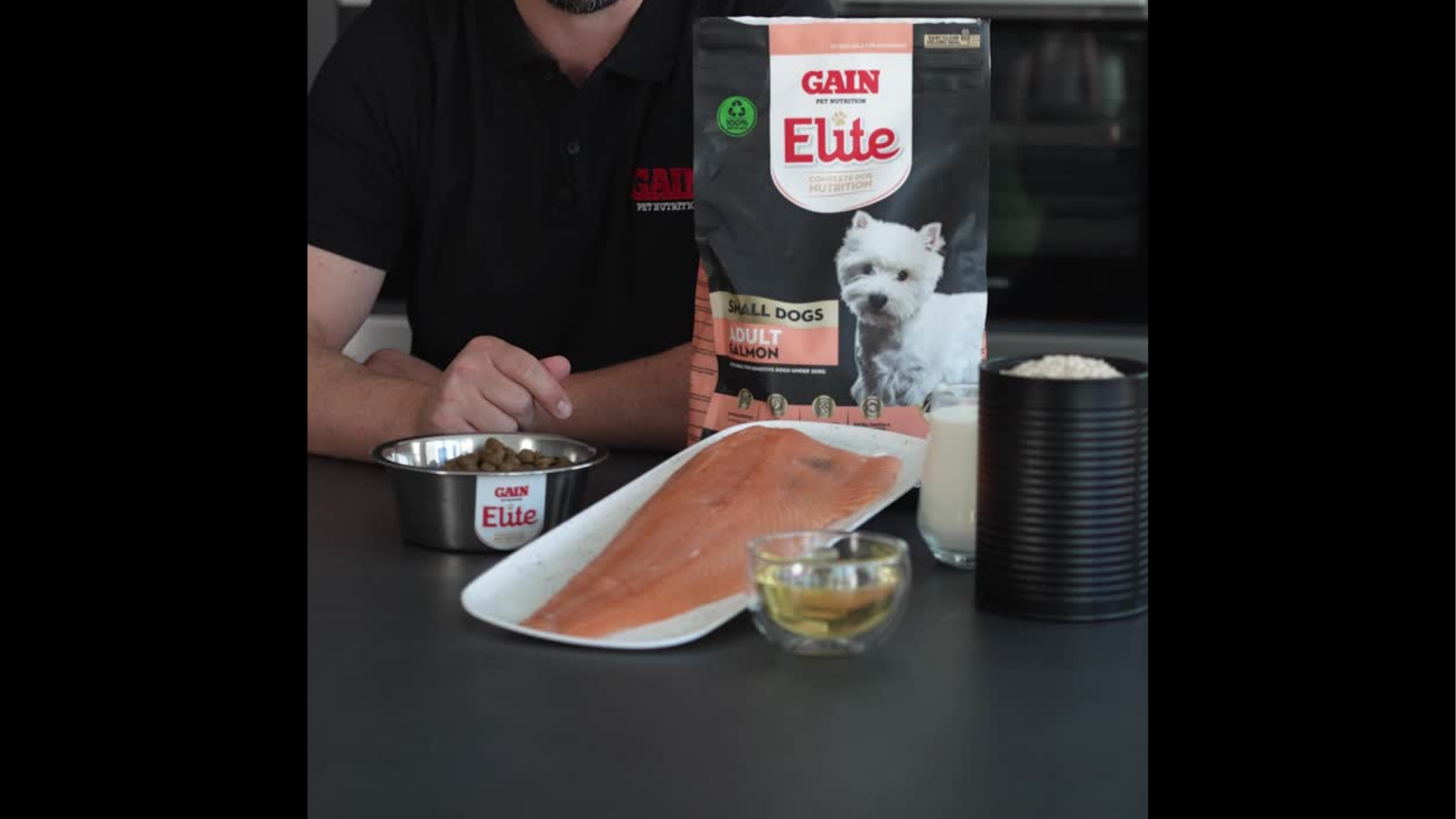
Fish oil (salmon or sardine oil) providing EPA and DHA is the most effective single addition. Pair with a zinc and biotin supplement for stubborn cases. Many pet parents see visible coat improvement within 4 to 6 weeks. Complement with gentle grooming products that protect the skin barrier rather than stripping it.
Signal 2: Energy and Enthusiasm Are Dropping
What You See
-
Less interest in walks, toys, or play that used to excite them
-
Sleeping more during the day without any change in routine
-
Sluggish on morning walks, especially on cooler days
-
Taking longer to recover after moderate exercise
-
Increased irritability or restlessness without obvious cause
-
Eating grass, mud, or non-food items (pica behaviour)
What It Usually Means
Low energy often traces to B-complex vitamin deficiency, iron deficiency, or magnesium shortage. B vitamins drive energy metabolism at the cellular level. Iron carries oxygen to muscles and organs. Magnesium supports muscle function and nerve signalling. When any of these run low, the entire body slows down.
Pica, the habit of eating non-food items, is a classic indicator of mineral deficiency. Dogs instinctively seek out missing nutrients, even if the sources they find are not helpful.
What Helps
A quality multivitamin with strong B-complex coverage and chelated iron addresses most energy-related gaps. For dogs on homemade diets, adding cooked liver once a week provides a natural B-vitamin and iron boost. Results typically appear within 3 to 5 weeks of consistent supplementation.
Signal 3: The Gut Is Constantly Unsettled
What You See
-
Loose stools or diarrhoea more than twice a week
-
Excessive gas or bloating after meals
-
Constipation or visible straining
-
Vomiting that is not linked to eating something toxic
-
Appetite swings without any other illness
-
Itchy skin alongside digestive issues, which signals the gut-skin connection
What It Usually Means
Chronic gut issues often point to an imbalanced microbiome, low digestive enzyme production, or insufficient fibre intake. Indian monsoon conditions worsen these problems significantly, as humidity promotes bacterial overgrowth and many dogs pick up mild gut infections from contaminated water or damp surfaces during walks.
What Helps
Probiotics are the first line of support. They repopulate beneficial gut bacteria, improve nutrient absorption, and reduce inflammation in the intestinal lining. Prebiotic fibre (from pumpkin or sweet potato) feeds those good bacteria. Digestive enzyme supplements help dogs that struggle to break down protein or fat. Pair gut supplements with easy-to-digest dog treats and chews that do not add extra stress to an already sensitive system.
Signal 4: Movement Is Becoming Difficult
What You See
-
Stiffness when rising from rest, especially after sleeping
-
Hesitation before stairs, jumps, or getting into the car
-
Preferring to walk rather than run during play
-
Mild limping after longer walks that resolves with rest
-
Licking or chewing one specific joint repeatedly
-
Visible muscle loss in the hind legs
-
Popping or clicking sounds from joints during movement
What It Usually Means
Joint stiffness signals cartilage wear, thinning synovial fluid, and chronic low-grade inflammation. These changes are progressive and often start silently years before visible limping appears. The American Veterinary Medical Association reports that most dogs show some degree of joint degeneration by age 7, with large breeds affected even earlier.
What Helps
Glucosamine, chondroitin, and MSM form the foundation of joint support. Omega-3 reduces joint inflammation. Hyaluronic acid restores synovial fluid thickness. Turmeric adds natural anti-inflammatory support. Start early for the strongest results. Explore targeted joint care and mobility supplements designed for senior and large breed dogs.
Signal 5: Your Dog Gets Sick Too Often
What You See
-
Recurring ear infections that come back after treatment
-
Skin infections or hot spots that heal slowly and reappear
-
Frequent mild stomach bugs, especially during monsoon
-
Slow wound healing from minor cuts or insect bites
-
Persistent low-grade lethargy without a clear diagnosis
What It Usually Means
A weak immune response often reflects low levels of vitamin C, vitamin E, zinc, selenium, or omega-3. These nutrients fuel the production and activity of immune cells. When they run low, the body cannot mount effective defences against everyday bacteria, fungi, and viruses. Indian monsoon, with its humidity and bacterial load, exposes these weaknesses fastest.
What Helps
A multivitamin with strong antioxidant coverage (vitamins C, E, and selenium) plus omega-3 supports immune resilience. Probiotics strengthen gut immunity, which accounts for roughly 70 percent of the total immune system. For dogs with chronic infections, a vet blood panel can pinpoint the specific deficiency driving the problem.
Signal 6: Your Senior Dog Seems Confused
What You See
-
Staring at walls or into corners for extended periods
-
Forgetting familiar routes during walks
-
Getting stuck behind furniture or in corners
-
Changes in sleep patterns, such as pacing at night
-
Reduced response to their own name or familiar commands
-
Loss of house training habits without a physical cause
What It Usually Means
Cognitive decline in senior dogs, sometimes called canine cognitive dysfunction, is linked to oxidative damage in brain cells and reduced DHA levels. The brain is one of the most fat-dependent organs, and omega-3 DHA is its primary structural fatty acid. When DHA intake drops, cognitive function follows.
What Helps
DHA-rich fish oil, antioxidants (vitamin E, vitamin C, selenium), and specialised cognitive support nutrients like phosphatidylserine and SAM-e can slow decline. These are most effective when started at the first signs of confusion, not after significant deterioration. Consistent daily use matters more than occasional high doses.
From Signal to Supplement: A Simple Action Framework
Use this quick reference to connect what you see to what you give:
-
Dull coat, dry skin, shedding: Omega-3 fish oil plus zinc and biotin
-
Low energy, sluggishness: B-complex multivitamin plus iron
-
Gut issues, loose stools: Probiotics plus digestive enzymes
-
Joint stiffness, slow movement: Glucosamine, chondroitin, MSM, omega-3
-
Frequent infections, slow healing: Antioxidants (C, E, selenium) plus probiotics
-
Senior confusion, behaviour changes: DHA, antioxidants, phosphatidylserine
Address the most obvious signal first. Add one supplement at a time, wait 4 to 6 weeks, and observe changes before stacking another product on top.
When Signs Need a Vet, Not a Supplement
Supplements address mild to moderate nutritional gaps. Some signs demand professional medical evaluation before any supplement is added:
-
Sudden, severe weight loss or gain
-
Persistent vomiting or bloody stools
-
Complete loss of appetite for more than 48 hours
-
Rapid behavioural changes or aggression
-
Visible pain, crying, or inability to stand
-
Swollen joints, fever, or laboured breathing
The ASPCA warns that some supplement ingredients can interact with medications or worsen underlying conditions. Always consult your vet before supplementing a dog with existing health issues.
Final Thoughts
Your dog's body communicates through visible, trackable signals. A dull coat, a stiff walk, a gurgling stomach, or a fading sparkle in the eyes are not just age or weather. They are requests for specific nutritional support. Learn to read them, match the right supplement to the right signal, and give it time to work. Start with one targeted addition from PetsWorld's dog supplements collection, stay consistent for 6 to 8 weeks, and let your dog's improving health confirm you made the right call.
FAQs
How do I know if my dog is deficient in a specific nutrient?
Look for patterns in visible signs. Coat and skin issues usually point to omega-3 or zinc. Low energy points to B-complex or iron. Joint stiffness points to glucosamine and omega-3. For a definitive answer, ask your vet for a blood panel that measures specific vitamin and mineral levels.
Can a dog show multiple supplement needs at once?
Yes. Dogs on homemade diets or recovering from illness often show signs across two or three categories simultaneously. Start with the most severe signal, address it with one targeted supplement, then add others one at a time over the following weeks.
How quickly do supplements fix visible signs?
Most supplements take 4 to 8 weeks for visible results. Coat improvements may appear in 3 to 4 weeks. Joint comfort usually needs 6 to 10 weeks. Gut health often responds fastest, sometimes within 1 to 2 weeks with probiotics. Consistency matters more than dose size.
Are these signs always caused by nutritional gaps?
Not always. Some signs overlap with medical conditions like thyroid disease, kidney issues, or parasites. If symptoms persist after 8 to 10 weeks of targeted supplementation, or if they worsen suddenly, consult your vet to rule out underlying illness.
Should I give a multivitamin or target one nutrient at a time?
If signs are spread across multiple categories, a quality multivitamin covers the broadest ground. If signs are concentrated in one area, like coat only or joints only, a targeted supplement delivers more effective doses of the specific nutrients that area needs.
Apa Reaksi Anda?
 Suka
0
Suka
0
 Kurang Suka
0
Kurang Suka
0
 Setuju
0
Setuju
0
 Tidak Setuju
0
Tidak Setuju
0
 Bagus
0
Bagus
0
 Berguna
0
Berguna
0
 Hebat
0
Hebat
0