


































Development of U.S.-strain live and inactivated vaccines for control of avian metapneumovirus subtype B in poultry
USPOULTRY and the USPOULTRY Foundation announce the completion of a research project that developed both live and inactivated vaccine candidates for avian metapneumovirus (aMPV) subtype B. The research is part of the Association’s comprehensive research program, which encompasses all phases of poultry and egg production and processing, and is made possible in part through proceeds from the International Poultry Expo, part of the International Production & Processing Expo.
Project # 745: development of live attenuated and killed vaccines for emerging avian metapneumovirus subgroup B
(Dr. Sunil Kumar Mor, Animal Disease Research and Diagnostic Laboratory, South Dakota State University, Brookings, S.D.)
aMPV, a virus which causes an acute respiratory tract infection in turkeys and chickens, re-emerged in the U.S. poultry industry, rapidly spreading across key poultry-producing states and posing a significant threat to production. The Center for Veterinary Biologics granted conditional approval for imported vaccines based on European strains as an emergency measure in early 2025; however, no licensed live attenuated vaccines derived from U.S. strains are currently available.
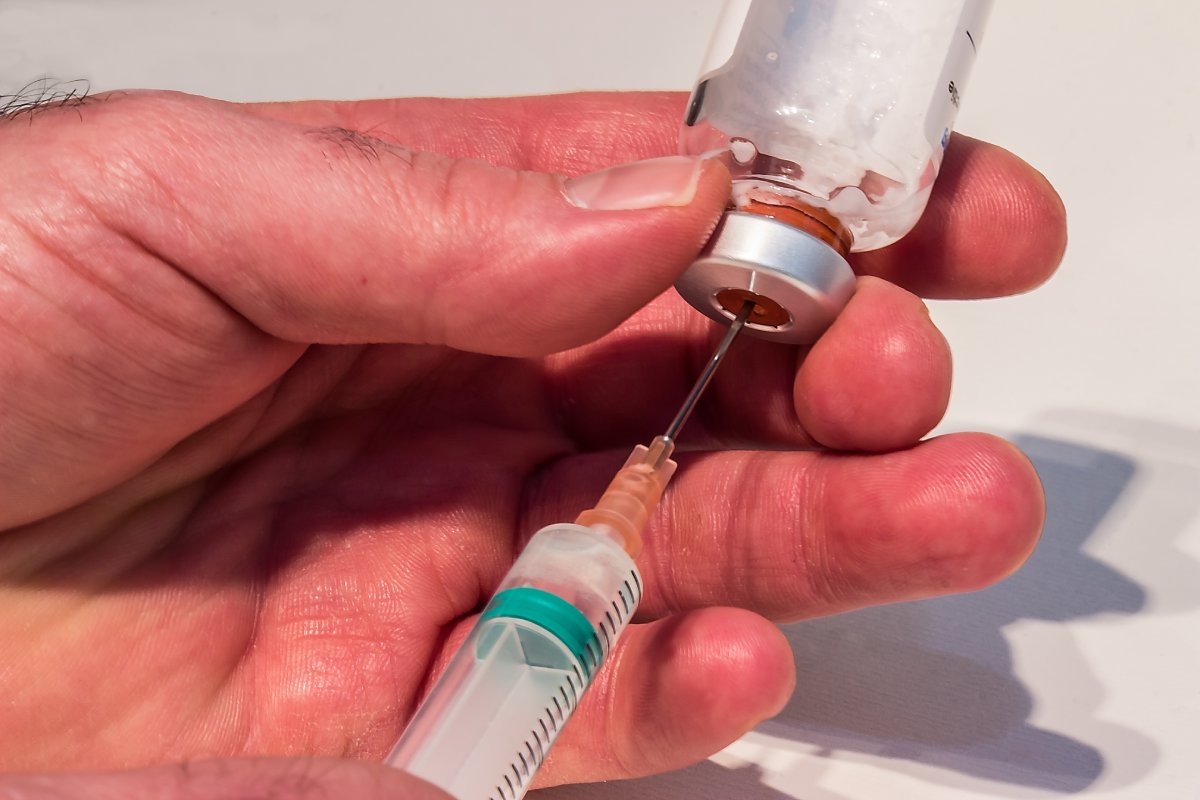
A team of researchers, led by Dr. Sunil Mor, at South Dakota University, successfully developed both live and inactivated vaccine candidates for aMPV subtype B. One of the live vaccine candidates showed strong safety and provided complete protection in chickens, while the inactivated vaccine generated strong protective antibody responses. Both vaccine approaches performed well in commercial turkey poults, with the live vaccine offering the highest level of protection.
These results demonstrate strong potential for practical, field-ready tools to help control aMPV in poultry. Overall, the work supports the development of U.S.-based vaccines to reduce future disease impacts and economic losses in the poultry industry.
The research summary can be found on the USPOULTRY website. Information on other Association research may also be obtained by visiting the USPOULTRY website.
Source: U.S. Poultry & Egg Association press release
Apa Reaksi Anda?
 Suka
0
Suka
0
 Kurang Suka
0
Kurang Suka
0
 Setuju
0
Setuju
0
 Tidak Setuju
0
Tidak Setuju
0
 Bagus
0
Bagus
0
 Berguna
0
Berguna
0
 Hebat
0
Hebat
0