



































































Best Exercises To Increase Bone Density in the Spine


Key Takeaways
- Weight-bearing and resistance exercises are the most effective options when considering what exercises increase bone density in the spine.
- Progressive strength training, impact activity, and posture-focused movements help stimulate spinal bone remodeling.
- Nutrition, recovery, and consistency are essential to support long-term spinal bone health.
If you are thinking about long-term bone health, your spine deserves special attention. The spine supports your posture, protects your spinal cord, and allows you to bend, twist, and move throughout your day. As you age, maintaining bone density in the spine becomes increasingly important.
A common question people ask is, “What exercises increase bone density in the spine?”
The answer lies in how bones respond to stress. Bone tissue is living and dynamic. When you apply safe, appropriate mechanical load through exercise, your body responds by reinforcing that area. Over time, this process can help support bone strength.
In this guide, you will learn which exercises are most effective, how to perform them safely, and how to support spinal health with a well-rounded approach.
How Exercise Influences Bone Density
Bone remodeling is a natural process in which old bone tissue is broken down and replaced with new bone. Mechanical stress from movement signals your body to maintain or increase bone mass.
The spine responds best to:
- Weight-bearing exercise
- Resistance training
- Impact activity within safe limits
- Postural strengthening
Low-impact movement, such as swimming or cycling, supports cardiovascular health, but it doesn’t stimulate the spine as effectively as weight-bearing activity.
If your goal is to understand what exercises increase bone density in the spine, focus on movements that load the vertebrae safely and progressively.
1. Strength Training With Progressive Resistance
Strength training is one of the most effective strategies for supporting spinal bone density.
When you lift weights, your muscles pull on bone, creating mechanical stress. This stimulates bone-forming cells and encourages remodeling.
Effective Strength Exercises for the Spine
- Squats
- Deadlifts
- Lunges
- Overhead presses
- Bent over rows
These compound movements load the spine in a controlled manner while strengthening surrounding muscles.
Start with lighter weights and focus on proper form. Gradually increase resistance as your strength improves. Consistency matters more than intensity.
If you are new to strength training, consider working with a qualified professional to ensure proper technique.
2. Weight-Bearing Impact Exercises
Impact exercises apply force to the skeleton through ground reaction forces. When performed safely, they can stimulate bone density in the hips and spine.
Examples include:
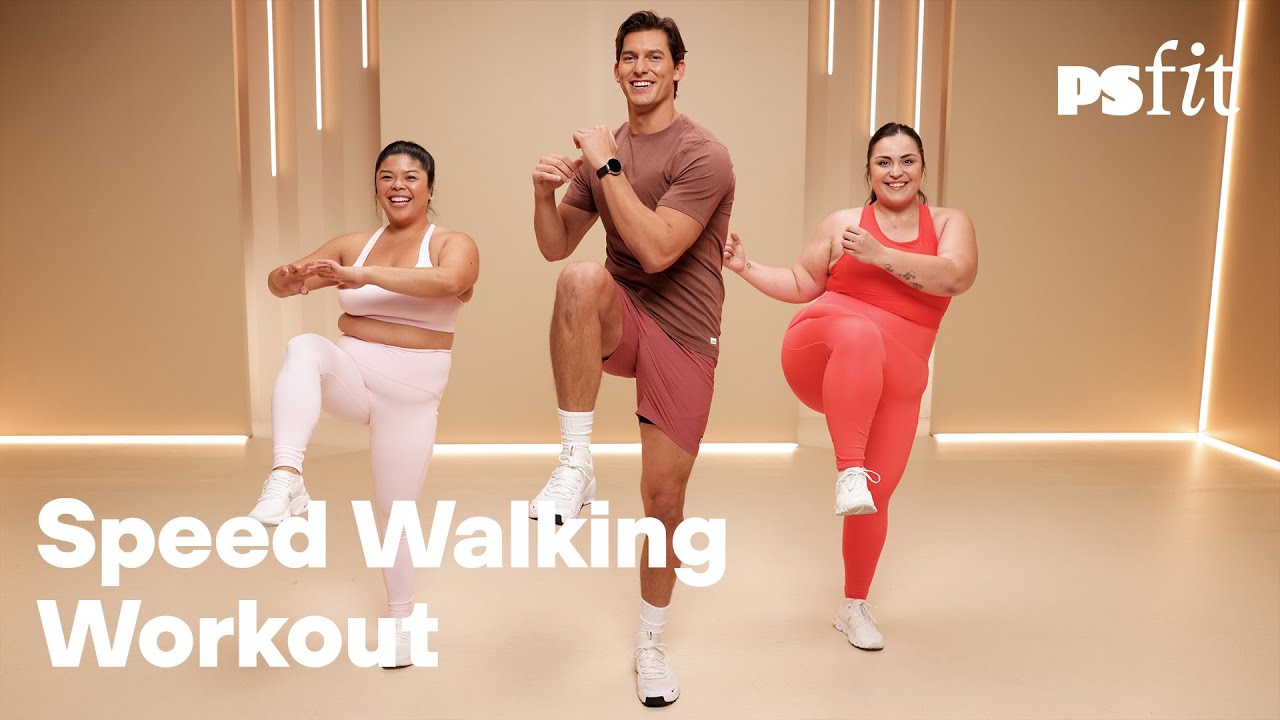
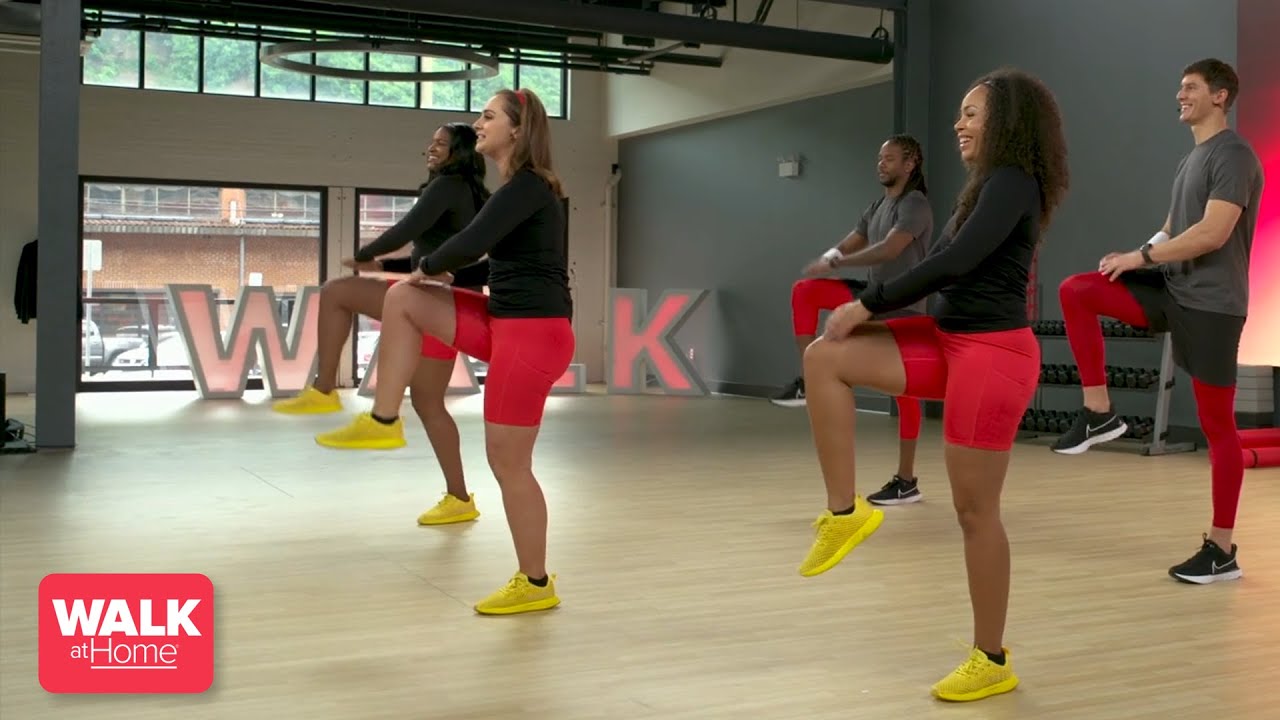
- Brisk walking
- Stair climbing
- Hiking
- Light jogging
- Low-impact jumping drills
Higher-impact activities may not be appropriate for everyone, especially if you already have reduced bone density. Always consult your healthcare provider before beginning a new impact routine.
Even daily brisk walking can contribute to overall skeletal support when done consistently.
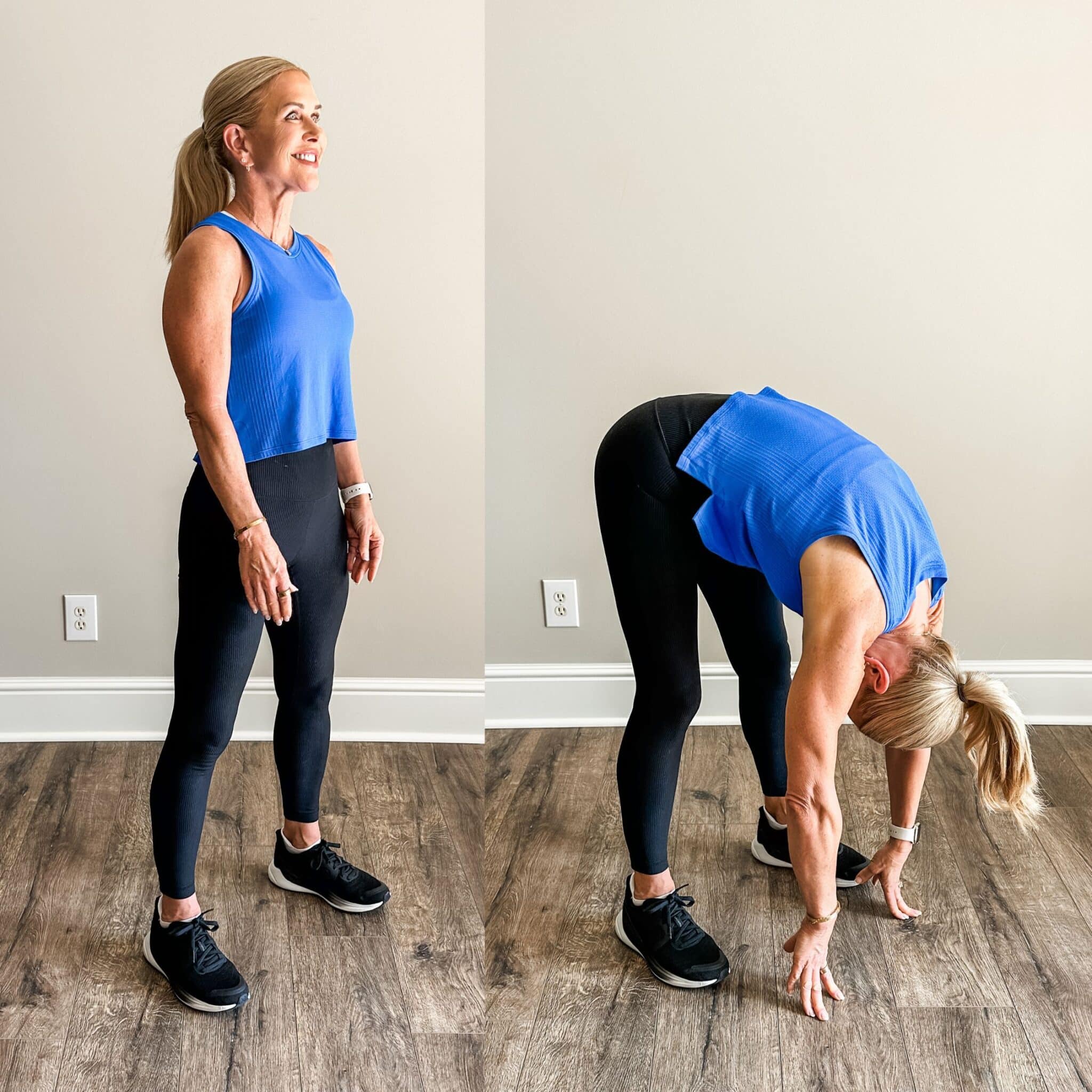
3. Back Extension Exercises
Spinal extension exercises strengthen the muscles that support posture and vertebral alignment.
One of the most studied movements for spinal support is the prone back extension.
How To Perform a Basic Back Extension
- Lie face down on a mat.
- Gently lift your chest off the floor while keeping your neck neutral.
- Hold for a few seconds and slowly lower.
These exercises target the posterior chain muscles that help stabilize the spine. Maintaining strong back extensors supports upright posture, which reduces compressive strain on vertebrae over time.
4. Core Strengthening Movements
Your core includes more than your abdominal muscles. It also includes deep stabilizers that support the spine. Strong core muscles help distribute load evenly and protect spinal structures during movement.
Effective core exercises include:
- Planks
- Bird dogs
- Side planks
- Dead bugs
These movements emphasize stability rather than excessive spinal flexion.
When asking what exercises increase bone density in the spine, remember that stability and alignment are just as important as loading.
5. Resistance Band Training
Resistance bands offer a low-impact way to add load without heavy equipment. Band rows, band pull-aparts, and band resisted squats provide gentle spinal loading while strengthening supporting musculature.
This option is especially helpful if you are exercising at home or beginning a strength program.
6. Posture Focused Training
Poor posture can increase compressive stress on certain areas of the spine. Over time, this may influence structural integrity. Exercises that encourage upright alignment help distribute forces more evenly.
Consider incorporating:
- Wall posture drills
- Chin tucks
- Scapular retraction exercises
- Thoracic mobility work
Postural awareness throughout the day also supports spinal health beyond your workout.
What To Avoid
If you are concerned about spinal bone density, avoid exercises that involve:
- Repeated spinal flexion under heavy load
- High-impact twisting movements
- Sudden, uncontrolled motions
Movements like heavy sit-ups or deep spinal twisting under resistance may increase strain on vertebrae. Focus instead on controlled, neutral spine exercises.
How Often Should You Train?
For bone health, aim for resistance training at least two to three times per week. Weight-bearing activity, such as walking, can be performed most days.
Bone remodeling responds to repeated stimuli over time. Consistency is essential. Short sessions performed regularly are more beneficial than occasional intense workouts.
Supporting Bone Density Beyond Exercise
While understanding what exercises increase bone density in the spine is important, movement alone is not enough.
Bone health also depends on:
- Adequate calcium intake
- Vitamin D status
- Magnesium levels
- Protein intake
Vitamin D supports calcium absorption. Magnesium contributes to bone structure. Protein provides structural building blocks.
Even with a balanced diet and regular weight-bearing exercises, it can be challenging to get all of the nutrients your bones need for optimal density. That’s where a bone strength supplement can help fill in the gaps.
Formulas like HealthyCell Bone Strength deliver a blend of calcium, magnesium, vitamin D3, vitamin K2, and other key minerals in an ultra-absorbable gel to support bone density, renewal, and structural integrity as you age.
Who Should Focus on Spinal Bone Density?
You may want to prioritize spinal bone health if you:
- Are over 40
- Have a family history of bone density concerns
- Spend long hours sitting
- Have experienced prior fractures
- Want to maintain long term mobility
Prevention and maintenance are powerful strategies.
Safety Considerations
Before beginning a new exercise program, especially if you have existing bone density concerns, speak with your healthcare provider.
Start gradually. Focus on proper form. Progress weight slowly. Pain is not a goal. Mild muscle fatigue is normal, but sharp or persistent back pain is not. Listening to your body helps you train safely and sustainably.
Risk Factors That Affect Spinal Bone Density
If you are researching what exercises increase bone density in the spine, it is also helpful to understand what may contribute to bone loss in the first place.
Several factors can influence spinal bone density over time:
Aging
Bone remodeling slows naturally as you get older. After midlife, bone breakdown can outpace bone formation without proper stimulus.
Sedentary Lifestyle
Prolonged sitting reduces mechanical loading on the spine. Without regular weight-bearing activity, bones may gradually lose density.
Low Vitamin D Levels
Vitamin D supports calcium absorption. Inadequate levels may affect bone mineralization.
Inadequate Calcium Intake
Consistently low calcium intake can influence long term skeletal strength.
Hormonal Changes
Shifts in estrogen or testosterone levels may impact bone turnover and density.
Smoking and Excess Alcohol
Both may negatively influence bone remodeling and calcium balance.
Understanding these factors allows you to take a proactive approach. When you combine resistance training, weight-bearing movement, and proper nutrition, you address both the causes and the solutions related to spinal bone density.
FAQs
What exercises increase bone density in the spine most effectively?
Progressive resistance training, such as squats, deadlifts, and back extensions, are among the most effective. Weight-bearing activities also contribute.
How long does it take to improve bone density?
Bone remodeling is gradual. Regular exercise and nutritional support over months to years contribute to long-term maintenance.
Can walking increase spinal bone density?
Brisk walking provides weight-bearing stimulus and may support bone health, especially when combined with resistance training.
Is yoga good for spinal bone density?
Yoga can support posture, balance, and muscular strength. However, it should be combined with resistance or weight-bearing exercise for optimal bone stimulus.
Do I need supplements for bone density?
Diet should be the foundation, but some people may benefit from supplementation to support vitamin D or calcium intake. Consult your healthcare provider for guidance.
Conclusion
Your spine plays a central role in your strength, posture, and mobility. If you are asking what exercises increase bone density in the spine, the answer centers on progressive resistance, weight-bearing movement, and core stability.
Strength training, impact activity within safe limits, and postural exercises provide the mechanical stimulus your bones need. When paired with consistent nutrition and proper recovery, these habits support long-term skeletal health.
And it’s important to remember that even with regular exercise and a nutrient-rich diet, a targeted bone strength supplement can help fill potential gaps and provide key vitamins and minerals that support spinal bone density and long-term skeletal health.
You do not need extreme workouts. You just need consistent, intentional movement performed with good form and gradual progression.
Sources:
Exercising with Osteoporosis: Stay Active the Safe Way | Mayo Clinic
The Best Workouts for Osteoporosis | Cleveland Clinic
Strength Training Builds More Than Muscles | Harvard Health
Exercise and Bone Health | American Academy of Orthopaedic Surgeons
What's Your Reaction?
 Like
0
Like
0
 Dislike
0
Dislike
0
 Agree
0
Agree
0
 Disagree
0
Disagree
0
 Excellent
0
Excellent
0
 Useful
0
Useful
0
 Great
0
Great
0