
































































Best Foods To Eat When You Are Sick


Key Takeaways
- The right food to eat when sick can help support hydration, energy, and immune function.
- Easy-to-digest options, such as broth, fruit, and simple proteins, are often best.
- Rest, fluids, and consistent nourishment work together to support recovery.
When you are not feeling your best, even simple decisions can feel overwhelming. One of the most common questions people ask is, “What is the best food to eat when sick?”
While no single food can cure illness, certain nutrients and meals can help support your immune system, maintain hydration, and provide energy while your body recovers. The key is choosing options that are gentle on digestion, rich in nutrients, and easy to prepare.
Why Nutrition Matters When You Are Sick
When your immune system is working to fight off an infection, your body needs energy and nutrients. At the same time, symptoms like nausea, sore throat, congestion, or fatigue may reduce your appetite.
Even if you do not feel like eating much, small amounts of nutrient-dense food can help maintain strength and hydration. The goal is not to force large meals, but to nourish your body consistently.
Let’s explore the best options.
What Should I Eat When I’m Sick?
1. Broth-Based Soups
Chicken soup has long been associated with comfort during illness. There is a reason it remains a go-to option.
Broth-based soups provide:
- Fluids for hydration
- Electrolytes
- Easy-to-digest protein
- Warmth that may soothe a sore throat
Warm liquids may also help loosen congestion and promote comfort. Vegetable broth is a good alternative if you prefer plant-based options. Keep soups simple with soft vegetables and lean protein to make digestion easier.
2. Citrus Fruits and Berries
Vitamin C plays an important role in immune function. While it does not prevent illness entirely, it helps support normal immune cell activity.
Citrus fruits such as oranges, grapefruit, and lemons are common choices. Berries also provide vitamin C along with antioxidants that help combat oxidative stress. If chewing feels difficult due to a sore throat, try blending fruit into a smoothie with yogurt or almond milk for a gentler option.
3. Bananas
Bananas are often recommended as a food to eat when sick because they are easy to digest and provide quick energy. They are part of the well-known BRAT approach, which includes bananas, rice, applesauce, and toast for an upset stomach.
Bananas contain potassium, an electrolyte that may be depleted during illness, especially if you are experiencing vomiting or diarrhea. They are also soft and mild in flavor, which makes them easier to tolerate when your appetite is low.
4. Oatmeal
Oatmeal is a comforting, warm option that provides fiber and steady energy. It is gentle on digestion and easy to customize.
You can add:
- Honey for soothing support
- Berries for vitamin C
- Nut butter for healthy fats
Fiber also supports gut health, which is closely connected to immune function.
5. Yogurt With Live Cultures
Your gut plays a major role in immune regulation. Yogurt that contains live and active cultures may help support a balanced microbiome.
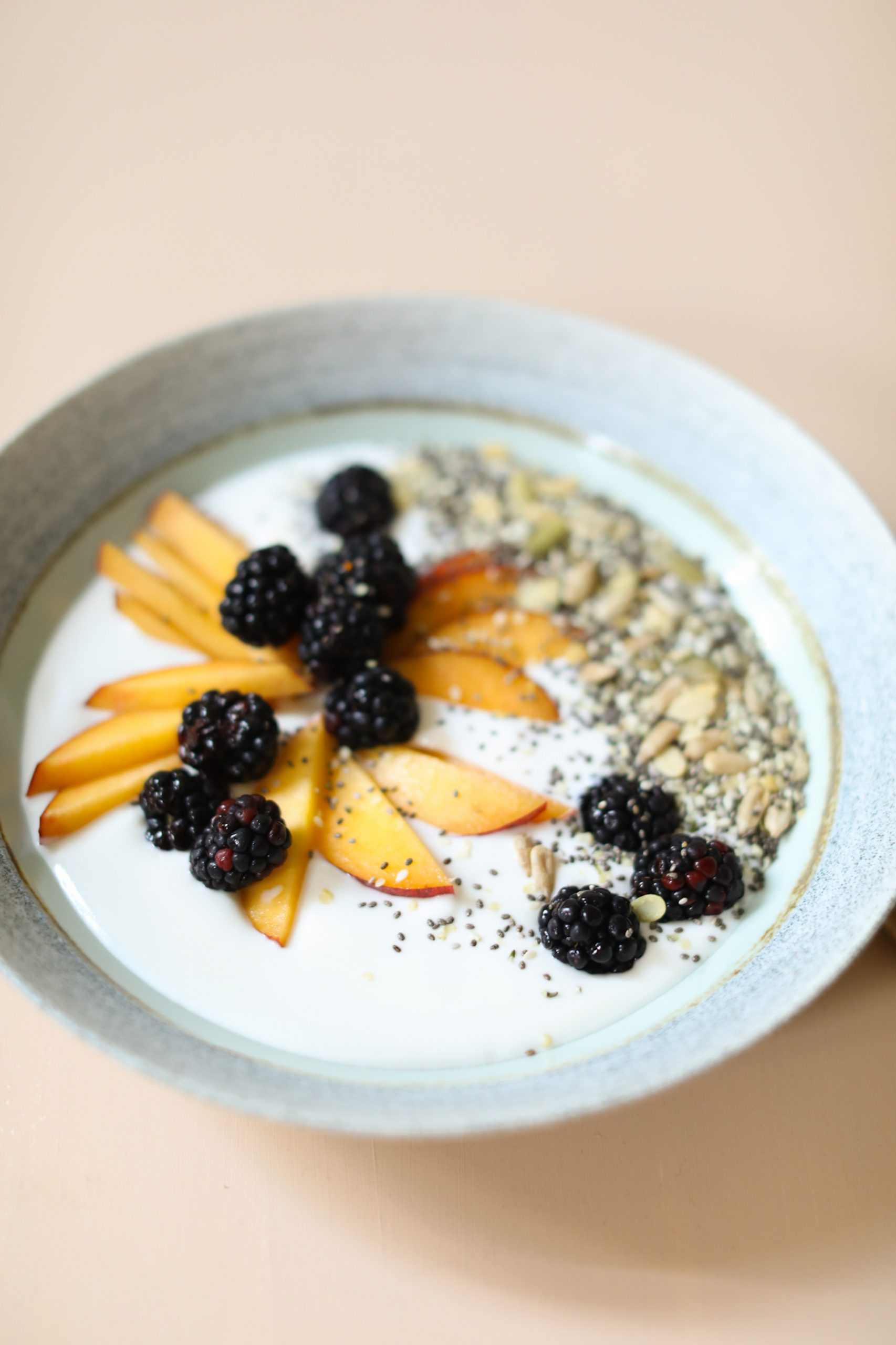
If you are taking antibiotics, which can affect your gut health and immunity, yogurt may help support beneficial bacteria during and after treatment. Choose plain varieties with minimal added sugar. Pairing yogurt with fruit can add additional vitamins and antioxidants.
6. Garlic and Ginger
Garlic and ginger are often included in meals when someone is feeling unwell. Garlic contains compounds that support immune health, while ginger may help soothe nausea and digestive discomfort.
You can add fresh garlic to soups or sip ginger tea for a warming effect. These ingredients are simple ways to enhance the nutritional value of your meals.
7. Lean Protein
Protein supports tissue repair and immune cell production. When you are sick, your body is actively working to recover, and protein provides the building blocks it needs.
Good options include:
- Chicken
- Turkey
- Eggs
- Tofu
- Lentils
If solid food feels unappealing, try scrambled eggs or blended soups that include soft protein sources.
8. Herbal Teas and Fluids
Hydration is one of the most important priorities when you are sick. Fluids help regulate body temperature, support circulation, and maintain mucus membrane function.
Warm herbal teas such as chamomile or ginger can provide comfort. Adding honey may help soothe a cough. Water, diluted fruit juice, and electrolyte beverages are also helpful, depending on your symptoms.
9. Immune-Supporting Supplements
Along with nutrient-rich foods like broth, fruits, and vegetables, some people choose to support their immune system with a targeted immunity supplement.
HealthyCell Immune Super Boost combines vitamins, minerals, and phytonutrients such as echinacea and elderberry to support white blood cell activity and a healthy immune response, helping your body stay resilient when you’re feeling under the weather.
What To Avoid When You Are Sick
Certain foods may worsen symptoms or slow recovery.
Try to limit:
- Highly processed foods
- Excess added sugar
- Fried or greasy meals
- Alcohol
These options may contribute to inflammation or digestive discomfort. Focus instead on whole, simple foods that your body can process easily.
FAQs
What is the best food to eat when sick with a cold?
Warm soups, citrus fruits, herbal teas, and easy-to-digest proteins are commonly recommended. Focus on hydration and nutrient density.
Should I eat less when I am sick?
It is normal to have a reduced appetite. Aim for small, balanced meals and fluids rather than skipping nourishment entirely.
Is it better to eat hot or cold foods?
This depends on your symptoms. Warm foods may soothe congestion and a sore throat, while cold foods like smoothies may feel better if you have a fever.
Conclusion
When you are under the weather, simple nutrition choices can make a meaningful difference. The best food to eat when sick is gentle on digestion, rich in nutrients, and supportive of hydration.
Broth-based soups, fruit, yogurt, oatmeal, lean proteins, and herbal teas all provide nourishment while your body focuses on recovery. Pair these choices with adequate rest and consistent hydration for a well-rounded approach.
You do not need complicated recipes or strict rules. You need simple, nourishing foods that support your immune system and give your body what it needs to heal.
Small, steady support goes a long way when you are not feeling your best.
Sources:
Food and Drink to Help You Fight the Flu | UnityPoint Health
Nutrition and Immune Function | Mayo Clinic Health System
Feed a Cold, Starve a Fever: True or False? | Cleveland Clinic
The Relationship Between Nutrition And The Immune System | PMC
What's Your Reaction?
 Like
0
Like
0
 Dislike
0
Dislike
0
 Agree
0
Agree
0
 Disagree
0
Disagree
0
 Excellent
0
Excellent
0
 Useful
0
Useful
0
 Great
0
Great
0