
































%20and%20Batch%20Production%20Records%20(BPR).png)













Adrenal All Stars: Catching Up with a Handful of the Endocrine Society’s Leaders in Adrenal Research and Treatment
Research and clinical care of adrenal diseases have improved significantly even in the past few years. Endocrine News speaks with a few notable experts in this space about these developments, gaps that are currently barriers to further ones, and how research informs the clinic and back again.
When Gary D. Hammer, MD, PhD, professor of Internal Medicine, Cell and Developmental Biology, and Molecular and Integrative Physiology at the University of Michigan in Ann Arbor, and past president of the Endocrine Society, was interviewing for his job at Michigan, he was taken to a famous restaurant in Ann Arbor to meet with the head of the cancer center, and the legendary Wolverines football coach Bo Schembechler. (Schembechler’s wife passed away from adrenal cancer.)
Schembechler told Hammer he only had one question for him: “Did you or did you not negotiate football tickets?” The room of 500 people erupted in laughter, but Schembechler stood silent and crossed his arms.
“I stood up, looked him in the eye and said, ‘Bo, I think that’s why I’m here with you tonight,’” Hammer says. “We were best friends until the day he died.”
For patients with adrenal disease – congenital adrenal hyperplasia, Cushing syndrome , adrenakl insufficiency, primary aldosteronism, pheochromocytoma and adrenal cancer– endocrinologists and other adrenal experts have been joining forces – locally, nationally and internationally – to collaborate and leverage expertise in both the clinical care of patients and research into disease mechanisms as they search for novel therapies for these rare diseases,. There have been some incredible developments even in the past five years: new and still-experimental medications, gene therapies, new surgery techniques, even coalitions of international researchers cooperating.
Endocrine News caught up with Hammer; Deborah Merke, MD, MS, senior investigator and chief of the Department of Pediatrics at the National Institutes of Health; Nancy Dugal Perrier, MD, Walter and Ruth Sterling Endowed Professor of Surgery, Department of Surgical Oncology; chief, Section of Surgical Endocrinology; associate director, Multidisciplinary Endocrine Center, M.D. Anderson Cancer Center, Houston, Texas; Emilia Modolo Pinto, PhD, a researcher in the Department of Pathology at St. Jude’s Children’s Research Hospital in Memphis, Tenn.; and William Rainey, PhD, Jerome W. Conn Professor of medicine in the Departments of Molecular & Integrative Physiology and Internal Medicine at the University of Michigan, to discuss the recent breakthroughs, things still on the horizon, and the gaps that still need to addressed before reaching it.
Endocrine News: How do you view the current state of adrenal research and clinical care? Are there any gaps that need to be addressed? Are there areas in adrenal that need more attention?
Emilia Pinto: Adrenal research has advanced significantly over the past two decades, particularly in uncovering the molecular mechanisms behind adrenal tumors and congenital adrenal disorders. Still, important gaps remain. Rare adrenal diseases are still underrepresented in large-scale studies, and clinical care often relies on limited evidence or extrapolation from other patient populations. One critical point is that pediatric and adult adrenocortical tumors are biologically distinct diseases, with different genetic drivers, developmental contexts, and clinical behaviors, yet they are often treated and studied under the same framework. Recognizing and operationalizing this distinction is crucial for both research and patient care. There’s also a gap between genomic discoveries and their integration into everyday care, especially for risk assessment, surveillance, and counseling of individuals with predisposing variants. While preclinical models, such as patient-derived cell lines, organoids, and animal models, are increasingly available, current treatments remain only loosely connected to the underlying biology, which limits the translation of molecular insights into targeted therapies. At St. Jude, and through collaborative efforts such as the International Pediatric Adrenocortical Tumor Registry (IPACTR), we have a unique opportunity to study these questions in the context of rare pediatric tumors, where deeply annotated clinical cohorts can be directly integrated with genomic and developmental data. Thanks to these efforts, we can now turn insights from rare pediatric adrenal tumors into real strategies to improve patient care.
William Rainey: This is an amazing time to be an adrenal researcher with recently developed technologies having a significant impact on our abilities to take a deeper dive into adrenal biology and disease. On the basic and translational science side, I would highlight four areas where the field is moving ahead but where additional work is needed. First, we need a stronger foundational understanding of adrenal stem cell biology and its role in normal adrenal homeostasis, so that our research can be translated into tissue engineering and adrenal cell–based therapies. Second, we need deeper insight into the genetic, epigenetic, and hormonal mechanisms that drive the sexual dimorphism observed in adrenal disorders such as primary aldosteronism, Cushing syndrome, and adrenocortical carcinoma. Third, we need to clarify the physiologic and pathologic regulators of adrenal androgen production. This area remains one of the least understood of human adrenal biology, in part because mice are unable to model human adrenal androgen synthesis. Finally, as in all areas of biomedical research, the adrenal field needs to adopt appropriate artificial intelligence tools in ways that can strengthen our basic research and accelerate translation.
On the clinical side of adrenal research, two areas are likely to remain especially active in the coming years. First, we still lack therapies that reliably reproduce physiologic cortisol circadian rhythms in adrenal insufficiency as well as restoring these patterns after patients are treated for Cushing syndrome. The clinical benefits of re-establishing normal cortisol rhythmicity could have a significant impact on patient quality of life. Second, there is growing momentum to expand screening for adrenal steroid–excess disorders, particularly primary aldosteronism and Cushing syndrome. Hopefully these efforts will be accelerated by the increasing use of artificial intelligence in primary care, which could improve recognition of adrenal (and other endocrine) diseases and lead to earlier diagnostic evaluation.
Deborah Merke: Now is a very exciting time to be doing adrenal research as we are making major advances in the clinical care of adrenal disorders, especially congenital adrenal hyperplasia (CAH). I have spent my entire career studying CAH, the most common cause of adrenal insufficiency in children and a complex and challenging disorder to manage due to the many hormonal imbalances. We are now entering a new era with the availability of novel drugs to treat CAH. The treatment of CAH with glucocorticoids that began in the 1950’s was lifesaving, and since that time we have used glucocorticoids to not only treat the adrenal insufficiency, but also to suppress the ACTH-driven adrenal androgen production characteristic of CAH. Excess glucocorticoids have been needed to adequately suppress adrenal androgens.
Many years of studying the pathophysiology of CAH and the adverse outcomes due to both disease-related and treatment-related factors has finally resulted in the availability of new drugs. In the EU, a modified-release form of hydrocortisone that approximates physiological cortisol circadian secretion has improved outcomes and was approved in 2021. In the US, a CRF-1 antagonist is FDA approved for patients four years of age and older with classic CAH since December 2024. This drug is an adjunctive treatment to glucocorticoid replacement and for the first time allows clinicians to control adrenal androgens using a non-glucocorticoid medication and therefore reduce glucocorticoid dose.
Several gaps exist. Importantly, the use of alternative strategies is in its infancy and there is a lack of worldwide access to newly developed drugs. An oral modified-release form of hydrocortisone that was designed to mimic physiological circadian cortisol secretion (marketed as Efmody) is available in the EU; while the CRF-1 antagonist (marketed as Crenessity) is available in the US. Long-term follow-up is lacking. Although we have learned that circadian physiological glucocorticoid dosing is ideal, much needs to be learned about how best to replace glucocorticoid to optimize quality-of-life and disease control.
Nancy Dugal Perrier: As a committed surgical endocrine oncology oncologist for 25 years now, it has been fascinating watching the progression over these last 25 years of what has happened with technology and new information. In particular, I think where we stand with the ability to do two things in the perioperative space: First is to be able to identify the mutation of adrenal tumors, particularly for fetal pheochromocytomas and the surrounding paragangliomas. I think knowing the more than two dozen mutations that are affiliated and using that as a predictor of how to personalize treatment for that patient has just been explosive in the last decade. And now we see it as being a part of all of our operative decision making, not only our postoperative, but also our preoperative decision making.
I think the complexity of thinking through disease at presentation and then being able to really predict and prevent downstream disabilities from that, predicting who’s at high risk for bilateral disease, that’s asynchronous, who, at what age are they presenting with the aggressiveness of the disease and what we can expect. I think we can anticipate that much better now, and our surgical deployments are certainly more specific. Things like intentional cortical-sparing adrenalectomy early on at the time of the first adrenalectomy is really critical for doing enough operating on that patient, but not too much, anticipating that they’re going to need another operation. People are living longer, we’re identifying things earlier, we have better management, and we’re managing for a normal lifetime now. When we’re managing VHL patients, when we’re managing MEN 2 patients, they’re not dying of disease in midlife anymore. They’re living long lives. Having treatment that matches the longevity and ensuring that we are not treating everything the exact same as if we only had one way to treat it. It really is personalizing care.
Gary Hammer: If I think about the last few years, the global gains that I see are in large part “organizational” gains. I’m very proud of the development of the two large cooperative groups. ENS@T, the European Network for the Study of Adrenal Tumor has been around 20 years, while the A5 (the American Australian Asian Adrenal Alliance), which we spawned out of Michigan, is now an international organization with over 50 institutions. Together we’re over 100 institutions working together cooperatively on adrenal science and disease treatment. I’m really proud of these organizations because they are now both mature, respected, valued groups that work together on a variety of fronts. They’re really points of leverage with both big pharma and the governmental agencies to prove that even in rare endocrine diseases, we have the power to engage in large research projects and international clinical trials
In the last few years, various cooperative groups, sometimes with engagement of patients, have developed multiple guidelines for the treatment of adrenal disease. To name a few: The adrenal cancer guidelines sponsored by ESE and ENS@T with endorsement by A5, Adrenal Incidentaloma Guidelines by ENS@T and ESE, operative standards for adrenal disease by the American College of Surgeons, and adrenalectomy guidelines by the American Association of Endocrine Surgeons (with Endocrine Society members serving on the writing committee) and additional guidelines for congenital adrenal hyperplasia, glucocorticoid-induced adrenal insufficiency (ESE and ES) and various primary aldosteronism and pheochromocytoma guidelines.
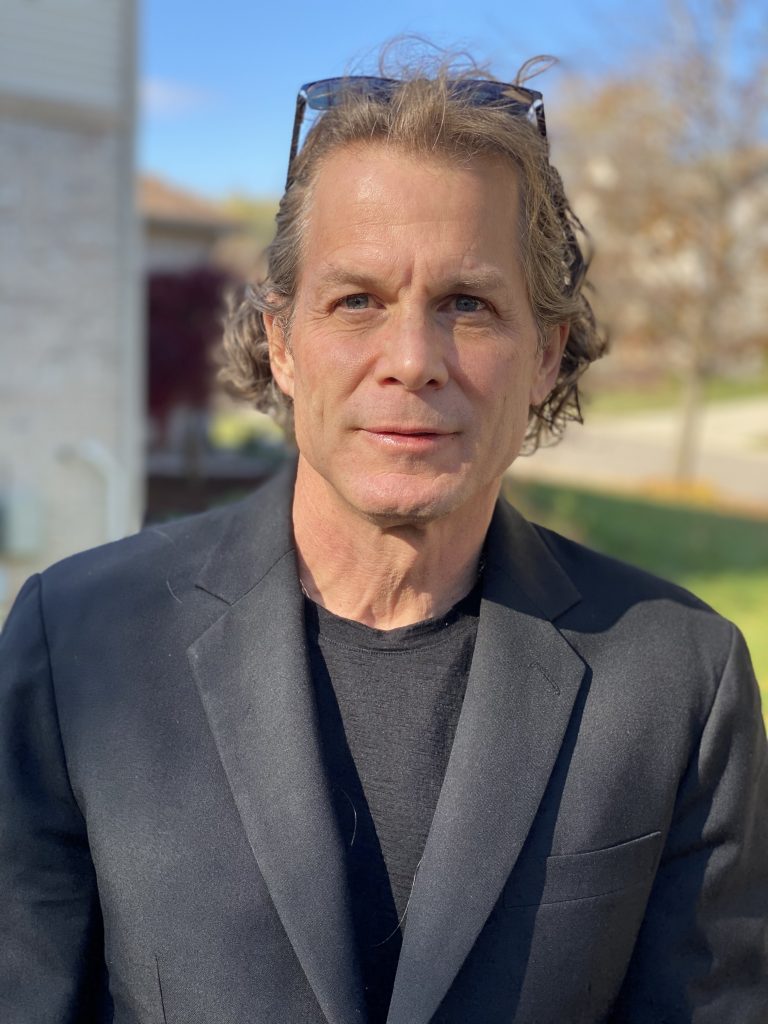
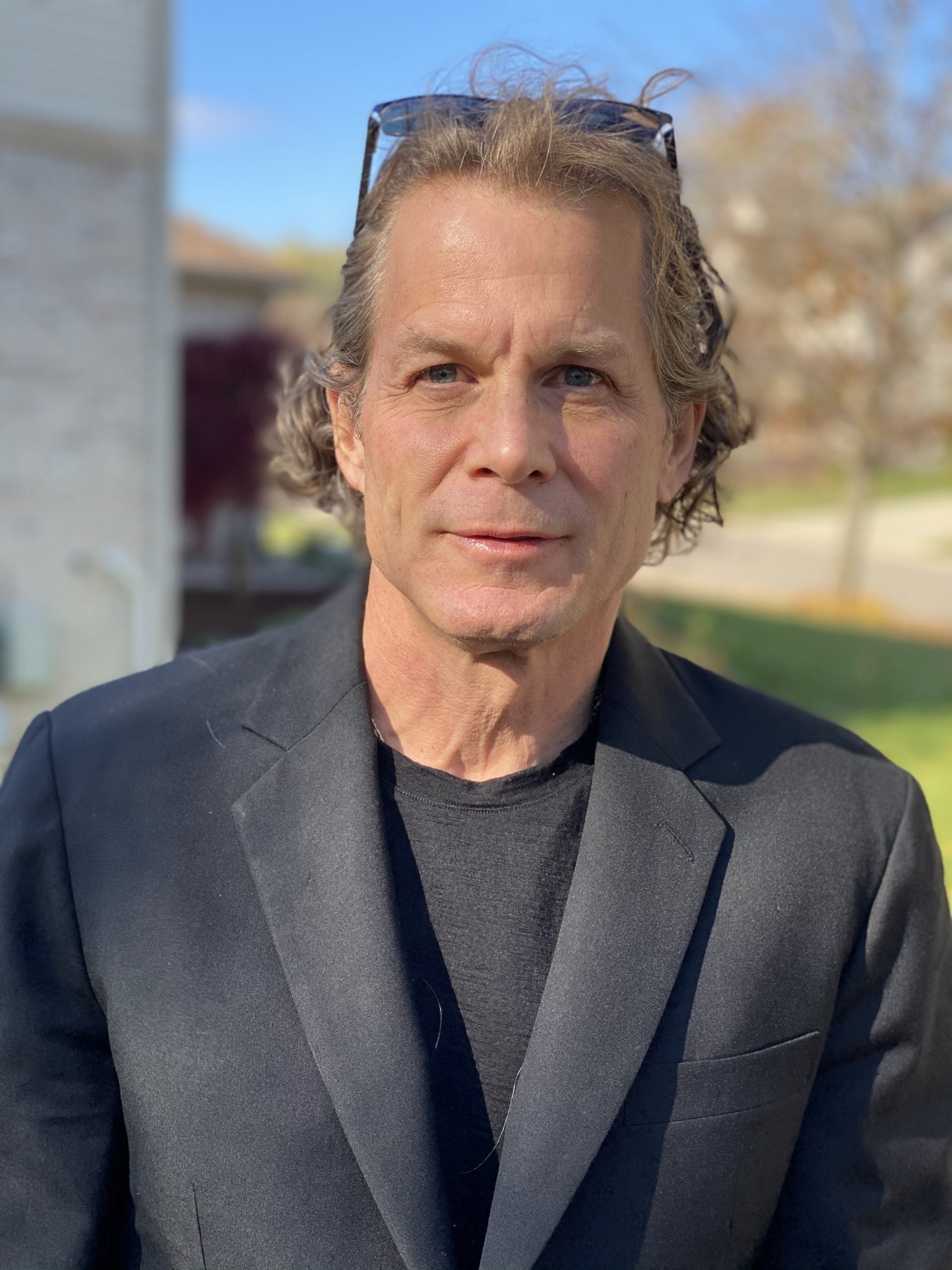
“We’re beginning to really understand the nuts and bolts of organ homeostasis, which means we’re starting to understand the rules of engagement of stem cells and progenitor cells and individual organs, how they are regulated, how they stay alive, self-renew, and differentiate continually.” — Gary D. Hammer, MD, PhD, professor of Internal Medicine, Cell and Developmental Biology, and Molecular and Integrative Physiology, University of Michigan, Ann Arbor
The gaps are obvious. While there are technical and scientific challenges, industry and governmental agencies have slowly become more risk tolerant to funding such research and translation into the clinical realm for rare (adrenal) diseases. While operational funding of cooperative groups like ENS@T and A5 have been a historic hurdle, as both groups have gained trust and proven value to investigator and clinicians alike, member dues and growing industry support are proving support for sustainable financial operations.
EN: What are some exciting developments or breakthroughs in the adrenal arena?
Pinto: One of the most exciting advances is our growing understanding of the tumor immune microenvironment, including how immune infiltration, antigen presentation, and immune evasion shape adrenal tumor behavior, opening new avenues for immunotherapy. Equally important is the recognition that developmental gene regulation plays a key role in adrenal tumorigenesis. Advances in long-read sequencing, single-cell approaches, spatial transcriptomics, and methylation profiling are revealing complex genomic architectures that were previously invisible. These approaches are redefining how we understand adrenal development, from embryogenesis to differentiation of fetal zones, and how disruptions in these programs predispose to tumor formation. By combining developmental biology with population genetics and clinical endocrinology, we’re gaining insight into how founder variants, genetic modifiers, and ancestry influence disease risk. This allows for more precise screening strategies and frames adrenal disease not just as a rare clinical curiosity but as a public health consideration in specific populations. For example, studies of the TP53 p.R337H founder variant in Brazil illustrate how population-level genetics, interpreted in the context of developmental timing, can directly inform surveillance and risk assessment strategies.
Rainey: I’m particularly excited by the translational and clinical research momentum in primary aldosteronism. First, multiple research teams have shown that most primary adrenal disorders of steroid excess arise from germline or acquired somatic gene mutations that drive inappropriate cortisol or aldosterone production. These studies pair with translational studies that suggest primary aldosteronism is more common than previously appreciated and represents a continuum of disease—beginning with subclinical aldosterone excess and, over time, progressing to classic, hypertension-associated primary aldosteronism. This shift has challenged earlier approaches that restricted screening to selected subgroups of patients with hypertension. As a result, the most recent Endocrine Society Clinical Practice Guidelines for primary aldosteronism recommend screening all patients with hypertension.
Second, clinical advances are poised to simplify primary aldosteronism subtyping into surgically curable unilateral disease versus medically managed bilateral disease. Promising approaches include nuclear medicine techniques such as PET imaging with tracers that can target aldosterone-producing tumors. Research is ongoing, but initial studies show potential for decreasing the role of adrenal vein sampling in disease subcategorization. Complementing these developments is the growing use of steroidomics—mass spectrometry–based profiling that quantifies an expanding panel of steroid hormones and metabolites in serum and urine. This strategy also has the potential to streamline and shorten diagnostic workflows and better match patients with the most effective therapy. Finally, I’m encouraged by therapeutic innovation across several adrenal steroid excess disorders. Most significant is the successful advancement of corticotropin-releasing hormone receptor blockers to treat congenital adrenal hyperplasia. Its success is being followed by newly developed aldosterone synthase inhibitors for primary aldosteronism, as well as ACTH receptor antagonists for conditions such as Cushing disease and congenital adrenal hyperplasia. While studies are ongoing, early clinical applications appear promising.
Merke: The development of new drugs for use in the management of CAH is by far the most exciting development.
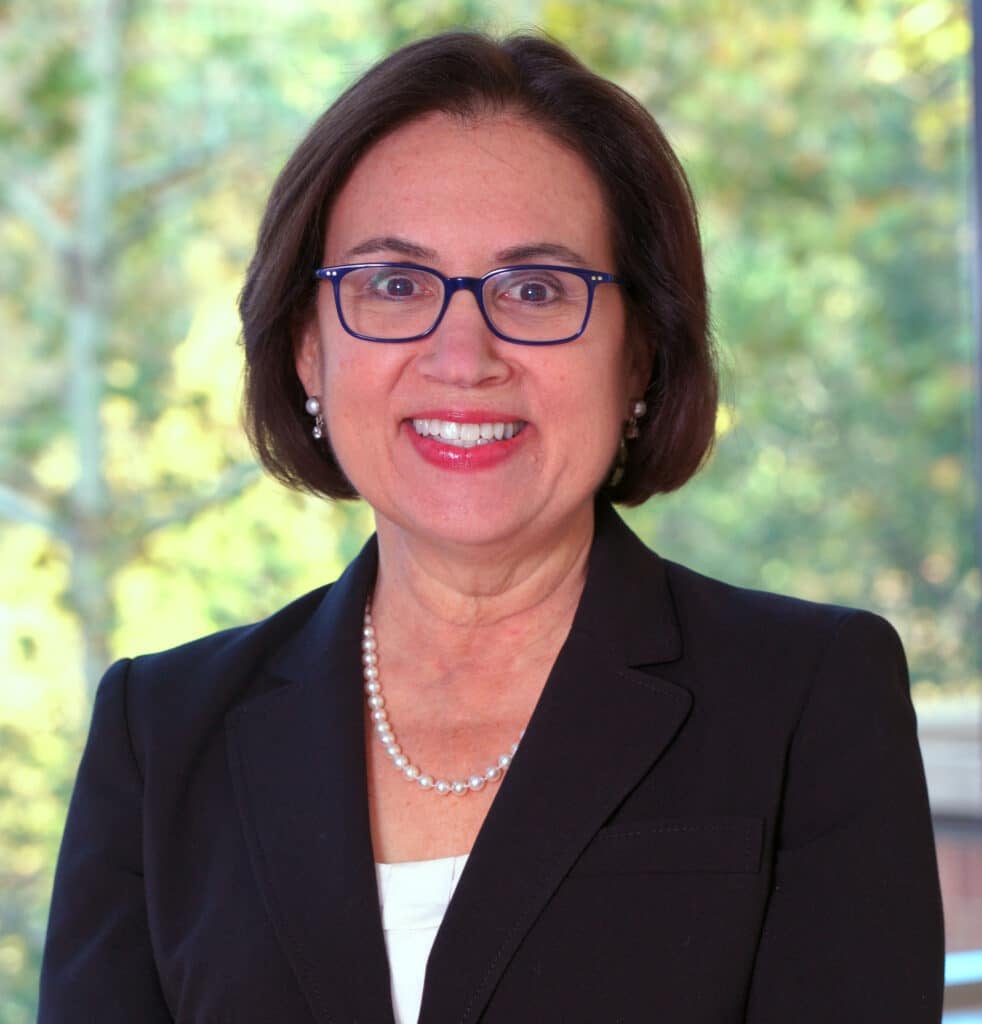
“Adrenal research and adrenal clinical care are rare, so a shared forum is essential to advance research and improve the care of our patients. The Endocrine Society has created a global community where adrenal researchers and clinicians can network, collaborate and work together to advance science and improve the care of our patients.” — Deborah Merke, MD, MS, senior investigator, chief, Department of Pediatrics, National Institutes of Health, Bethesda, Md.
Perrier: I’m really excited about the modeling that we’re able to render preoperatively. We can use CT scanning and MRI, and it allows us to also be able to use software to recreate the anatomy, particularly in cases where we’re preserving particular aspects of the blood supply, to give us information about where to dissect, where not to dissect, and to guide that. And that is really exciting, because that is capable and available to us on a regular basis.
Using that computer-aided technology and high-definition planning and really doing it in a multidisciplinary fashion — in coordination with our radiologist, in coordination with how we set the expectations for our patients, and then using it to inform and educate patients, using it with our shared partnership of our endocrinologist about the timing, and setting the expectations really has been exciting and very rewarding.
On that same front, that ability for preoperative planning and that unique way to better understand anatomy, not just from a two-dimensional image or even from a three-dimensional image of recons, but being able to actually [3-D] print out the tumor surrounding structures: extent of parenchyma attachment, for instance, in adrenal cortical carcinoma, being able to really multivisceral resect and collaborate with structure reconstruction. If we need an interface with the vena cava, thrombus extension, attachment, the tumor into the renal hilum, all of that is much better delineated now, and that lets us plan together in a way that really maximizes teaming.
[Using 3-D models] we can identify potential anatomic challenges. It can guide our teaming for maximal efficient operative planning. And really, it engages everyone at a level that exceeds anything we’ve participated with in the past.
Hammer: The emerging acceptance of rare and ultra-rare diseases (often defined as rare clinical and genetic variants) by governmental agencies and the incentives provided for development of therapies for such have facilitated the development of quite a number of companies dedicated to rare adrenal diseases (ie: steroidogenesis inhibitors, drugs for adrenal cancer and pheochromocytoma) including two companies emerging out of work at University of Michigan.
Collectively, we are beginning to understand the nuts and bolts of organ homeostasis, which means we’re starting to understand the rules of engagement of adrenocortical stem and progenitor cells , how they are regulated, how they stay alive, self-renew, and differentiate continually. Moreover, at increasing frequency, studies have begun to uncover what goes awry in development and homeostasis that results in diseases of hormone deficiency, hormone excess and neoplasia.
Dueing my tenure as president of Endocrine Society, I made a case that the Society should start moving into support/advocacy for the emerging field of regenerative endocrinology. It is arguably one the lower hanging fruit for regenerative medicine. We need to be able to grow cells that can cell-renew and divide, live in a host and release hormone into the bloodstream. The endocrine system is an ideal test case / early adopter of new cell- and gene-based approaches to correct monogenic disorders of organ failure.
Gene therapy is now approved and used for various neurologic diseases. It is time. AAV technology and nanoparticles usedifferent techniques to deliver genes into cells. Such technologies are now being tested experimentally in vivo to correct genetic defects like congenital adrenal hyperplasia. There are over 40 monogenic diseases of adrenal failure. The goal is to correct them. Labs are now able to differentiated iPSC (induced pluripotent stem cells) into fetal adrenal organoids. In our lab, we can now take progenitor cells out of the adult adrenal, grow them and induce them to differentiate. Our goal is to then correct genetic defects ex-vivo and put them back into the organ in vivo to repopulate the failing organ..
I posit that this is one area where the field fendocrinology needs to go: parathyroid, pituitary, adrenal, thyroidovary and testis. And I think we’re making real progress and understanding cell lineage, signaling and transcriptional egulation of homeostasis in many of the endocrine organs.
EN: On that note, can you share what you consider to be defining moments in your career?
Pinto: An early defining moment in my career was identifying the TP53 p.R337H variant as a major risk factor for pediatric adrenocortical tumors and recognizing its founder effect in Brazil. That discovery reshaped our understanding of cancer risk in that population and showed that even low-penetrance variants can have a profound population-level impact. Another pivotal moment was realizing that genetic risk alone doesn’t tell the whole story. Pediatric adrenal tumors can now be classified based on their genetic alterations, revealing distinct molecular subgroups with different developmental origins, clinical behaviors, and outcomes. Discovering modifier variants and, more recently, insights into developmental mechanisms such as genome-wide paternal uniparental disomy, highlighted that cancer susceptibility is dynamic, context-dependent, and tightly linked to early development. I’m deeply passionate about adrenal research, and because these diseases are extremely rare, every observation matters. Even small discoveries, whether molecular, clinical, or developmental, can help advance understanding, improve patient care, and ultimately change outcomes in this underexplored field.
Rainey: Like many paths in life, serendipity played a major role in my becoming an adrenal researcher. As a financially strapped undergraduate, I joined my university’s work-study program and interviewed for several jobs, from working in the library to washing dishes in laboratories. In the end, I chose the lab of a new assistant professor who was just setting up his group. He devoted extraordinary amounts of time to my training and served as a career mentor and life coach. But the real “hook” was his unrelenting excitement about his research and about our experimental data—whether the experiments succeeded or failed. It so happened that his focus was adrenal cell biology.
After earning my BS and MS under his tutelage, I continued my training with an outstanding team of basic and clinician-scientist mentors during my PhD dissertation work, postdoctoral fellowship, and mentorship that continued as I became an independent faculty researcher. While certain publications might be seen as my team’s career-defining highlights, I believe my career was ultimately defined most by the privilege of learning from exceptional mentors who truly loved adrenal research.
It has now been nearly 50 years since I stumbled into this field. At this stage of my career, I now feel a responsibility to provide the same defining career moment to my trainees and to share my excitement about adrenal research so that there will be a next generation ready to lead the field.
Perrier: There were two [defining moments] that I can absolutely relate. One is the whole reason I became an endocrine surgeon, which at the time there really was no such thing as a dedicated endocrine surgeon. But it was my interaction and engagement with a patient who had a cortisol-producing tumor, making that diagnosis in a classic way and then being a part of the time when we were really seeing the introduction of laparoscopic adrenalectomy. Tangibly being able to touch that tumor and cure that patient in a defined time forever shot me on a course that then defined where I did a residency, what I did a fellowship in, and what my career has become.
The second is watching Martin Walz early on do a posterior approach to an adrenalectomy using a retroperitoneoscopic approach of insufflating CO2. That really changed the course of the way I approach adrenal glands, which we were able to come back and deploy, and has changed the face of our operations at MD Anderson and there about.
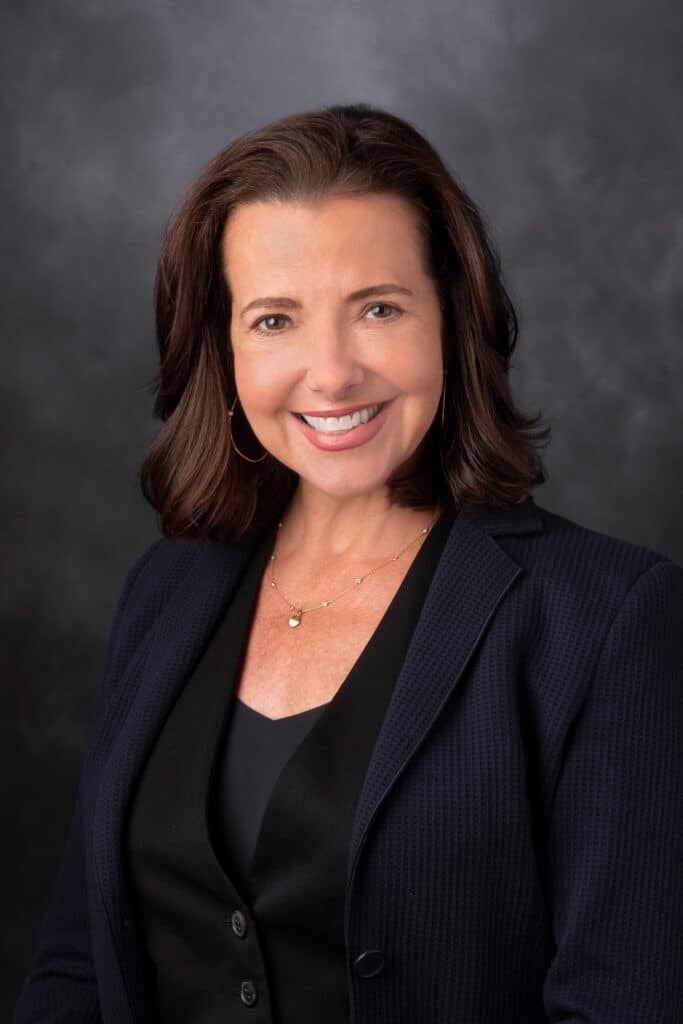
“I think the complexity of thinking through disease at presentation and then being able to really predict and prevent downstream disabilities from that, predicting who’s at high risk for bilateral disease, that’s asynchronous, who, at what age are they presenting with the aggressiveness of the disease and what we can expect. I think we can anticipate that much better now, and our surgical deployments are certainly more specific.” — Nancy Dugal Perrier, MD, Walter and Ruth Sterling Endowed Professor of Surgery, Department of Surgical Oncology; chief, Section of Surgical Endocrinology; associate director, Multidisciplinary Endocrine Center, M.D. Anderson Cancer Center, Houston, Texas
The ability to preserve vein, the ability to do adrenal cortical-sparing operations, the ability to operate on young children at early diagnosis — it really has changed our care for VHL patients and MEN 2 patients, as well as our enthusiasm for earlier intervention to save parenchyma. We used to delay intervention, because we were not confident in being able to save normal adrenal cortex or surrounding tissue, and we can now be much more timely.
EN: We’ve talked before about the iterative process of discovery when it comes to the adrenal gland – how research informs care and vice versa. Can you tell us a little about what you’re working on now?
Pinto: Right now, my current work is focused on defining the key differences between pediatric and adult adrenocortical tumors. I’m particularly focused on building new experimental models, including models carrying the p.R337H variant, to study tumor initiation, progression, and potential vulnerabilities. These models help us understand why certain tumors appear early in life and how developmental context shapes cancer risk. Ultimately, our goal is to translate these insights into biologically informed, effective interventions to improve outcomes for children affected by these rare tumors.
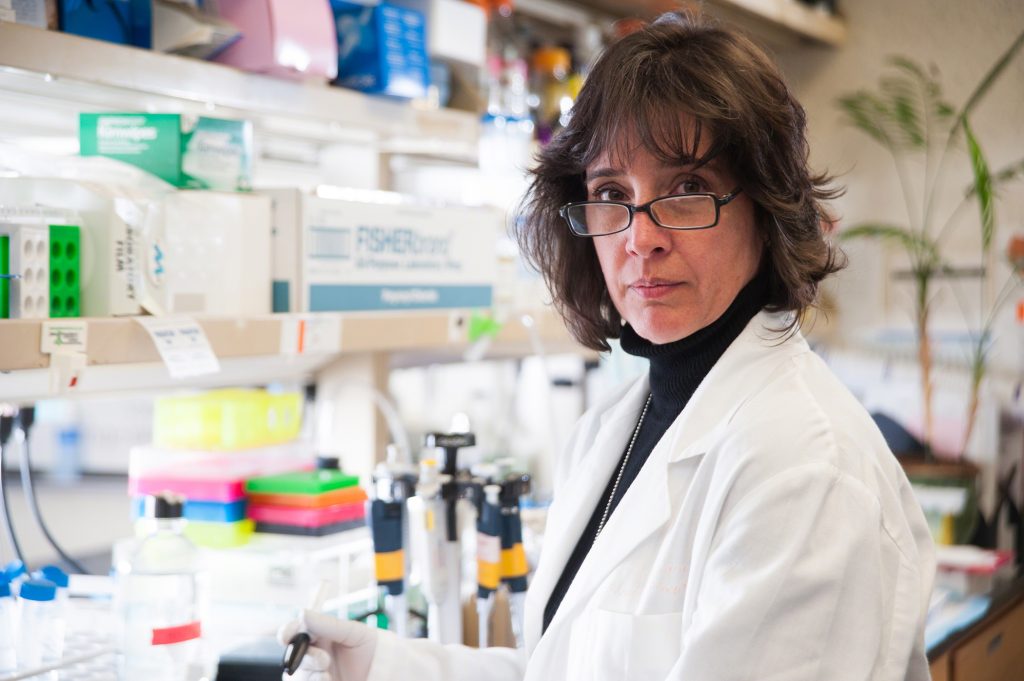
“I’m deeply passionate about adrenal research, and because these diseases are extremely rare, every observation matters. Even small discoveries, whether molecular, clinical, or developmental, can help advance understanding, improve patient care, and ultimately change outcomes in this underexplored field.” — Emilia Modolo Pinto, PhD, researcher Department of Pathology, St. Jude’s Children’s Research Hospital, Memphis, Tenn.
Rainey: Our team investigates the mechanisms that regulate normal adrenal steroid hormone production and the processes that drive disorders of steroid excess, including adrenal androgen excess, primary aldosteronism, and Cushing syndrome.
Our research on normal adrenal steroid biosynthesis has maintained continuous NIH funding for 25 years with the goal of defining the mechanisms underlying adrenocortical zonation, with a particular focus on zonal differences in steroid hormone synthesis. This work continues in collaboration with Dr. Gary Hammer’s lab, combining our expertise in cell and molecular biology with the Hammer lab’s transgenic mouse models for adrenal manipulation.
In adrenal androgen research, the University of Michigan teams (William Rainey, Adina Turcu and Richard Auchus Labs) have spearheaded efforts to understand human adrenal production of 11-oxygenated C19 steroids. These steroids represent a series of androgen precursors and bioactive androgens that are now recognized as important contributors to normal sexual development at adrenarche and as key mediators in conditions such as premature adrenarche, certain forms of polycystic ovary syndrome, congenital adrenal hyperplasia, and castration-resistant prostate cancer.
Over the last decade, a conceptual shift has transformed our understanding of the mechanisms underlying adrenal steroid excess. Our team (William Rainey and Juilee Rege Labs) have contributed to defining the cellular origins and genetic causes of primary aldosteronism and adrenal Cushing syndrome. Using a next-generation sequencing pipeline optimized for formalin-fixed, paraffin-embedded archival adrenal tumor samples, we have built strong multicenter collaborations with adrenal referral centers worldwide. Through this work, we have mapped the somatic mutation landscape of disease-causing adrenal lesions and characterized how age, sex, and race influence the genetic drivers of these disorders. Ultimately, we aim to translate these findings into more personalized approaches to the diagnosis and treatment of adrenal disease.
Merke: So many of the research questions I have asked over the years were due to impactful patient encounters. I have a vivid memory of the mom of a patient of mine showing me the “sludge” she noticed in the bottle of hydrocortisone suspension she had just picked up from the pharmacy. This led to a clinical study and the suspension being recalled by the FDA. My encounter with a 3-year-old child with classic salt-wasting CAH who had loose joints and spongy skin on physical exam was the beginning of my studies of the contiguous gene deletion syndrome, CAH-X.
We need to listen better to patients and do a better job at incorporating the patient voice in our management of patients. In 2024, we created CAHQL, the first validated CAH-specific patient-reported outcome instrument to capture health-related quality of life. We are now using this tool to evaluate our management of CAH. Our research builds on and contributes to the unique aspects of the NIH. We continue to develop new approaches to diagnosis, management and treatment using our large natural history cohort of over 450 patients with CAH at the NIH Clinical Center. Studies that focus on new treatments, disease management, novel biomarkers, improved genetic methodology and evaluating the long-term health of affected individuals continues.
Perrier: It’s important to really understand the molecular genetics of these patients. We have a dedicated endocrine geneticist and genetic counselor who’s available so that we can off-the-cuff educate the patient: inform, help them understand the disease, understand the platform for testing, the molecular basis of the disease to help not only educate the patient, but to really be forward-thinking with defining that treatment plan. The advent of bringing that into the clinical space is paramount to the way we approach patients.
We have a robust platform of looking at metabolomic and proteomic markers in serum, predicting aggressiveness or onset of disease. We’ve made progress in a collaborative way with our basic scientists and really having a robust animal model program, looking at being able to use receptors to target.
Hammer: Leadership is a verb, not a noun. Leadership embodies a team – in action. As Bo Schembechler said, Its all about …. “the team, the team, the team”.
Building on the legacy of Jerome Conn ( primary aldosteronism), Norm Thompson (one of fathers of Endocrine Surgery who created the first Endocrine Surgery Training Program) and William Beierwaltes, (MIBG and NP59), our adrenal team at the University of Michigan currently includes Rich Auchus, Adina Turcu, Bill Rainey, Tom Giordano, Tobias Else, Frank Worden and Katherine Wolf together with leaders in Endocrine Surgery, Adrenal Radiology and Adrenal Nuclear Medicine. – We’ve been working together now for over two decades, with a multidisciplinary team that’s encumbers and integrates both basic science and clinical care. I’m proud that all of these different people who we’ve been able to pull together, trust each other, and work together with a passionate focus on curing disease. I’m proud of the fact that we’ve been able initiate and grow the International Adrenal Cancer Symposium, coordinate the International Adrenal Meetings build A5 and become deeply embedded within the fabric of the Endocrine Society.
When discussing the outstanding graduate students and post-doctoral fellows in my own laboratory group, I am most proud of their work unraveling some of the rules of engagement of what we call the Sonic hedgehog-expressing adrenocortical progenitor cell andthe Sonic-Wnt relay of the cortical -apsular unit that is essential for normal homeostasis in health and goes awry in various diseases. Half of my lab studies this biology and as I discussed, we hope to use cell and gene-based therapies to correct various diseases of adrenal failure.
In the adrenal cancer space, others in our broader Unierwsity of Michigan adrenal team have linked adrenal cancer to a number of familial cancer syndromes with , Li-Fraumeni syndrome and Lynch syndrome being the most common, but most recently, Birt-Hogg-Dubé syndrome, where over 3% to 4% of patients with adrenal cancer have a mutation in the folliculin geneI think some of the most exciting work emerging from the lab is our burgeoning understanding of how metabolic programming coordinates different epigenetic profiles in three varieties of adrenal cancer As we learn how cancer usurps normal well-oiled programs that control normal homeostasis– we hope to exploit these cellular and molecular vulnerabilities to develop new therapies.
EN: In your opinion, what role has the Endocrine Society had in advancing adrenal research and care?
Pinto: The Endocrine Society has been invaluable for adrenal research and care. It brings together basic scientists, clinician-scientists, and practicing endocrinologists, creating a space where rare adrenal diseases get the attention they deserve and where young investigators can connect with leaders in the field. Through education, guidelines, and a global perspective, the Society helps ensure that discoveries reach patients. In such a rare and complex area, this support, and mentorship across generations, is priceless. Attending these meetings, you see role models in action and the inspiration they provide to young scientists. It’s a reminder of why nurturing the next generation of adrenal researchers and clinicians is so important.
Rainey: Sustained, adequate funding is essential to support basic, translational, and clinical research in adrenal biology and disease. At present, no adrenal researchers serve as standing members on the NIH study sections that review adrenal grant applications. The Endocrine Society should continue to encourage, and support qualified members to participate on these panels whenever possible. Without adrenal-specific expertise in the review process, U.S. adrenal research risks reduced funding and, consequently, diminished leadership in the field.
At the same time, the Endocrine Society should continue to invest in and elevate new and early-career adrenal investigators. Many fundamental questions in adrenal biology and disease remain unanswered and require a next generation of dedicated adrenal scientists.
Finally, the Endocrine Society and our adrenal experts should continue to proactively counter social media–driven misinformation that portrays adrenal excess or deficiency as widespread while promoting untested supplements as safe or effective treatments for nonexistent “adrenal disorders”. While public correction can be challenging because it could inadvertently amplify false claims, the expanding reach of these misconceptions into mainstream lifestyle publications needs a consistent evidence-based response by the Endocrine Society and its members.
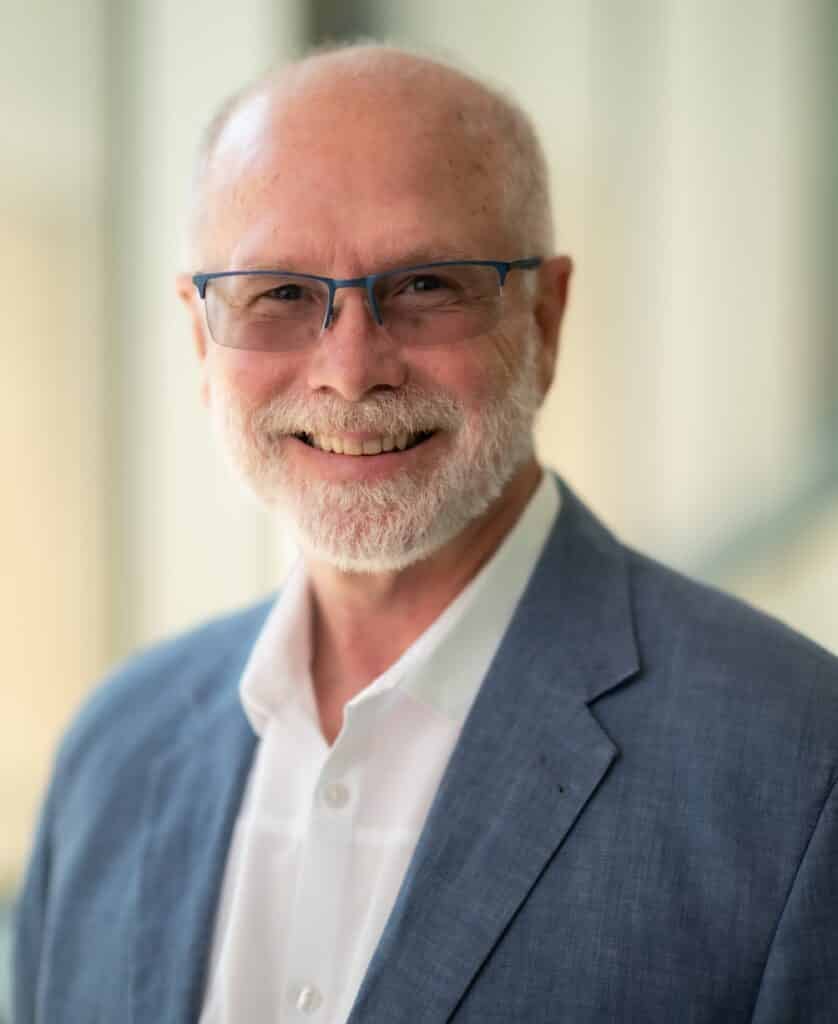
It has now been nearly 50 years since I stumbled into this field. At this stage of my career, I now feel a responsibility to provide the same defining career moment to my trainees and to share my excitement about adrenal research so that there will be a next generation ready to lead the field. — William Rainey, PhD, Jerome W. Conn Professor of medicine in the Departments of Molecular & Integrative Physiology and Internal Medicine at the University of Michigan, Ann Arbor
Merke: The Endocrine Society is the professional home to endocrinologists worldwide and brings together clinicians and researchers in many areas of endocrinology such as adult endocrinology, pediatric endocrinology, and reproductive endocrinology. Adrenal research and adrenal clinical care are rare, so a shared forum is essential to advance research and improve the care of our patients. The Endocrine Society has created a global community where adrenal researchers and clinicians can network, collaborate and work together to advance science and improve the care of our patients.
Perrier: The Endocrine Society is the go-to for the science of endocrine tumors. It is a fertile feeding ground of having a finger on the pulse for what we need to be paying attention to. The Endocrine Society does a terrific job of — particularly in the adrenal space — allowing a space for us to engage and interact. And it’s really the only place that we come together with our researchers in endocrine disease. It’s where science “meets the road.”
It does a terrific job of still being able to bring people together. I think today there is a lot of instant gratification and things being available with a touch and go on the phone, on PubMed online. And we’ve lost a little bit of the engagement that comes from knowing people and engaging. I think our younger peers are not as committed to multiple meetings as was once the case to actually engage. I think we have to be more selective now with our travel, because it’s not as necessary, but I think the Endocrine Society still puts forth the effort for the science to be there, and it is the worthwhile trip for the year.
Hammer: We would benefit for more engagement in the Society at the level of both industry and individuals (patients and advocates) to push the adrenal needle forward. I’m on the Board of Trustees of the newly -minted Hormone Foundation. Our aim is to raise funds to support the Society’s missions to optimize care, advance science, educate and advocate. We aim to engage individuals and groups that have capacity to support these noble goals.
While the Endocrine Society has limited resources, support should not only be defined by money. For example, Mila [Becker] and her team do an amazing job at advocacy for endocrine patients and for ES member research and care delivery. But, since I’m on the adrenal soapbox today – I would be delighted to see the ES increasingly be an enabler that can leverage and facilitate the interactions of empowered cooperative groups like A5 with governmental agencies, industry and patient groups to help our unified voice be heard and push the adrenal agenda forward
If the collective “we” continues to ground our questions in the best science and our goals in the best patient care, the ES will continue to the global leader in endocrinology.
Bagley is the senior editor of Endocrine News. In March, he wrote about the link between obesity and dementia.
The post Adrenal All Stars: Catching Up with a Handful of the Endocrine Society’s Leaders in Adrenal Research and Treatment appeared first on Endocrine News.
Apa Reaksi Anda?
 Suka
0
Suka
0
 Kurang Suka
0
Kurang Suka
0
 Setuju
0
Setuju
0
 Tidak Setuju
0
Tidak Setuju
0
 Bagus
0
Bagus
0
 Berguna
0
Berguna
0
 Hebat
0
Hebat
0