

















































%20and%20Batch%20Production%20Records%20(BPR).png)

















TRACS Enables Strain-Level Tracking of Microbial Transmission

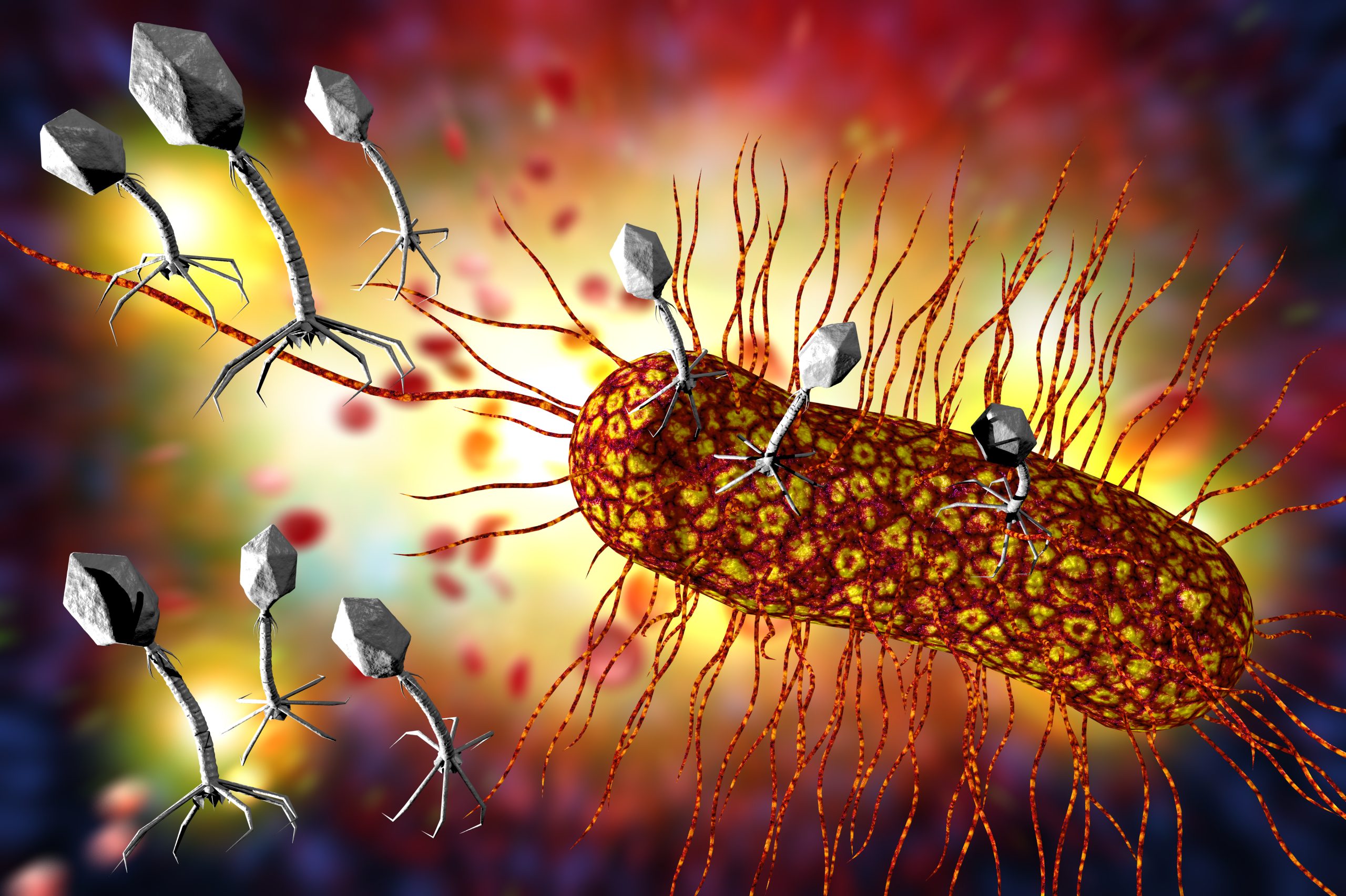
Tracking microbes is challenging, particularly when there are coexisting strains of the same species within metagenomic data. However, overcoming that challenge is important for inferring transmission of both pathogenic and commensal microbes.
A new tool, called TRAnsmision Clustering of Strains (TRACS), distinguishes between closely related bacterial strains. The “highly accurate algorithm” can be used for “estimating genetic distances between strains at the level of individual single nucleotide polymorphisms, which is robust to intra-species diversity within the host.”
Researchers used the TRACS tool to map the transmission of SARS-CoV-2, Streptococcus pneumoniae, and Plasmodium falciparum (the causative agent of malaria) across different populations. The tool may play an important role in infection prevention, outbreak response, and the development of treatments designed to help the human microbiome fight infection. They note that this tool can be used across microbial kingdoms to uncover strain dynamics.
“Traditionally, this has been very difficult for us to achieve, yet it is incredibly important to know, as people can carry several slightly different versions or strains of the same species at once, which makes it challenging to understand how microbes move between individuals,” notes Gerry Tonkin-Hill, PhD, group leader at the the Peter MacCallum Cancer Centre and the Peter Doherty Institute at the University of Melbourne, Australia. “Using this new technology, we can now overcome this challenge and gain a clearer picture of how microbes are shared between people. This will give us a better understanding of how microbes spread to help us prevent infection in vulnerable populations, like our cancer patients.”
This work is published in Nature Microbiology in the paper, “Strain-level transmission inference across multi-kingdom metagenomic data using TRACS.”
Being able to track the spread of pathogens using genomics has become a major tool in public health and can help inform new ways to prevent transmission. Additionally, it can help understand more about how lifestyle and environmental factors are involved in the transmission of these pathogens, and their role in the microbiome.
Currently, genomic tools used to track multiple bacterial species do not have the speed and flexibility required for routine public health monitoring and can struggle to distinguish between samples transmitted recently and those transmitted years ago. Furthermore, it can be difficult to continuously add in new samples, making real-time surveillance difficult.
The TRACS algorithm identifies and analyzes Single Nucleotide Polymorphisms (SNPs) to estimate how closely related the pathogens are, and if they are likely to have recently been transmitted. This approach allows for the continuous integration of new samples, making it an ideal tool for accurately identifying transmission networks and ruling out transmission events in ongoing public health applications.
In this new study, the team used TRACS to map pathogen transmission networks across three different populations, all of which had different genomic data. They applied it to SARS-CoV-2 data from U.K. hospitals, deep population sequencing data of Streptococcus pneumoniae and single-cell genome sequencing data from malaria patients infected with Plasmodium falciparum. They found that the tool was able to identify different pathogens in one sample and infer where these were each transmitted.
They also used TRACS to study how microbes are passed from mothers to infants and found that one beneficial bacterium, Bifidobacterium breve, persisted in infants longer than previously recognized, something that previous methods have missed.
More superficially, the authors note that “applying TRACS to gut metagenomic samples from a mother–infant cohort revealed species-specific transmission rates and identified increased the persistence of Bifidobacterium breve in infants, a finding previously missed owing to the presence of multiple strains.”
“This research could support the development of new treatments that use beneficial microbes to improve health,” notes Trevor Lawley, PhD, group leader at the Wellcome Sanger Institute. “By understanding exactly how microbes move between people and which of them are more likely to thrive in their microbiome, we could design better ways to increase helpful gut microbes and investigate whether there are ways to use these to help prevent infections, opening the door to safer healthcare environments and new microbiome-based therapies.”
The post TRACS Enables Strain-Level Tracking of Microbial Transmission appeared first on GEN - Genetic Engineering and Biotechnology News.
Apa Reaksi Anda?
 Suka
0
Suka
0
 Kurang Suka
0
Kurang Suka
0
 Setuju
0
Setuju
0
 Tidak Setuju
0
Tidak Setuju
0
 Bagus
0
Bagus
0
 Berguna
0
Berguna
0
 Hebat
0
Hebat
0