















































%20and%20Batch%20Production%20Records%20(BPR).png)















Building a business: leadership lessons from the architecture sector

Architecture titan Scott Millington shares how a focus on buildability, clear communication and stepping away from the ‘lead worker’ role can drive growth in any service.
Could you introduce yourself and give us some background on your business?
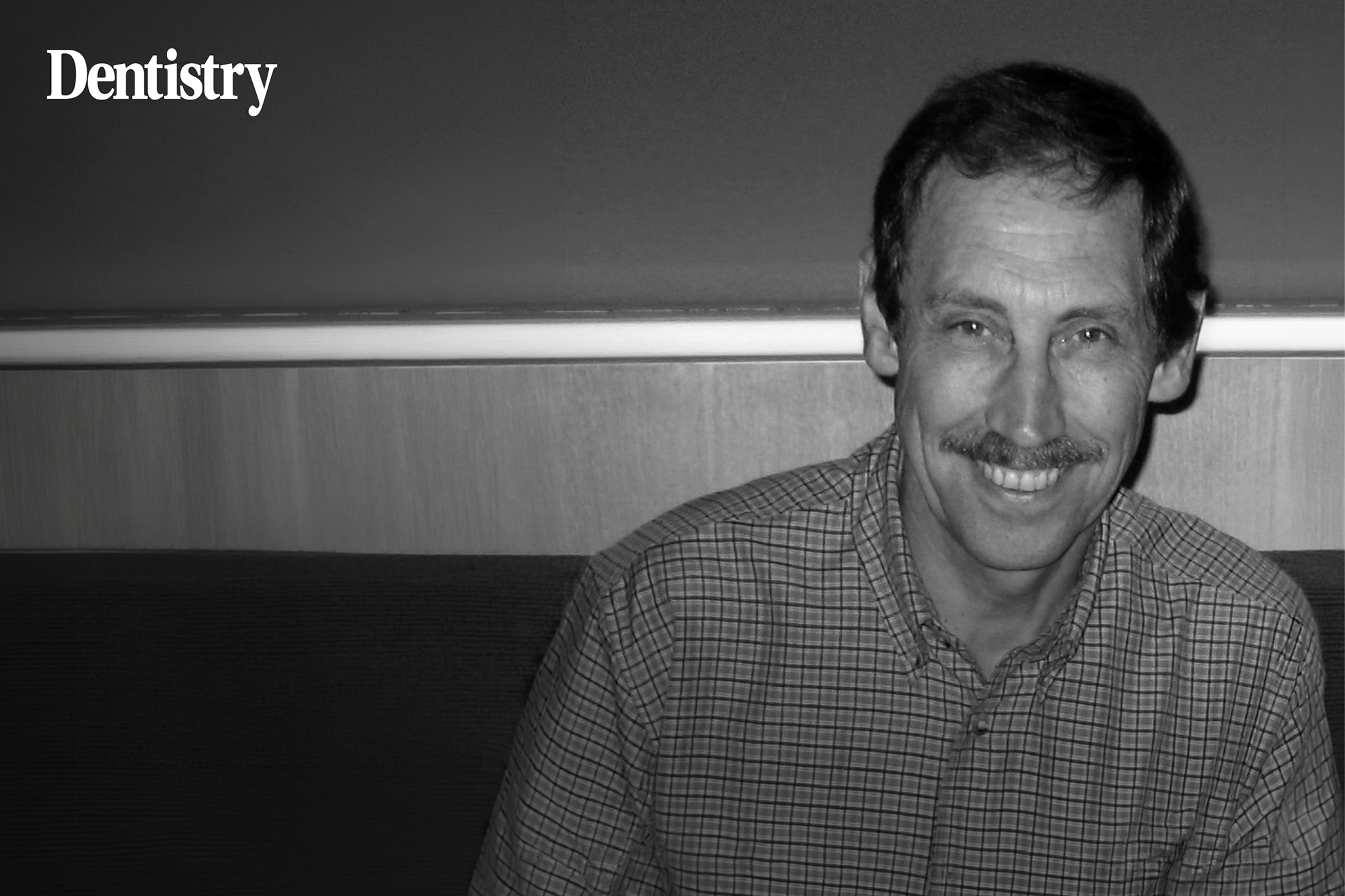
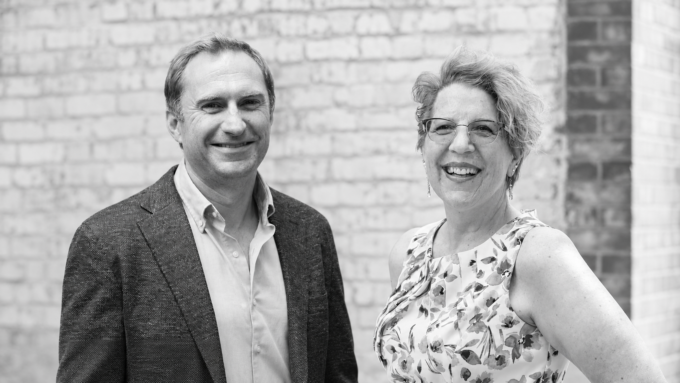
I’m Scott Millington, director and co-founder of Evoke Architecture.
We work across residential, hospitality, and commercial projects throughout the UK having just recently completed 51 lodges at Chester Zoo’s new The Reserve hotel scheme.
I didn’t fall into architecture by accident. It takes a lot of commitment and drive to get to the finish line.
I knew early on this was what I wanted to do, mainly because I could draw in perspective and understood space in a way that stuck. That clarity matters, because committing to seven years of training is not something you get through without a clear end goal.
I came into the industry through the standard route, education followed by practice, but the shift came once I was working on live projects. I started to see a gap.
A lot of practices focus heavily on design, but less on whether it actually gets built efficiently, stays on budget, or delivers what the client needs commercially.
That was the driver behind starting Evoke.
The idea was simple, architecture should lead to something tangible. It needs to get through planning, be buildable, and stack up financially.
That mindset still shapes how we operate.
In your industry, how do you differentiate your business from the competition?
In both architecture and dentistry, the core service can look similar from the outside.
Most practices can deliver the technical side. The difference is in how it is delivered and how well it reflects what the client actually wants.
For us, that starts with people. The way you deal with clients face to face, the confidence you give them, and how clearly you communicate.
We also make a point of not assuming what clients value. We establish it early through direct conversations about priorities, budget, risk and end goals.
Once that is clear, it guides everything. Decisions are tested against those priorities rather than personal preference.
A lot of our work is repeat business. That comes down to trust in the team, how we handle projects, and the standard we maintain.
We are seeing a rise in the cost of living and business overheads. As a leader, what is your strategy for maintaining profitability during tough economic cycles?
Cost pressure is constant in construction, so the response has to be built into how you operate.
Most margin is not lost on quality, it is lost through inefficiency.
Poorly defined briefs, late changes, and rework are what erode profit.
So the focus is on tightening those areas from the start.
We push for clear decisions early and document them properly.
A well-defined project runs faster, with fewer issues, and less wasted time.
Internally, we stay disciplined. The team is structured around workload, not excess capacity. External support is brought in when needed rather than fixed into the business.
There is also a commercial reality. If fees do not reflect the service and risk, the numbers do not work.
Underpricing to win work usually creates more problems than it solves.
What is your philosophy on recruitment and retention?
Recruitment starts with ability. You need people who can deliver to a high standard.
After that, it is about how they think, communicate, and take responsibility.
Retention comes down to ownership. People disengage when they feel like they are just assisting.
If they are responsible for a piece of work and understand its impact, they invest in it.
We involve the team in real decisions early. That builds accountability and confidence. It also improves the work, because people are thinking rather than just following instructions.
If someone is only ‘showing up’, that is usually a failure in how the role has been set up, not the person.
Many dentists struggle with being both the ‘lead worker’ and the ‘business owner’. How do you balance the day-to-day with the strategic thinking required to grow it?
This is a common issue in architecture as well. Early on, you are both the lead designer and the business owner, and the two roles compete for time.
It is easy to prioritise the fee-earning work, but that can hold the business back.
They are fundamentally different roles. One is about detail and delivery. The other is about direction, decisions, and managing risk.
Trying to do both at full capacity does not work long term.
At the start, you have no choice. Over time, the shift has to be deliberate.
I’ve stepped away from being involved in every drawing and focused more on oversight, key decisions, and client relationships.
That only works with a strong team and clear systems. If those are not in place, you get pulled straight back into the detail.
You also have to protect time. If every day is taken up with project work, there is no space to think about where the business is going.
Every successful entrepreneur has a ‘war story’. Can you tell us about a significant mistake or setback you encountered in your business journey?
Early on, I took on projects that were not properly defined, mainly to secure work and keep things moving.
Those projects became difficult. The brief was unclear, expectations shifted, and the scope expanded beyond what had been agreed. That led to time being lost, fees eroded, and pressure on the team.
If the scope and expectations are not properly set at the start, the project will drift.
Now we are far more disciplined. We define scope in detail, challenge unclear briefs, and walk away from work that does not stack up.
Technology in all walks of life is moving incredibly fast. How do you decide when to invest and when to stick to the tried-and-tested methods?
Technology moves quickly, but most of it does not deliver meaningful value straight away.
We look at it in simple terms. Does it save time, reduce risk, or improve the end result? If it does, it is worth considering. If not, it is a distraction.
In architecture, tools like Building Information Modelling (BIM) are effective on complex projects where coordination matters. On smaller projects, they can slow things down.
There is also the cost of implementation. New systems take time to learn and integrate, and that has to make commercial sense.
Clients are not interested in what software you use. They care about whether the project works.
We adopt technology where it has a clear purpose and ignore it where it does not.
If you could sit down with a room full of aspiring business owners today, what is the one piece of advice you would give them?
Do not lose sight of what you enjoy, what you are good at, and what your clients actually need from you.
As a business grows, it is easy to drift. You take on the wrong work, stretch into areas where you are less effective, and lose focus on where you add value.
Long-term success comes from staying aligned with that.
At the same time, business is built on relationships.
The service matters, but people come back because they trust you and value how you work.
If you get those two things right, your strengths and your relationships, the business has a solid foundation to build on.
Follow Dentistry.co.uk on Instagram to keep up with the latest news and trends.
Apa Reaksi Anda?
 Suka
0
Suka
0
 Kurang Suka
0
Kurang Suka
0
 Setuju
0
Setuju
0
 Tidak Setuju
0
Tidak Setuju
0
 Bagus
0
Bagus
0
 Berguna
0
Berguna
0
 Hebat
0
Hebat
0