


































%20and%20Batch%20Production%20Records%20(BPR).png)












Living and working with endometriosis in dentistry
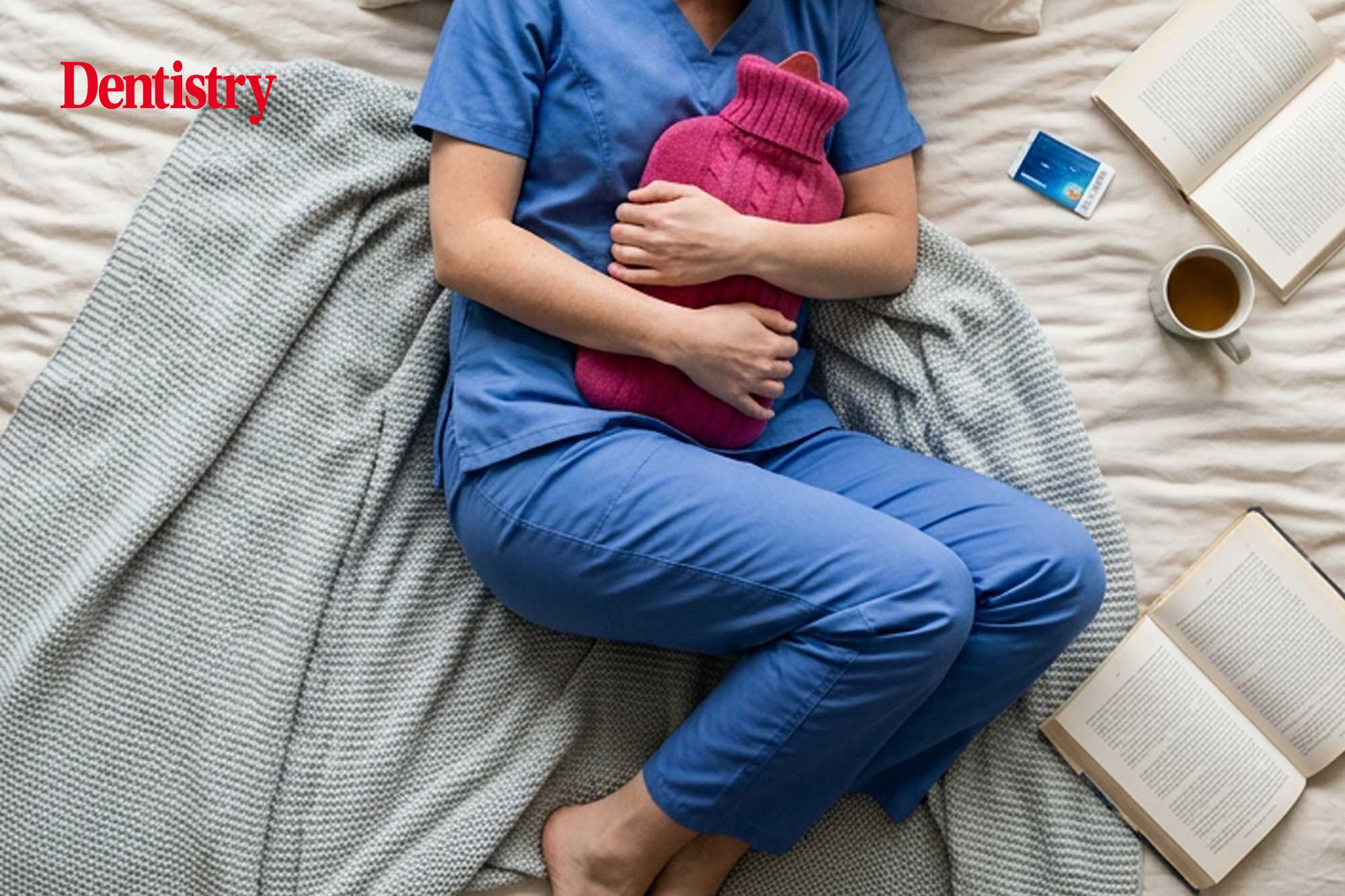
Anna Najran shares her experience of navigating endometriosis and adenomyosis alongside a career in dentistry, plus her advice for others who are suffering.
As a general and cosmetic dentist, I have cared for thousands of patients, helping them through everything from routine examinations to smile makeovers. Behind the scenes, I was pushing through intense pain, living with an undiagnosed chronic illness while balancing the demands of life as a busy working mum.
Looking back, I had struggled with my menstrual health since my teenage years, but over the last decade my symptoms progressively worsened. I experienced a range of symptoms, from intense pelvic pain and back pain to bloating, chronic fatigue and migraines. Despite seeking medical advice, my symptoms were repeatedly dismissed.
Like many women, I accepted this for a time. But I knew something wasn’t right and I kept advocating for myself. Eventually I was referred for an MRI and then on to an endometriosis specialist.
It was only when I underwent complex surgery that I was finally diagnosed with stage 4 endometriosis and adenomyosis and truly understood just how much I had been living with.
I am sharing this because I know I am not the only dental professional living with this invisible condition.
What is endometriosis?
Endometriosis is a chronic inflammatory disease in which tissue similar to the lining of the uterus grows outside the uterus. It is increasingly recognised as a systemic disease with effects extending beyond the reproductive system. Adenomyosis, which often co-exists with endometriosis, occurs when similar tissue grows within the muscular wall of the uterus.
Around one in 10 women are affected, yet diagnosis still takes an average of eight years. Symptoms can vary widely and may include severe period pain, chronic pelvic pain, lower back pain, pain during or after sex, heavy menstrual bleeding, bloating, bowel and bladder symptoms, chronic fatigue, nausea and fertility struggles. Because many symptoms overlap with other conditions, diagnosis is often delayed.
When dentistry masks the disease
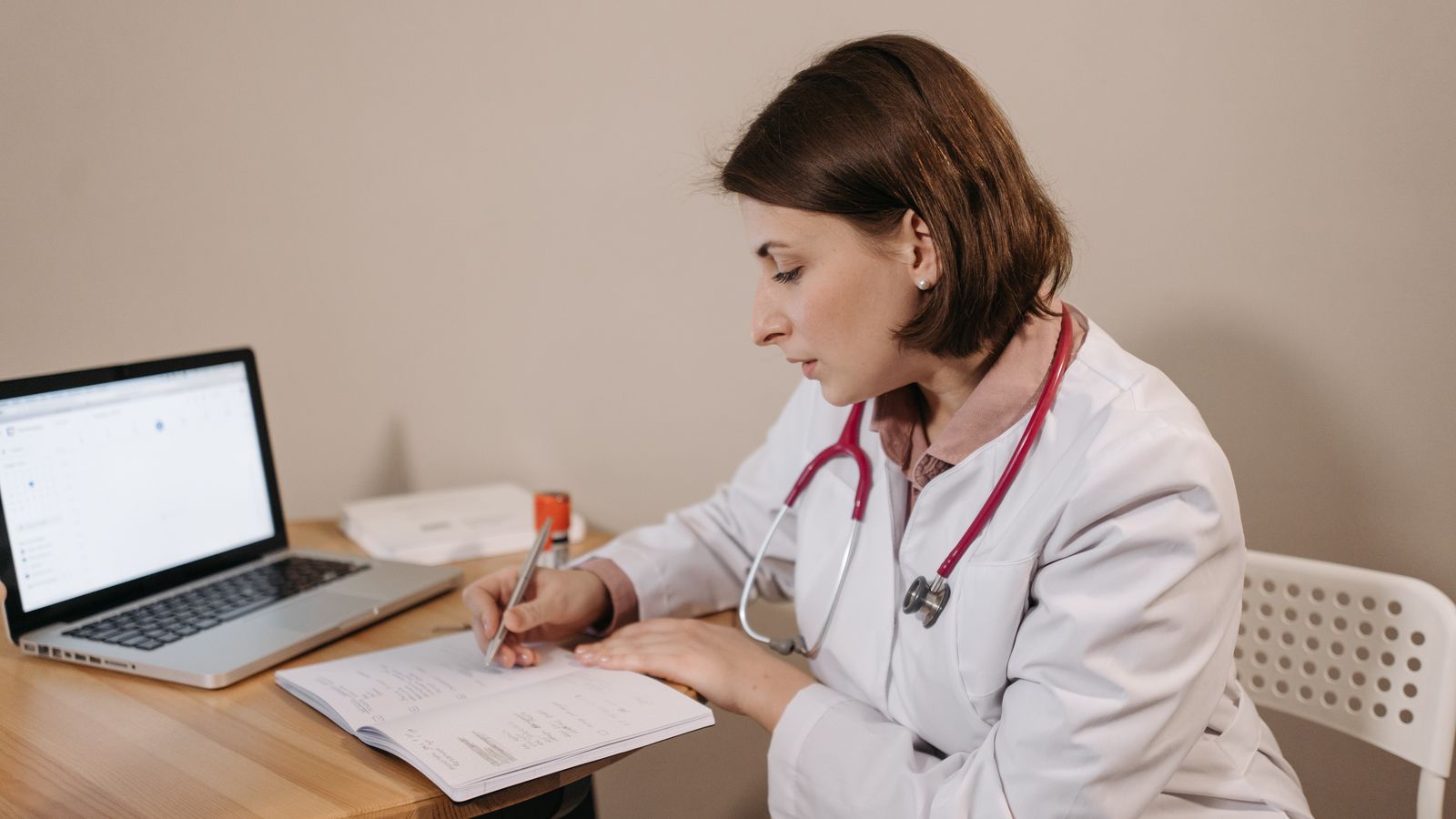
Dentistry is physically demanding at the best of times. We work in fixed positions for long periods, often leaning forward with a level of precision and concentration that leaves very little room for pain or discomfort. For someone living with endometriosis, where pelvic pain, lower back pain and fatigue are already part of daily life, those demands become even harder to bear.
My appointments range from routine examinations to smile makeovers lasting four or five hours. During those appointments there is little opportunity to move or relieve discomfort. Like many dentists, I assumed the headaches, back pain and exhaustion simply came with the busy clinics. It never occurred to me they could all be connected.
Dentistry can also be emotionally consuming. In a single day, we may see patients of all ages and backgrounds, each carrying their own anxieties, expectations and life circumstances. Some need reassurance, others empathy, while some simply need someone to listen. We instinctively adapt our communication, our tone and our approach to meet each patient’s individual needs before resetting and doing it all again for the next person.
When you are living with chronic fatigue, being fully present for every patient takes energy. Yet, as healthcare professionals, we become incredibly good at masking what we are experiencing so that every patient receives the same level of care, compassion and attention.
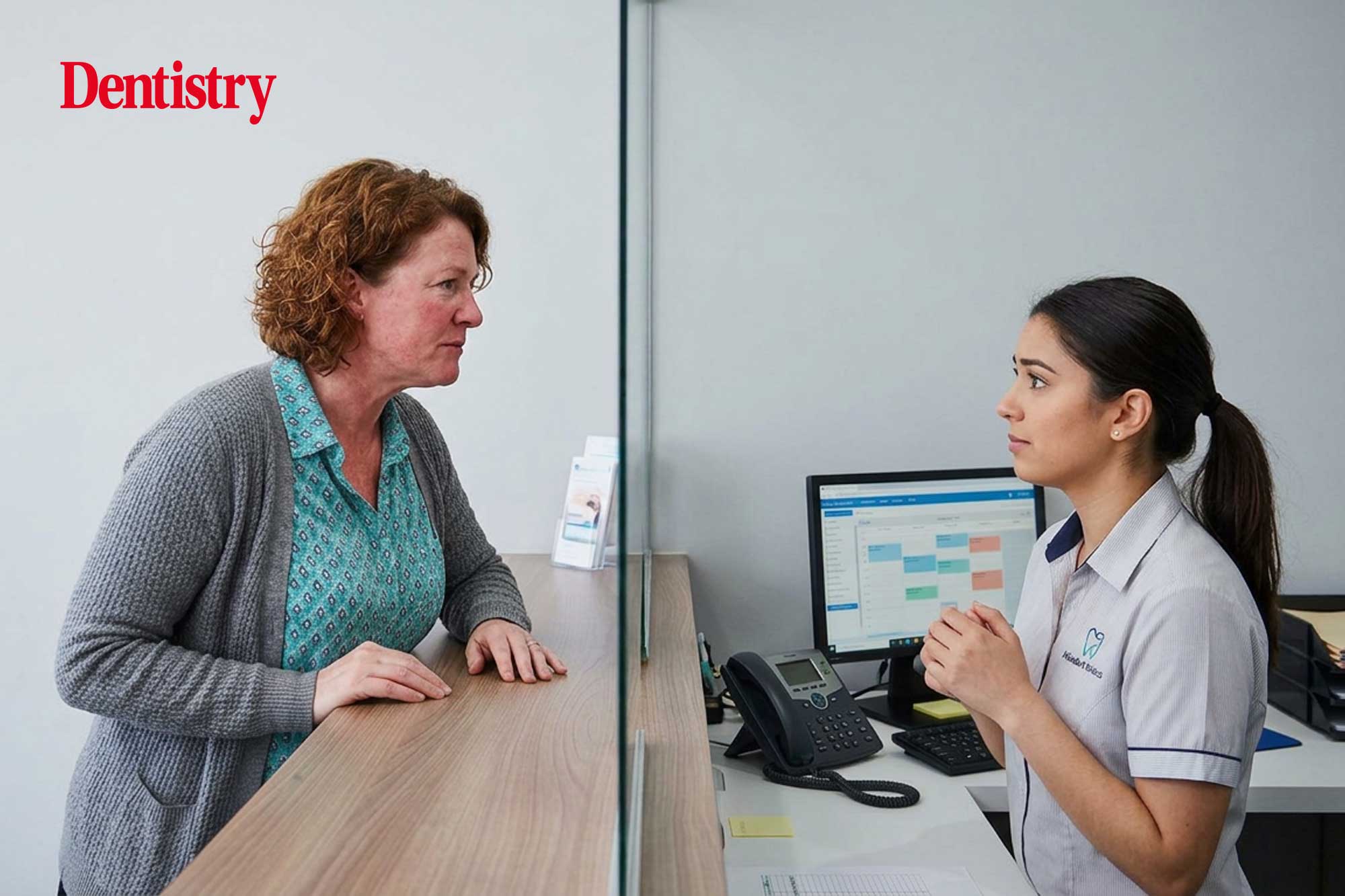
Managing GP and specialist appointments around a busy clinic diary is one of the less visible challenges of living with a chronic condition as a dentist. Moving or cancelling patients, even when necessary, carries its own weight of guilt, something many of us feel disproportionately.
What changed after my endometriosis diagnosis
Receiving my diagnosis did more than answer years of unanswered questions; it validated my symptoms and changed the way I think about health altogether. I threw myself into researching the disease and grew much more aware of my own triggers and flare-ups. The more I learnt about endometriosis and adenomyosis, the more empowered I felt to take an active role in my own health. Whilst my diagnosis gave me clarity, knowledge empowered me.
Endometriosis is complex. The causes of endometriosis are not fully understood, but hormones, inflammation, gut health, immune function and nervous system regulation can all play a role. That is why there is no single solution, and why managing it well often requires looking at the bigger picture.
Coping strategies
These are some of the things that have helped me:
- Adopting a more anti-inflammatory lifestyle, with a focus on nutrition, movement, sleep and recovery
- Focusing on gut healing, including high fibre foods and managing insulin resistance
- Using targeted supplementation to support my symptoms
- Reducing toxic load and switching to low toxin products where possible
- Optimising liver health to support hormone regulation and detoxification
- Tracking my symptoms to better understand my triggers, flare-ups and symptom patterns
- Being more intentional with my clinical diary, avoiding multiple long cases on consecutive days to allow adequate recovery
- Building short movement breaks into the day
- Using practical measures such as heat pads, a TENS machine and appropriate pain relief medication when needed
- Learning to adapt my exercise to how my body is feeling, recognising that recovery can be just as important as movement
- Incorporating mindfulness, meditation and complementary wellbeing practices, such as reflexology, into my routine
- Building a support network, whether that is a partner, close friends or a trusted member of your clinical team and leaning on them on the difficult days.
One of the biggest shifts has been learning to listen to my body rather than constantly pushing through. Having a well-trained clinical team around me has also made an enormous difference. When your nurse can independently handle tasks such as digital scanning, radiography, clinical photography and patient education, it meaningfully reduces both the physical and cognitive demands of a busy clinical day, and on the more difficult days, that support is invaluable.
Advice for colleagues living with endometriosis
If you are living with endometriosis or any chronic illness, the first thing I want you to know is that you are not alone.
Seek medical help and do not accept dismissal. If something feels wrong, advocate for yourself. Push for an MRI and ask for a referral to an endometriosis specialist. You deserve the same thoroughness of investigation that you would want for your patients.
Do your own research and explore what works for your body. Everyone’s experience of this condition is different and finding what helps you manage your symptoms is a personal journey.
Lean on the people around you, a partner, a close friend, a trusted colleague or your nurse. You do not have to carry this alone.
Final reflections
Living with endometriosis and adenomyosis has undoubtedly changed my life, but it has also changed the way I practise dentistry. It has made me more intentional with my health, more aware of the importance of recovery and even more empathetic towards the patients I care for every day. It has also reminded me what it feels like to sit on the other side of the consultation.
As dentists, we spend our careers educating and empowering our patients, encouraging them to understand their health and make informed decisions about their care. My diagnosis reminded me how powerful that knowledge can be. If sharing my experience helps just one dental professional feel seen, seek answers sooner or realise they are not alone, then telling my story will have been worthwhile.
Looking after ourselves is not a distraction from patient care; it is what allows us to continue providing it.
Follow Dentistry.co.uk on Instagram to keep up with all the latest dental news and trends.
Apa Reaksi Anda?
 Suka
0
Suka
0
 Kurang Suka
0
Kurang Suka
0
 Setuju
0
Setuju
0
 Tidak Setuju
0
Tidak Setuju
0
 Bagus
0
Bagus
0
 Berguna
0
Berguna
0
 Hebat
0
Hebat
0