
















































%20and%20Batch%20Production%20Records%20(BPR).png)














HELIX AI Model Accurately Predicts RNA Splicing, Unlocks Precision Medicine

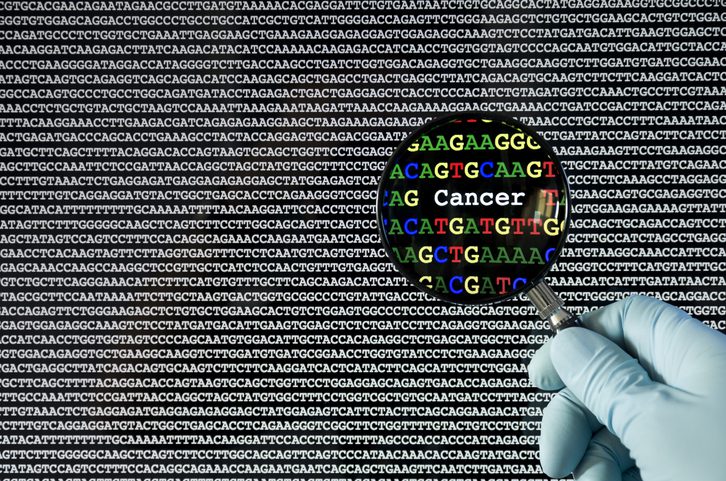
RNA splicing, in which different coding RNA, or exons, are joined together after noncoding regions, or introns, are removed, allows for a large array of RNA transcript isoforms with distinct sequences, and functions in tissue- and cell-type-specific patterns. Conversely, transcript isoform alterations can sensitively reflect dynamic changes in cellular states. Aberrant splicing is closely associated with major diseases, such as cancer.
In a new study published in Nature Computational Science titled, “HELIX: a scalable model for predicting context-dependent regulation of RNA splicing and isoform usage,” researchers from the Chinese Academy of Sciences have developed an AI-driven framework that enables highly accurate prediction of RNA splicing and isoform usage by integrating genomic sequence features with tissue-specific RNA binding protein (RBP) expression profiles. The work offers valuable insights for splicing regulatory patterns, pathogenic variant interpretation, and precision medicine research.
Isoform usage is jointly regulated by multiple layers of control, including regulatory elements, such as splicing enhancers and silencers on exons and introns, and tissue microenvironments. Scientists have been challenged to accurately characterize and predict RNA splicing and isoform usage across tissues, cell types, and disease states.
The study’s AI framework, Hierarchical Explainable LSTM for Isoform eXpression (HELIX), overcomes the limitations of conventional approaches via a two-layer deep-learning architecture.
First, the framework integrates DNA sequence information with the expression profiles of 1,499 RBPs. Long short-term memory (LSTM) networks are then employed to effectively capture the complex dependencies and competitive relationships among multiple splice sites.
This design enables precise, reliable prediction of RNA splicing and transcript isoform usage. The model was trained and optimized on large-scale short- and long-read RNA-seq datasets covering 30 distinct human tissues, allowing accurate quantification of complex transcript structures and isoform usage. Results show that HELIX substantially outperforms existing mainstream methods in both splicing strength prediction and overall isoform usage prediction.
In disease-related studies, HELIX deciphered aberrant RNA splicing and transcript isoform alterations. Notably, the researchers identified widespread splicing dysregulation and abnormal isoform usage in tumor cells using large colorectal cancer cohorts.
The results reveal strong correlations among such alterations and genomic mutations, RBP dysregulation, and patient clinical profiles. Results support that splicing abnormalities can serve as key molecular signatures for tumor progression and guiding patient stratification.
The team also developed scHELIX, a single-cell RNA sequencing extension of HELIX. scHELIX supports high-resolution profiling of transcript isoform usage across different cell types and tumor subpopulations, which offer a refined view of intratumoral heterogeneity.
The findings reveal distinct RNA splicing and isoform usage patterns among tumor subclones, providing new clues for tumor evolution research and potential therapeutic target discovery.
The post HELIX AI Model Accurately Predicts RNA Splicing, Unlocks Precision Medicine appeared first on GEN - Genetic Engineering and Biotechnology News.
Apa Reaksi Anda?
 Suka
0
Suka
0
 Kurang Suka
0
Kurang Suka
0
 Setuju
0
Setuju
0
 Tidak Setuju
0
Tidak Setuju
0
 Bagus
0
Bagus
0
 Berguna
0
Berguna
0
 Hebat
0
Hebat
0