





























%20and%20Batch%20Production%20Records%20(BPR).png)







Guiding Curiosity: Talking with 2026 Outstanding Mentor Award recipient, Patricia Lee Brubaker, PhD
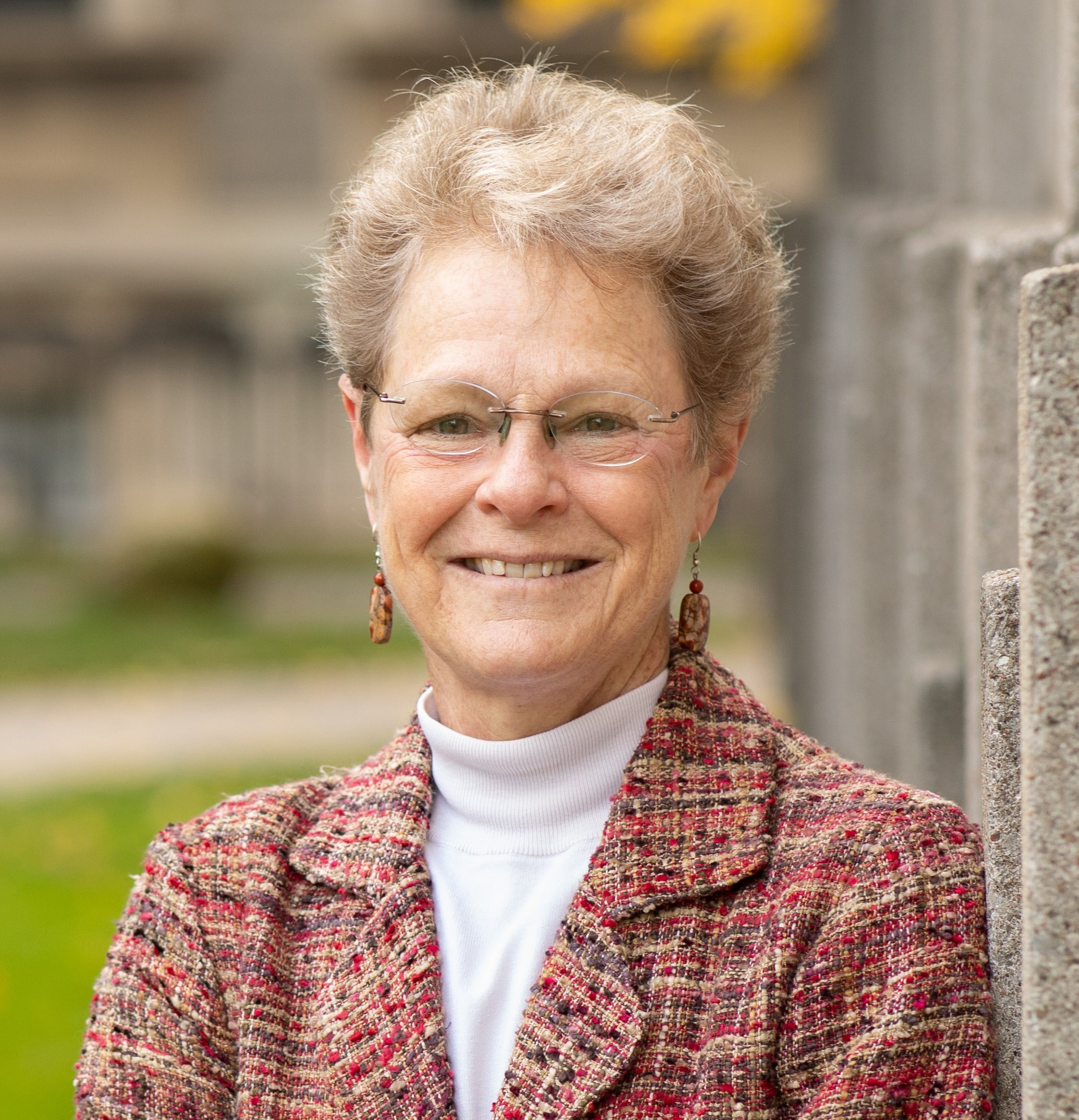
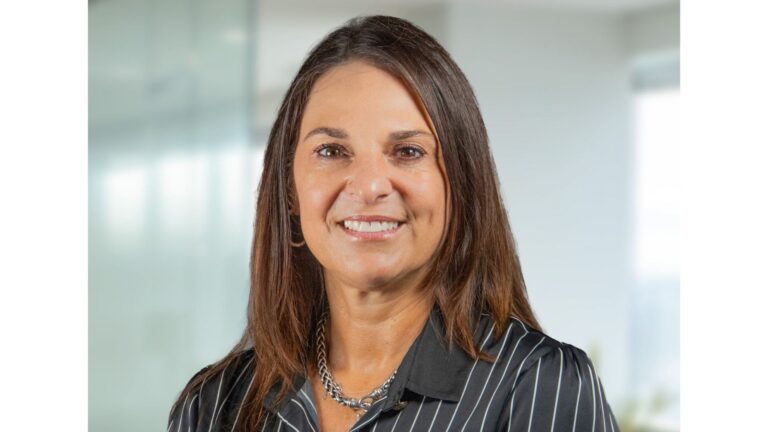
When Patricia Lee Brubaker, PhD, the Endocrine Society’s 2026 recipient of the Outstanding Mentor Laureate Award, was interviewing potential candidates to join her laboratory, she always kept in mind that she needed to choose someone she really liked as well as respected.
Mentorship is one of the most powerful forces in shaping scientific careers — guiding curiosity, building confidence, and opening doors that might otherwise remain closed. The Endocrine Society has recognized Patricia Lee Brubaker, PhD, as one of its 2026 Laureates with the Outstanding Mentor Award, honoring her career-long commitment to supporting and inspiring the next generation of researchers.
Brubaker, professor emerita in the Departments of Physiology and Medicine at the University of Toronto, retired three years ago after a distinguished 38-year tenure on faculty. Since 1985, she has mentored hundreds of postdoctoral fellows as well as graduate and undergraduate research students, helping them navigate their careers and achieve success.
We sat down with Brubaker to reflect on her approach to mentorship, the impact of her trainees, and what this recognition means to her.
Endocrine News: When you first heard the news that you won the outstanding mentor, what was your first reaction?
Brubaker: I was deeply honored to even be nominated. It really meant a lot to me because working with my trainees, of whom there have been over 200 in my career, has been the most fulfilling part of my career. In fact, I love the science, but I truly have loved working with my trainees. So, I was thrilled to be recognized by the Endocrine Society and humbled because I know that there have been a lot of outstanding mentors who’ve won this award before me.
EN: How do you describe great mentorship in science?
Brubaker: Part of being a great mentor is instilling self-sufficiency. You want your students to be able to go on into whatever career they choose with confidence and with skills, even if it’s not science. The ability to write, to prepare and deliver a presentation, to be in a question-and-answer situation. All of these are important skills. I also think a great mentor encourages exploration. So, it’s not just that you have a task to do and you don’t do anything else. You look around to see what else inspires you.
“Part of being a great mentor is instilling self-sufficiency. You want your students to be able to go on into whatever career they choose with confidence and with skills, even if it’s not science. The ability to write, to prepare and deliver a presentation, to be in a question-and-answer situation. All of these are important skills. I also think a great mentor encourages exploration. So, it’s not just that you have a task to do and you don’t do anything else. You look around to see what else inspires you.” — Patricia Lee Brubaker, PhD, 2026 Outstanding Mentor Award Laureate
Another thing that was important in my philosophy was that I assumed that pretty much anyone who came into my lab would have areas where they already had great skills and perhaps one or more areas where they would need extra assistance, whether that’s fear of presenting publicly or not understanding how to look at data analytically. So, I looked for areas in my incoming students to see where I could give them extra assistance so that by the time they finished, they were a more well-rounded individual.
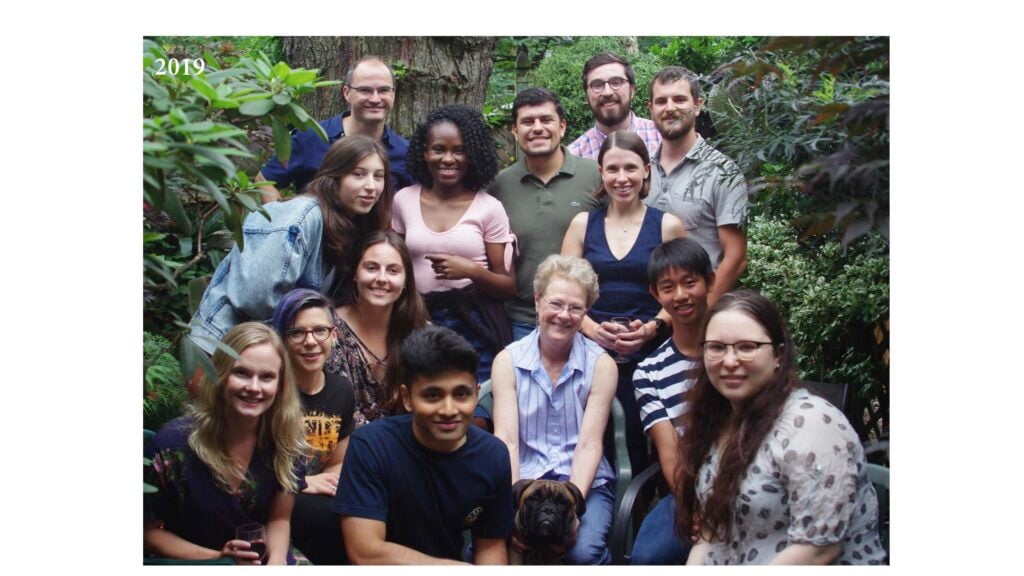
And finally, what I really enjoyed with my trainees, students, postdocs, and undergrads was that we also spent some social time together. We often had lunch or we went out for coffee. We had a lab lunch every month, and then every year I would invite the entire lab back to my house where I would cook dinner for them. That was also the time that we took the lab photograph for the year. So, I have photographs of probably 199 of my 200 trainees, and I put those photographs on a wall in my office to remind me of their contributions.
EN: What mentors made the biggest impression on you when you were beginning your career?
Brubaker: I had some wonderful, very generous mentors. The person who did have the greatest impact on me was a man named Dr. Joe Schwarcz. I first met him in 1973 when I went to CEGEP in Montreal, Quebec (in Quebec, you do CEGEP [Collège d’enseignement général et professionnel] between grade 11 in high school and first year at university).
Joe was my organic chemistry teacher, and he made organic chemistry come alive. He was just a brilliant teacher, and he took me and many of us, including my future husband, under his wing. We spent a lot of time with Joe talking about what we wanted to do and also just being friends. And I’m still in contact with him, 50 years later! He changed the trajectory of my career because until then, I had really wanted to go into medicine, but he introduced me to some of the joy of science.
EN: How do you train your students to deal with setbacks or failed experiments or any kind of frustrations that can happen in today’s science world?
Brubaker: It’s always difficult when you don’t get the result that you expect. And these are all things that we would discuss in our lab journal club, quite openly and quite frankly. Not all hypotheses are right. Not all techniques are the right way to approach a question. We would talk about whether it’s a species-dependent issue. For example, maybe it works in mice, but it doesn’t work in rats, or maybe it won’t work in humans eventually. We were very open in our discussions in the lab about reasons that things can go wrong. But in addition, sometimes the answer is no. Sometimes your hypothesis is wrong. But all knowledge is useful. In fact, I had a quote from Thomas Jefferson on my wall that I kept for many years. It says, “Knowledge is like a candle. When you light your candle from mine, my light is not diminished, it is enhanced, and a larger room is enlightened as a consequence.” It’s a wonderful quote, and I tried to live by that quote.
EN: I read that many of your mentees have continued your relationships long after they’ve left your lab. What did you attribute that longevity to?
Brubaker: I certainly don’t keep in contact with all 200, but I do receive a surprising number of emails every year from people who say, “I was just doing something in my life and it reminded me of you and things that you used to say and I wanted to write and see how you’re doing.”
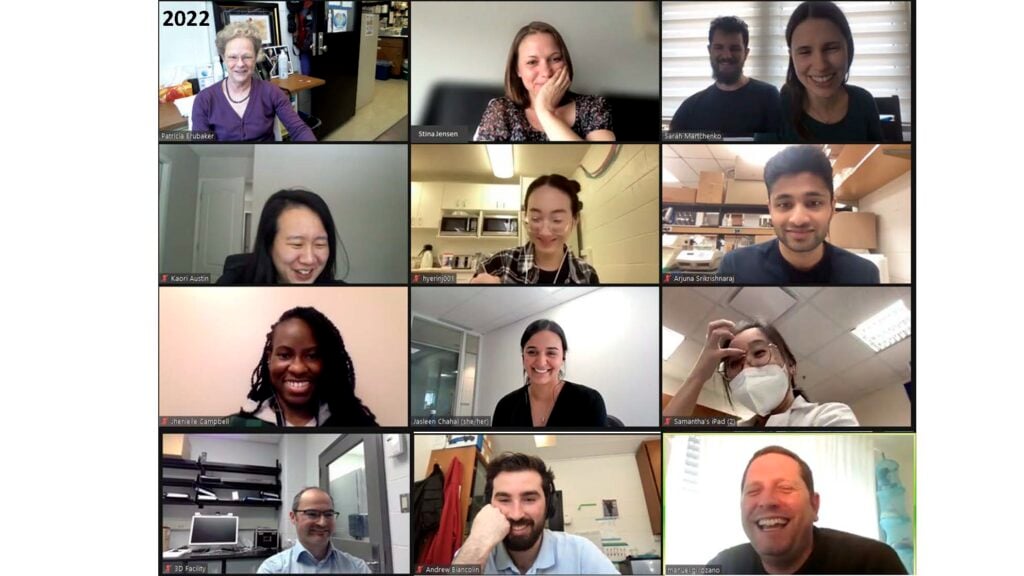
But I have former trainees that I continue to meet a couple times a year by Zoom or in person when possible. Some of these go back probably 25 or 30 years. And I attribute those long-lasting relationships to the fact that I hire people that I like. During the interview process, I go through this process in my mind saying, ‘this is going to be a very close relationship for the next two years or the next five years with this student, depending on the degree that they’re doing. Do I like this person enough to spend hours and hundreds of hours with them?’ By trying to make sure that I like them to start with, it becomes easier to develop a long-term relationship. And I like them as friends.
Also, my job as a mentor was to help advise and grow my students wherever they decided where they wanted to be after they left my lab. So, of the 150 undergraduates, maybe couple of dozen stayed on in science, but many of them went on to other careers. They went to medicine and dentistry. They also went into law. They went into teaching, accounting, just a wide variety of different careers. I was trying to make sure that I supported them in whatever career choice they had.
—Shaw is a freelance writer based in Carmel, Ind. She writes the monthly Laboratory Notes column and is a regular contributor to Endocrine News.
The post Guiding Curiosity: Talking with 2026 Outstanding Mentor Award recipient, Patricia Lee Brubaker, PhD appeared first on Endocrine News.
Apa Reaksi Anda?
 Suka
0
Suka
0
 Kurang Suka
0
Kurang Suka
0
 Setuju
0
Setuju
0
 Tidak Setuju
0
Tidak Setuju
0
 Bagus
0
Bagus
0
 Berguna
0
Berguna
0
 Hebat
0
Hebat
0