








































%20and%20Batch%20Production%20Records%20(BPR).png)


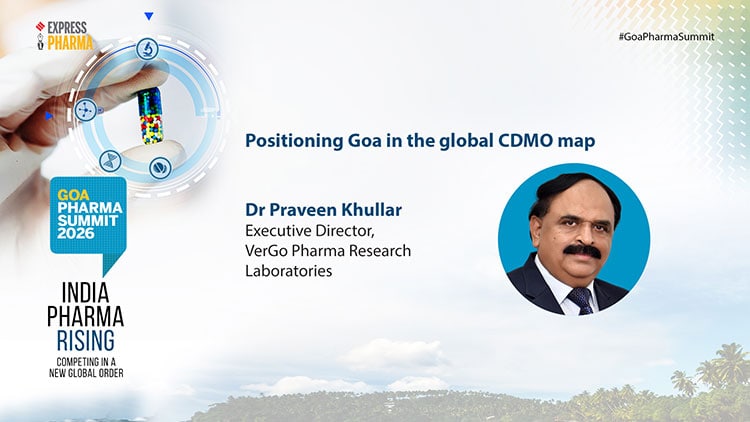






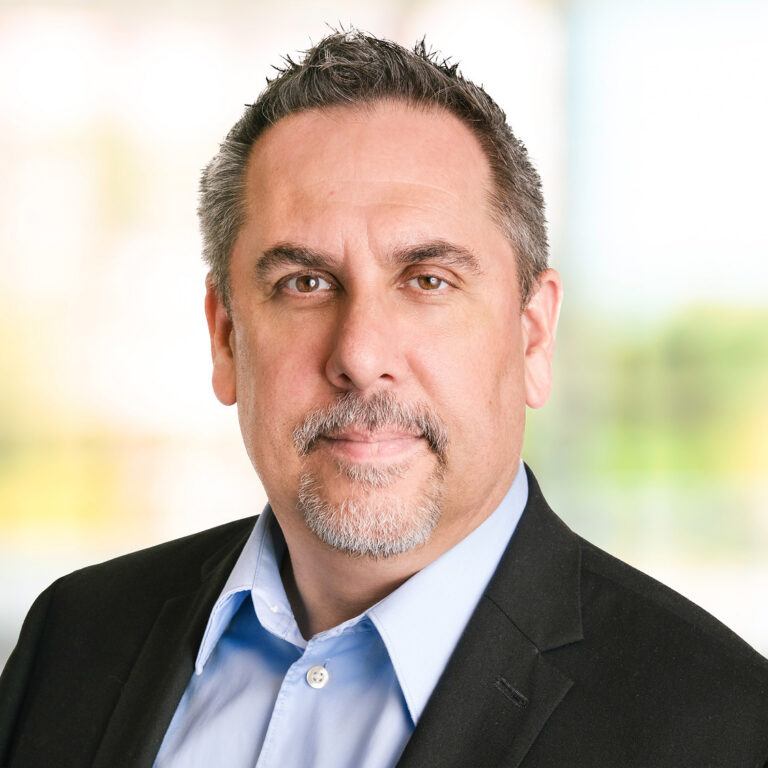




India has emerged as a strategically important hub for Merck
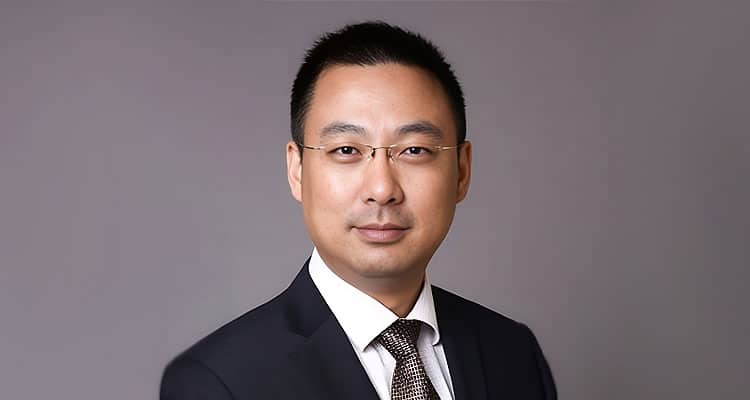
Since its expansion, how has the Peenya facility contributed to strengthening Merck’s manufacturing footprint in the Asia-Pacific region?
Peenya is one of the key manufacturing locations for the APAC region, particularly for Life Science operations, and over time, it has established itself as a benchmark for operational excellence. Following its recent expansion, the Peenya facility in Bengaluru has significantly strengthened Merck’s manufacturing footprint in APAC, evolving into a strategic hub for life science production.
The site consistently demonstrates high standards in safety, quality, efficiency, and compliance, positioning it as a model facility within Merck’s global manufacturing network. With this expansion, the facility is expected to play an even larger role in the production of advanced filtration technologies.
The development also supports the Government of India’s ‘Make in India’ initiative by strengthening regional biotech manufacturing capabilities and enhancing the reliability of global life science supply chains.
What role does the Peenya site play in enhancing supply chain resilience for global life sciences customers?
The expansion of the Peenya facility has significantly strengthened Merck’s ability to manage and supply filtration products to global markets. With new production lines for both hardware and consumables, the site now has greater capacity to support a more consistent and reliable supply of critical filtration solutions used in bioprocessing.
The facility is evolving into an integrated hub that supports multiple stages of the bioprocessing workflow in a single location. This transformation enhances operational flexibility and enables the site to respond more effectively to changing customer needs.
Its location in India provides access to a strong engineering talent pool and a well established supplier ecosystem, helping maintain efficiency while upholding Merck’s global quality standards. These strengths position Peenya as an increasingly important site for supporting growth across APAC while contributing to greater resilience and stability in the global supply chain.
With biologics, cell and gene therapies gaining traction, how is Merck adapting its and receive hands-on technical training. This helps them scale up production faster while reducing technology transfer risks and development costs. The centres also bridge the gap between research and commercial manufacturing by supporting process optimisation and providing specialised expertise in emerging areas such as cell and gene therapy production.
How is AI being integrated into day-to-day operations at the Peenya facility to improve manufacturing efficiency and consistency? manufacturing capabilities to support these next generation modalities?
Merck is continuously adapting its manufacturing operations to support next-generation therapies through investments in advanced technologies and specialised infrastructure.
The expansion of the Peenya facility includes capabilities for filtration hardware and systems that play a critical role in biologics manufacturing, particularly in purification and separation processes. These technologies support the scalable and high-quality production of complex therapies, including biologics as well as emerging cell and gene therapies.
Aligned with our “in-region for-region” strategy, the site leverages India’s skilled workforce and economies of scale while maintaining global quality standards, enabling Merck to support innovation, reliability, and supply resilience across APAC markets.
Can you elaborate on how platforms like M Lab at the Peenya facility are enabling process innovation and faster scale-up for customers?
Merck’s M Lab Collaboration Centers, located across APAC including Bengaluru, Singapore, Shanghai, Seoul, Tokyo, and Taipei, play an important role in accelerating pharmaceutical innovation.
Designed as non-GMP simulated environments, these centres allow customers to test processes, optimise workflows, and receive hands-on technical training. This helps them scale up production faster while reducing technology transfer risks and development costs.
The centres also bridge the gap between research and commercial manufacturing by supporting process optimisation and providing specialised expertise in emerging areas such as cell and gene therapy production.
How is AI being integrated into day-to-day operations at the Peenya facility to improve manufacturing efficiency and consistency?
Merck integrates AI across its operations to enhance efficiency and accelerate innovation. Sites in APAC, including Peenya, are currently in the pilot phase of implementing AI-driven solutions for manufacturing and operational processes.
As these initiatives evolve, AI is expected to play a growing role in improving efficiency, consistency, and decision making across manufacturing operations.
How is Merck leveraging local talent in India to support its global manufacturing and innovation goals?
As global manufacturing and innovation become increasingly complex and technology driven, India has emerged as a strategically important hub for Merck.
The country offers not only a deep pool of skilled technical talent but also the operational agility and advancing digital capabilities needed to support global ambitions.
Through continued investments in talent development, digital infrastructure, and specialised capabilities, Merck is strengthening India’s role within its global manufacturing and innovation ecosystem. We firmly believe that local excellence, when connected to global purpose, becomes a powerful engine for sustainable innovation.
What are the key challenges in building a robust and agile life sciences supply chain across diverse APAC markets?
The life sciences supply chain across APAC is operating in an increasingly complex environment shaped by regulatory scrutiny on API sourcing and traceability, geopolitical uncertainties, and concentrated manufacturing dependencies.
These are no longer isolated challenges but interconnected pressures that require a fundamentally more agile and resilient approach.
For Merck, supply chain resilience means proactively anticipating risks, embedding compliance throughout the supply chain, and maintaining the flexibility to adapt to changing global conditions. The reliability of our supply chain is directly linked to our commitment to patients and healthcare systems worldwide.
Do you see APAC evolving as a global hub not just for manufacturing, but also for innovation in life sciences? What will drive this shift?
We see APAC undergoing a significant transformation from being primarily a manufacturing destination to becoming a major innovation hub for life sciences.
The region is making substantial progress in areas such as cell and gene therapy, antibody-drug conjugates, mRNA technologies, and biologics. Growing R&D investments, supportive policy environments, and expanding scientific talent pools are creating ecosystems where innovation can thrive.
Markets such as China, Singapore, India, South Korea, and Japan are establishing increasingly sophisticated positions within the global biopharmaceutical landscape.
For Merck, this evolution presents both an opportunity and a responsibility to contribute scientific expertise, global capabilities, and innovation partnerships that help strengthen the regional life sciences ecosystem.
Looking ahead, what strategic priorities will define Merck’s growth in APAC over the next 3-5 years?
APAC will remain one of the most important growth regions for Merck’s Life Science business over the next three to five years. The region’s rapid growth and increasing importance in the global life science ecosystem make it a key focus for capacity expansion.
Our priorities include strengthening regional capabilities, supporting growth in biopharmaceutical manufacturing, and helping customers scale more efficiently, particularly in areas such as single-use bioprocessing.
India will continue to play a central role in this strategy. At our Peenya site, manufacturing of products such as the Pellicon Holder Family and MVP Icon® Swab directly supports customers across APAC, while the site’s expanding product portfolio through 2028 reinforces India’s role as a localized manufacturing hub for filtration and device-related capabilities.
Sustainability will also remain a core pillar of our manufacturing strategy through initiatives focused on renewable energy, water optimisation, and packaging recycling, aligned with our broader ESG commitments and customer expectations.
Swati.Rana@expressindia.com
Swatirana.express@gmail.com
The post India has emerged as a strategically important hub for Merck appeared first on Express Pharma.
Apa Reaksi Anda?
 Suka
0
Suka
0
 Kurang Suka
0
Kurang Suka
0
 Setuju
0
Setuju
0
 Tidak Setuju
0
Tidak Setuju
0
 Bagus
0
Bagus
0
 Berguna
0
Berguna
0
 Hebat
0
Hebat
0