















































%20and%20Batch%20Production%20Records%20(BPR).png)















Low-Dose Lithium Found Safe in Mild Cognitive Impairment: Pilot Trial
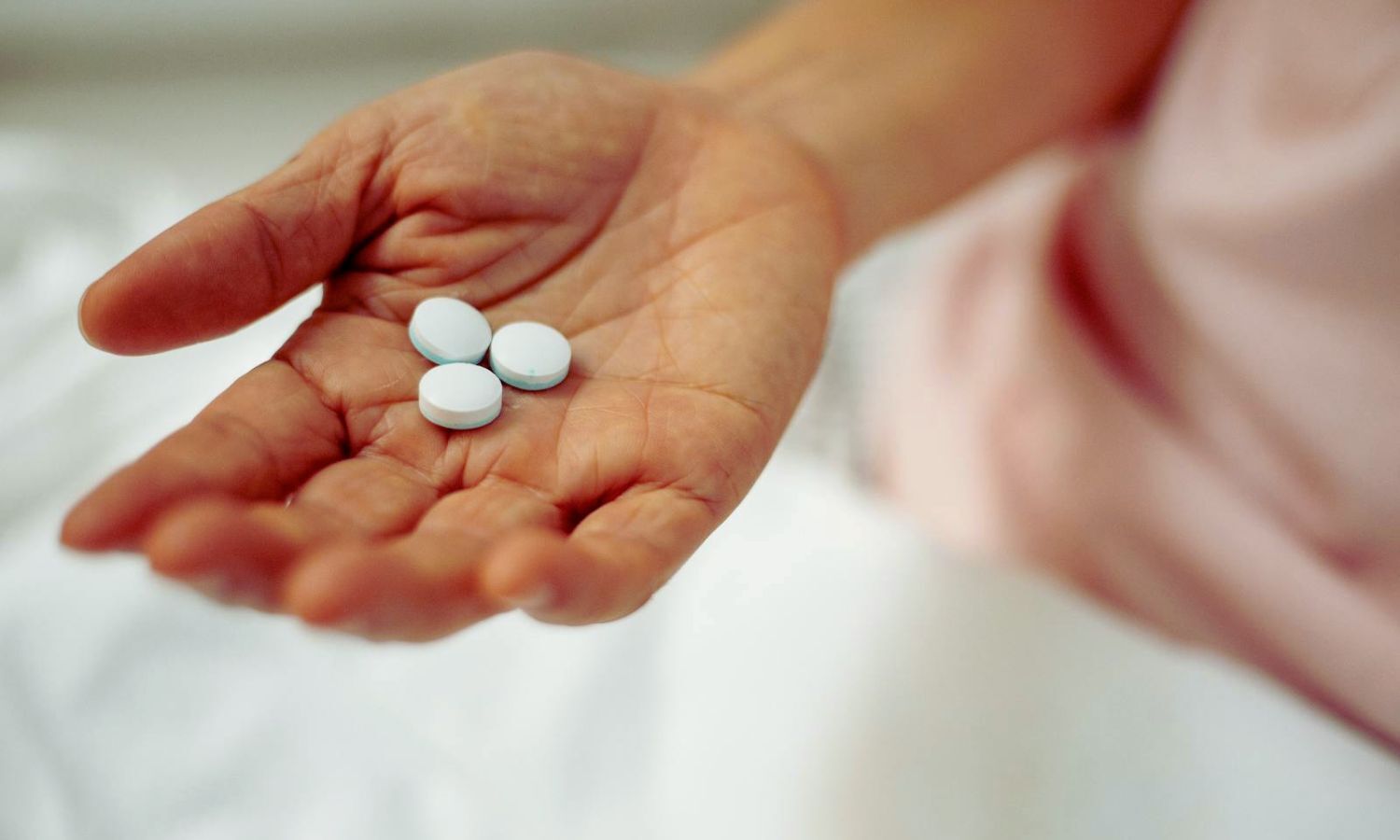

USA: Researchers have demonstrated in a pilot randomized trial that low-dose lithium is safe and well-tolerated in older adults with mild cognitive impairment (MCI), with successful recruitment and retention. Although none of the coprimary outcomes reached statistical significance, the study generated preliminary cognitive and neuroimaging effect size estimates, supporting the need for larger, adequately powered trials to evaluate lithium’s potential neuroprotective role in MCI.
The findings were published in JAMA Neurology by Ariel G. Gildengers and colleagues from the Department of Psychiatry at the University of Pittsburgh School of Medicine. The investigators examined whether low-dose lithium carbonate could slow cognitive decline in adults aged 60 years or older diagnosed with MCI, a condition associated with increased risk of progression to Alzheimer's disease.
This single-site, double-blind, placebo-controlled pilot trial was conducted between 2018 and 2024, with participants followed for two years. Of 170 individuals screened, 83 were randomized and 80 initiated treatment—41 assigned to lithium and 39 to placebo. Participants had syndromic MCI and were free of major psychiatric or neurologic illness and contraindications to lithium therapy.
The trial evaluated six prespecified coprimary outcomes, including verbal memory (California Verbal Learning Test-II delayed recall), visuospatial memory, a preclinical Alzheimer's cognitive composite score, hippocampal volume, cortical gray matter volume, and plasma brain-derived neurotrophic factor levels.
Key Findings:
- None of the six coprimary outcomes met the prespecified significance threshold after adjustment for multiple comparisons.
- Verbal memory declined by 1.42 points per year in the placebo group compared with 0.73 points per year in the lithium group, indicating a numerically slower decline with lithium, though not statistically significant after adjustment.
- Both groups showed progressive reductions in hippocampal and cortical brain volumes, with no significant treatment-by-time differences.
- Serious adverse events occurred in 29% of participants receiving lithium and 23% of those receiving placebo, with none definitively attributed to lithium.
- One death was reported in the placebo group.
- Common adverse events included mild creatinine elevation, diarrhea, fatigue, and tremor, with similar rates across groups.
- Overall, low-dose lithium was found to be safe and generally well tolerated in older adults with mild cognitive impairment.
The authors noted several limitations. The study was conducted during the COVID-19 pandemic, which affected in-person assessments and may have influenced medication adherence. Additionally, when the trial was designed, biomarker confirmation of Alzheimer's pathology was not routinely feasible. As a result, most participants were amyloid negative, potentially diluting treatment effects. Exploratory analyses suggested that amyloid-positive individuals may derive greater benefit, although subgroup sizes were small.
Overall, the trial established feasibility and safety while providing effect size estimates across cognitive and imaging outcomes. The researchers conclude that larger, biomarker-enriched trials are needed to clarify whether low-dose lithium can meaningfully delay cognitive decline in older adults with MCI.
Reference:
Gildengers AG, Ibrahim TS, Anderson SJ, et al. Low-Dose Lithium for Mild Cognitive Impairment: A Pilot Randomized Clinical Trial. JAMA Neurol. Published online March 02, 2026. doi:10.1001/jamaneurol.2026.0072
Apa Reaksi Anda?
 Suka
0
Suka
0
 Kurang Suka
0
Kurang Suka
0
 Setuju
0
Setuju
0
 Tidak Setuju
0
Tidak Setuju
0
 Bagus
0
Bagus
0
 Berguna
0
Berguna
0
 Hebat
0
Hebat
0

Edusehat
Platform Edukasi Online Untuk Komunitas Kesehatan Agar Mendapatkan Informasi Dan Pengetahuan Terbaru Tentang Kesehatan Dari Nasional Maupun Internasional. ||
An online education platform for the health community to obtain the latest information and knowledge about health from both national and international sources.