






















































Tommy John Surgery: Procedure, Recovery & Success Rates
What is Tommy John Surgery?
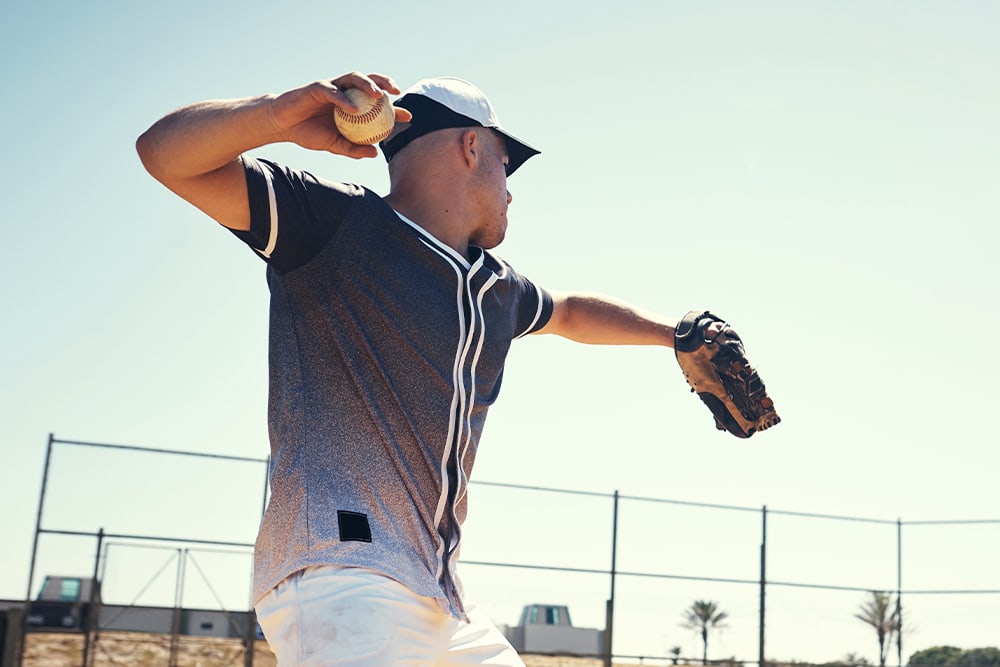
Tommy John surgery is the reconstruction of a torn ulnar collateral ligament (UCL), a band of tissue that connects the upper arm bone (humerus) to the forearm bone (ulna), which helps keep your elbow joint stable. The ligament stretches and thins over time from repetitive overhand motion, and it’s especially common in baseball pitchers or anyone who repeatedly throws, swings, or twists their arm. It is one of the most successful and well-known reconstructive surgeries in sports medicine.
Let’s dive into what Tommy John surgery is and how it got its name.
Why Is It Called Tommy John Surgery?
Tommy John surgery is named after Major League Baseball pitcher Tommy John, who made the procedure famous. In 1974, while playing for the Los Angeles Dodgers and posting a 13-3 record, Tommy John tore his UCL, which was considered to be career-ending. At the time, pitchers who tore their UCL were said to have a “dead arm” and typically never threw competitively again.
Dr. Frank Jobe, an orthopedic surgeon, thought differently. He devised a new surgical procedure to reconstruct a torn ligament using a tendon graft. John agreed to the procedure, and after surgery and roughly a year of rehabilitation, he returned to the sport and kept pitching until he retired in 1989, winning 164 games after his surgery.
The unprecedented outcome led to the surgery informally being referred to as “Tommy John surgery”, and the name just stuck. Today, UCL reconstruction, or Tommy John surgery, is performed on thousands of people each year.
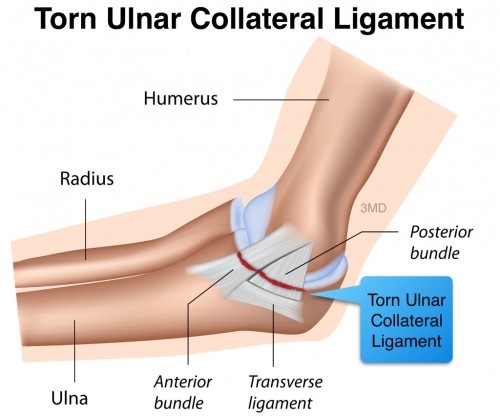
Causes and Symptoms of a UCL Injury
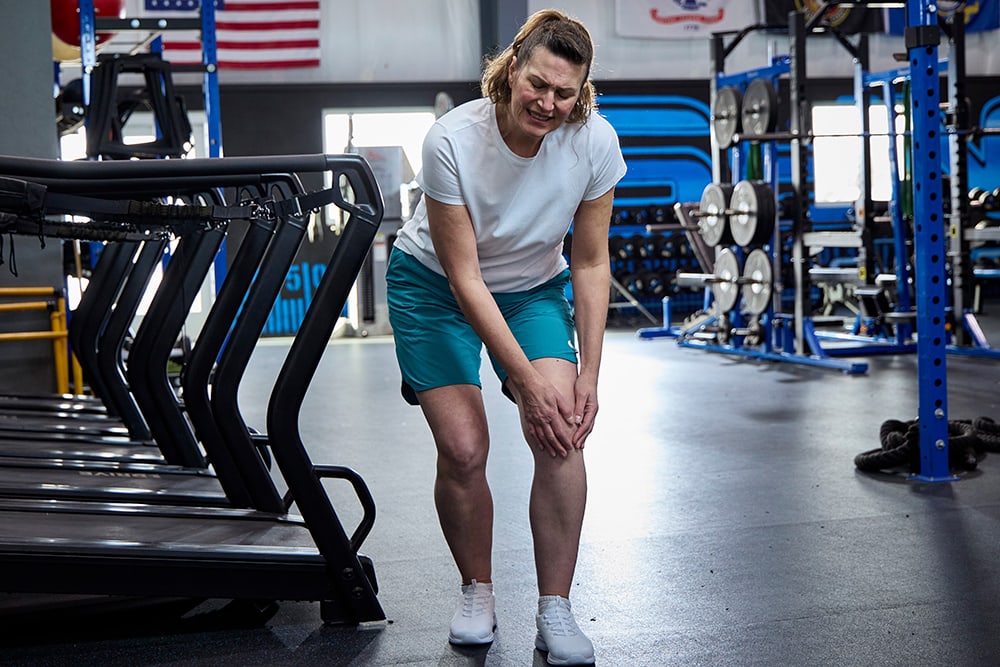
UCL injuries are usually a result of overuse from repetitive overhand motions that twist the elbow however can be the result of a traumatic injury as well. The injury occurs when the ligament is torn or stretched, causing the bones to move too much and leading to pain, instability, looseness, and reduced ability to work or play sports.
UCL injuries can start small but escalate as the ulnar collateral ligament continues to stretch and lengthen until it can no longer stabilize the elbow during physical activity.
Common symptoms of a UCL injury include:
- Pain on the inner side of the elbow
- A “pop” followed by intense pain
- Swelling and bruising at the site of injury at the inner elbow and upper forearm
- Elbow stiffness and the inability to straighten the elbow
- Numbness or tingling in the ring and pinky finger
- Clumsiness and weakness of hand grip
- Inability to throw at full speed and loss of ball control
Though baseball players are the most affected athletes, UCL injuries also occur in contact sports like football and rugby, overhead sports such as volleyball or tennis, and with athletes who participate in “rotational” sports like gymnastics, wrestling, and cheerleading.
The Tommy John Procedure and Recovery Time
Tommy John surgery typically replaces damaged ligaments inside the elbow with another tendon, known as a graft, that is typically harvested from another part of the body or from a donor. Once placed, the tendon acts as a new ligament, stabilizes the elbow, reduces or eliminates pain, and allows for increased range of motion. Surgeons often attach any healthy remnants of the original ligament to the new graft to provide additional strength. Additional suture can also be added as an internal splint to help protect the repair as well. This is commonly referred to its trade name of the Arthrex “Internal Brace.”
Full recovery from Tommy John surgery typically takes around a year, but in some cases, athletes need more time to return to their previous level of ability. Fortunately, gone are the years when a torn UCL ended an athlete’s career. Most athletes who undergo Tommy John surgery can resume their sport at, or even above, their previous level of competition.
Frequently Asked Questions
Q: Is Tommy John surgery successful?
A: Yes, nearly 85% of athletes return to their sport.
Q: How long is the recovery process?
A: Most patients need a full year to recover, but many can return to light training at six months.
Q: When should I see a specialist?
A: If you are feeling pain in your elbow, hand, or arm after throwing or overhead activity, don’t just wait it out. Early evaluation can make all the difference.
Schedule an appointment with one of our hand, wrist, and elbow specialists, Paige Chapman, MD, or Kyle Kaster, DO. They can help you get back to the life you love.
This blog was originally published on October 30, 2018 and was updated on November 10, 2026.
The post Tommy John Surgery: Procedure, Recovery & Success Rates appeared first on Orthopedic Sports Medicine Specialists (OSMS).
Apa Reaksi Anda?
 Suka
0
 Kurang Suka
0
 Setuju
0
 Tidak Setuju
0
 Bagus
0
 Berguna
0
 Hebat
0