



















































%20and%20Batch%20Production%20Records%20(BPR).png)















Malaria Mosquito Bites Turned Into Immune Boosters in New Chemovaccination Strategy
More than 600,000 people—predominantly pregnant women and children under the age of five—die from malaria every year. According to the World Health Organization, one child in Africa dies from malaria every two minutes.
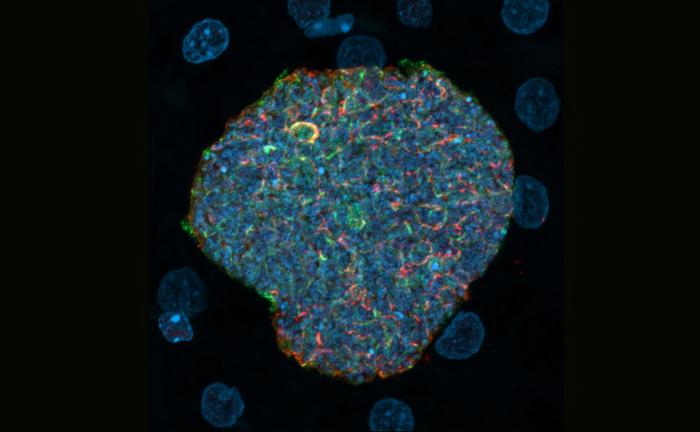
Plasmodium parasites multiply and mature in the liver before exiting the tissue and infecting red blood cells, triggering the symptoms of malaria. Vaccines that arrest infection during the liver stage of Plasmodium infection can induce potent immunity; however, they have challenges such as complex production and repeated rounds of IV delivery in field settings. With drug resistance continuing to undermine malaria control, there is an urgent need for new strategies to stop infections.
Now, researchers developed a novel immunization strategy, chemovaccination, that paired mosquito-delivered malaria parasites with an investigational class of antimalarial drug compounds. The compounds blocked the parasite’s development at a critical stage of the malaria lifecycle, preventing disease and triggering a robust immune response that provided durable protection against malaria. Subsequent mosquito bites then reinforced this immunity and protection.
In chemovaccination, exposure to live parasites is accompanied by the administration of antimalarial drugs that arrest the parasite life cycle, preventing illness and allowing the immune system to respond to the attenuated parasite.
Now, researchers from WEHI (Melbourne, Australia) have demonstrated that chemovaccination can prime the immune system to fight malaria parasites before they cause disease, with subsequent mosquito bites acting as boosters to strengthen immunity over time—turning mosquito bites into ongoing immune boosters
This approach protected mice against malaria for the study period—a rare outcome that could inform the development of next-generation prevention strategies for one of the world’s deadliest infectious diseases. The study is the first to target malaria parasites at the late liver stage using an antimalarial drug candidate discovered by WEHI and the global biopharmaceutical company MSD (tradename of Merck & Co., Inc., Rahway, NJ).
The research is published in Science in the paper, “Chemovaccination with a late-liver-stage antimalarial induces durable immunity against malaria.”
“Using this new drug compound, we’ve found a way to turn mosquito bites—the very thing that spreads malaria—into vaccination events in mice,” said Justin Boddey, PhD, associate professor at WEHI. “This represents a shift in the way drugs could be employed to prevent malaria.”

The antimalarial drug candidates used in the study, WM382 and MK-7602, are both dual inhibitors of plasmepsin IX and X—two “master regulators” that are crucial for parasite survival. The drug candidates are the result of a decade-long research collaboration between WEHI and MSD.
John A. McCauley, senior director, discovery chemistry at MSD, said: “Current approaches often rely on genetically attenuated parasites, which can provide strong protection but require high doses and are difficult to produce, scale, and administer in real‑world settings. By using a drug to arrest parasites at the late liver stage, we’ve enabled the immune system to recognize a broader range of malaria antigens using a smaller parasite dose. This approach may provide a broader response against the diversity of malaria parasites seen in the real-world and go beyond what genetically attenuated laboratory strains can achieve.”
As WM382 and MK-7602 target enzymes that are highly conserved across malaria species, researchers hope this will enable their approach to provide protection against a wide range of malaria “variants” in the future—potentially allowing people in endemic areas to build immunity from natural mosquito bites over time. A long-acting injectable based on the compounds is in preclinical development.
The post Malaria Mosquito Bites Turned Into Immune Boosters in New Chemovaccination Strategy appeared first on GEN - Genetic Engineering and Biotechnology News.
Apa Reaksi Anda?
 Suka
0
Suka
0
 Kurang Suka
0
Kurang Suka
0
 Setuju
0
Setuju
0
 Tidak Setuju
0
Tidak Setuju
0
 Bagus
0
Bagus
0
 Berguna
0
Berguna
0
 Hebat
0
Hebat
0