













































%20and%20Batch%20Production%20Records%20(BPR).png)















Milk Exosomes Transform Therapeutic Bioprocessing
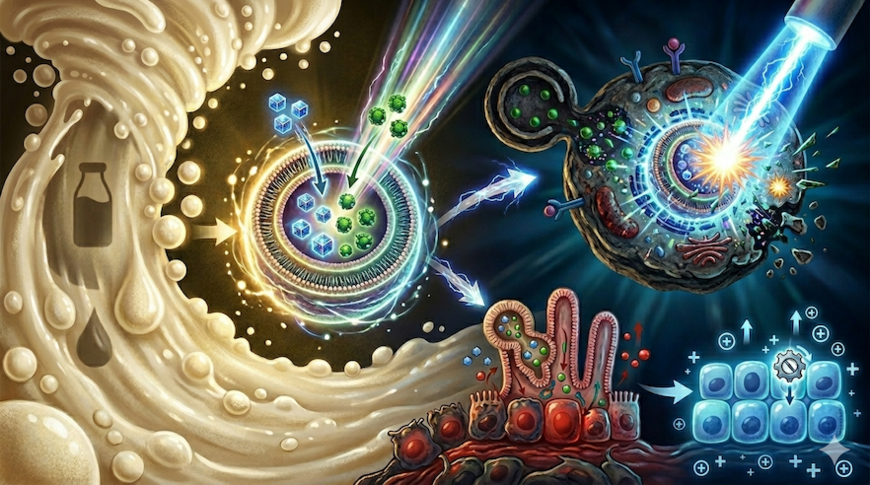
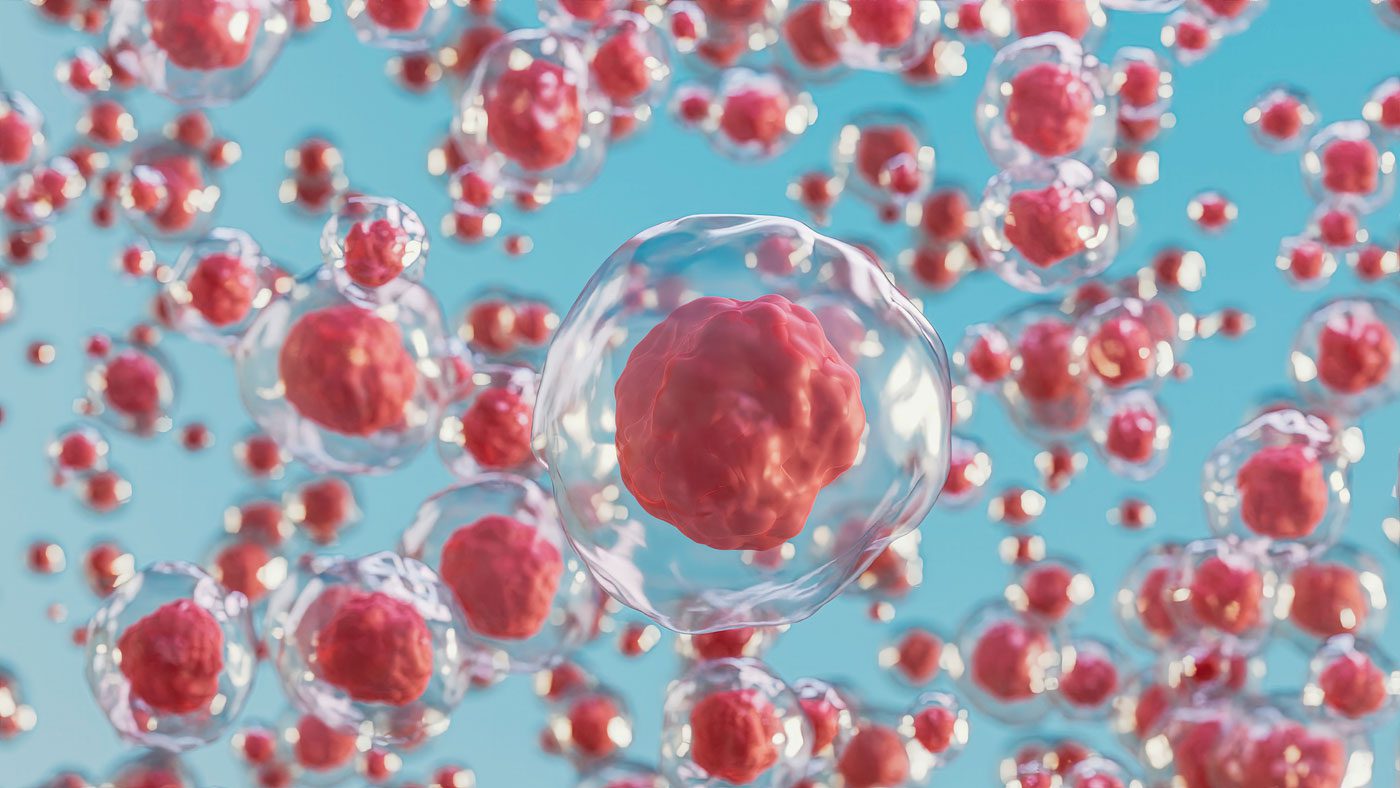
Breast milk has long been understood as more than infant nutrition. It is a biologically active system packed with molecular signals that help shape immune development, metabolism, and even brain function. Among its most intriguing components are milk-derived extracellular vesicles—tiny lipid-bound particles often called milk exosomes—that are rapidly becoming one of bioprocessing’s most promising therapeutic tools.
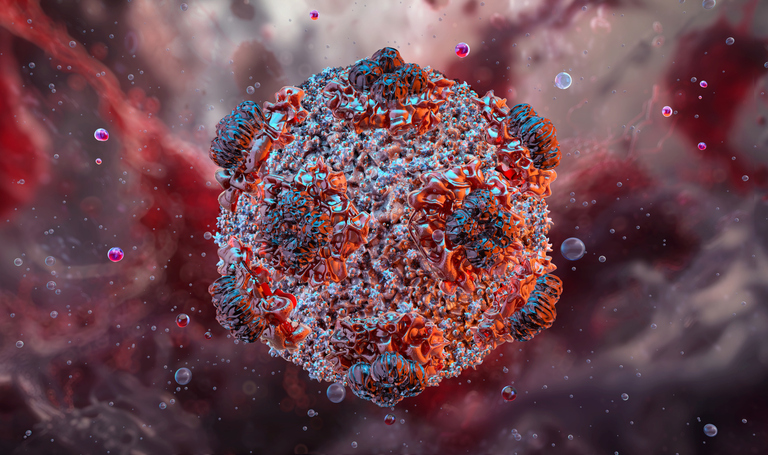
These nanoscale carriers are naturally designed for transport. They can survive digestion, move into circulation, and distribute cargo throughout the body, with studies suggesting they may even reach the brain during early development. Researchers have shown that these vesicles can influence central nervous system communication, particularly through interactions with microglia, which are crucial to the brain’s immune cells. The ability of milk exosomes to carry microRNAs and regulate epigenetic pathways, including DNA methyltransferase 1 (DNMT1), points to a sophisticated biological delivery system that the industry is now learning to harness.
That potential is especially compelling in drug manufacturing, where delivery often determines whether a therapy succeeds or fails. Traditional nanoparticles can trigger toxicity, instability, or poor absorption. Milk exosomes offer a more elegant alternative: they are biocompatible, naturally abundant, and scalable for pharmaceutical development.
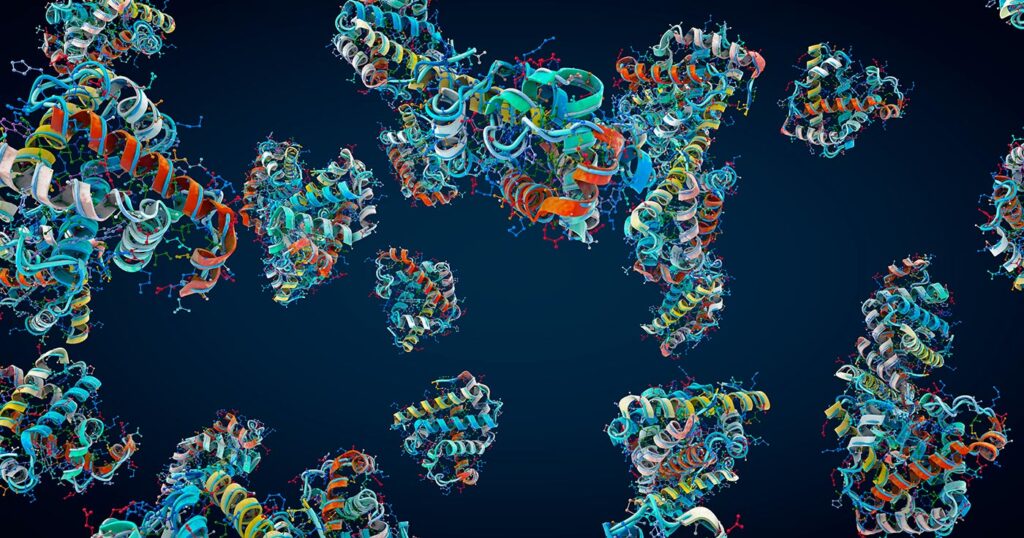
Huiming Tu, MD, a researcher and clinician in the department of gastroenterology at the Affiliated Hospital of Jiangnan University in Wuxi, China, and his colleagues recently demonstrated this with ulcerative colitis. Their team developed an oral delivery platform called mEXOs@TOF, which loads the pan-JAK inhibitor tofacitinib into milk-derived exosomes. The resulting formulation showed strong pharmaceutical performance, including consistent particle size, high drug-loading efficiency, and strong stability during delivery.
More importantly, the therapy improved anti-inflammatory outcomes through multiple mechanisms. It lowered inflammatory mediators such as IL-6, IFN-γ, and nitric oxide, while increasing anti-inflammatory IL-10. It also reduced oxidative stress and suppressed activation of the JAK-STAT3 signaling pathway. In both laboratory and animal studies, the system delivered strong therapeutic benefits without detectable toxicity—an ideal benchmark for translational bioprocessing.
Cancer therapy is seeing similar innovation. Min Suk Shim, PhD, professor of nano-bioengineering at Incheon National University in the Republic of Korea, and colleagues focused on sonodynamic therapy, in which ultrasound activates a sensitizing drug to destroy tumors. Their challenge was improving intracellular delivery of chlorin e6 (Ce6), a common sonosensitizer.
The team engineered glutathione-responsive milk exosomes by incorporating a diselenide bond-bearing fatty amine derivative. This allowed the vesicles to remain stable during circulation but release Ce6 inside breast cancer cells, where glutathione concentrations are higher. Once ultrasound was applied, reactive oxygen species production increased dramatically, leading to significant cancer cell death in MCF-7 breast cancer models. The work shows how responsive bioprocess design can turn natural vesicles into precision-triggered therapeutics.
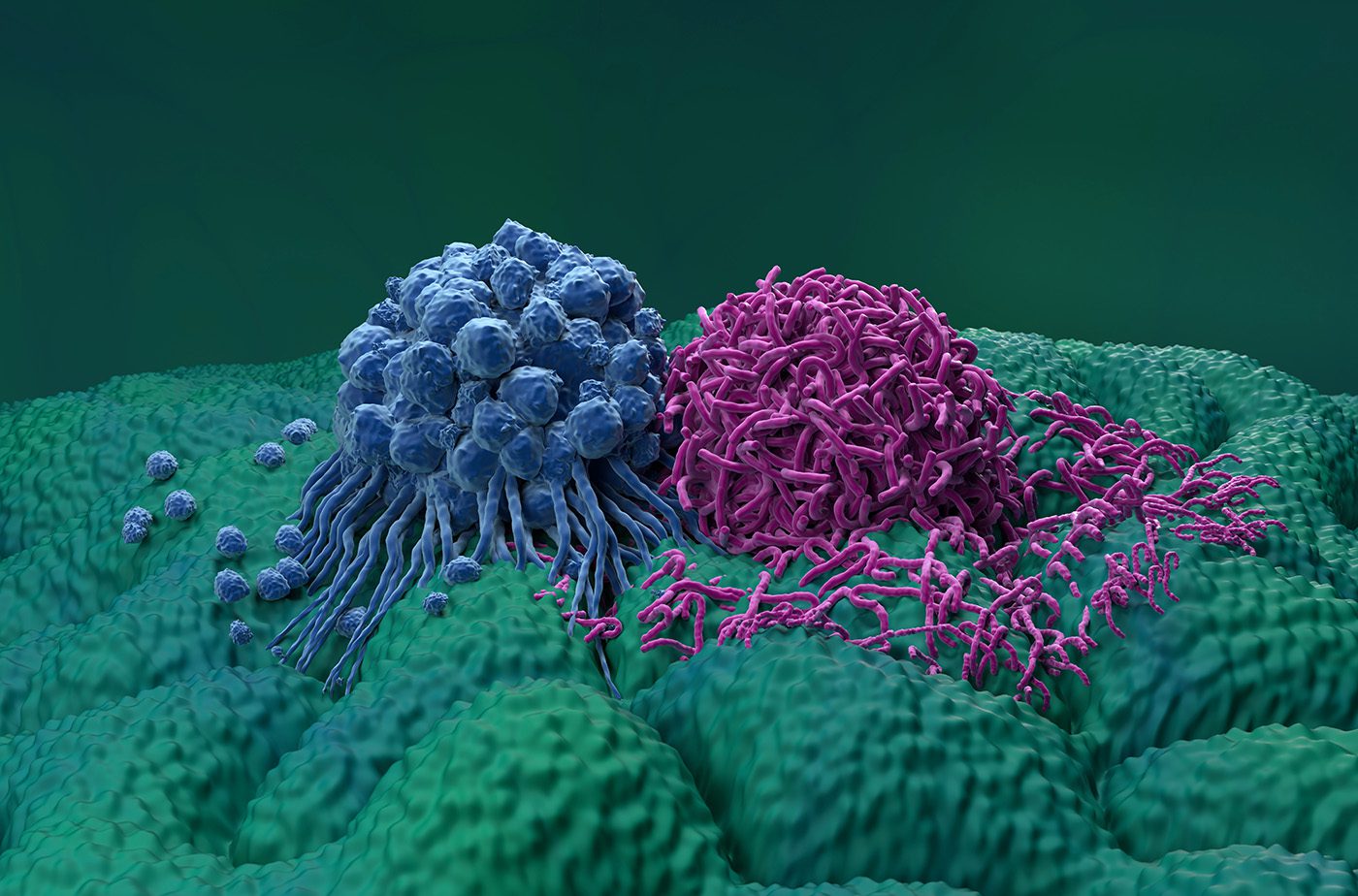
Meanwhile, scientists from Hong Kong and China have reviewed the broader landscape of milk exosomes in breast cancer treatment. Beyond acting as delivery vehicles for drugs like doxorubicin, paclitaxel, and 5-fluorouracil, milk exosomes may also have direct anti-tumor effects. They can promote apoptosis, interrupt the cell cycle, and regulate pathways such as NF-κB and STAT3. Combined with plant-derived compounds like curcumin and resveratrol, they form hybrid nanoparticles with enhanced therapeutic power.
For bioprocessing, the message is clear: milk exosomes are no longer a niche curiosity. They represent a scalable, safe, and highly adaptable platform for next-generation therapeutics—one that begins with biology’s oldest delivery system and may define medicine’s next one.
The post Milk Exosomes Transform Therapeutic Bioprocessing appeared first on GEN - Genetic Engineering and Biotechnology News.
Apa Reaksi Anda?
 Suka
0
Suka
0
 Kurang Suka
0
Kurang Suka
0
 Setuju
0
Setuju
0
 Tidak Setuju
0
Tidak Setuju
0
 Bagus
0
Bagus
0
 Berguna
0
Berguna
0
 Hebat
0
Hebat
0