




















































%20and%20Batch%20Production%20Records%20(BPR).png)















Can mRNA Vaccines Help Treat Pancreatic Cancer?

Pancreatic cancer remains one of the most difficult cancers to treat. It is often diagnosed at an advanced stage, and even with surgery and chemotherapy, recurrence rates are high. As a result, researchers are exploring new approaches — including personalized mRNA vaccines.
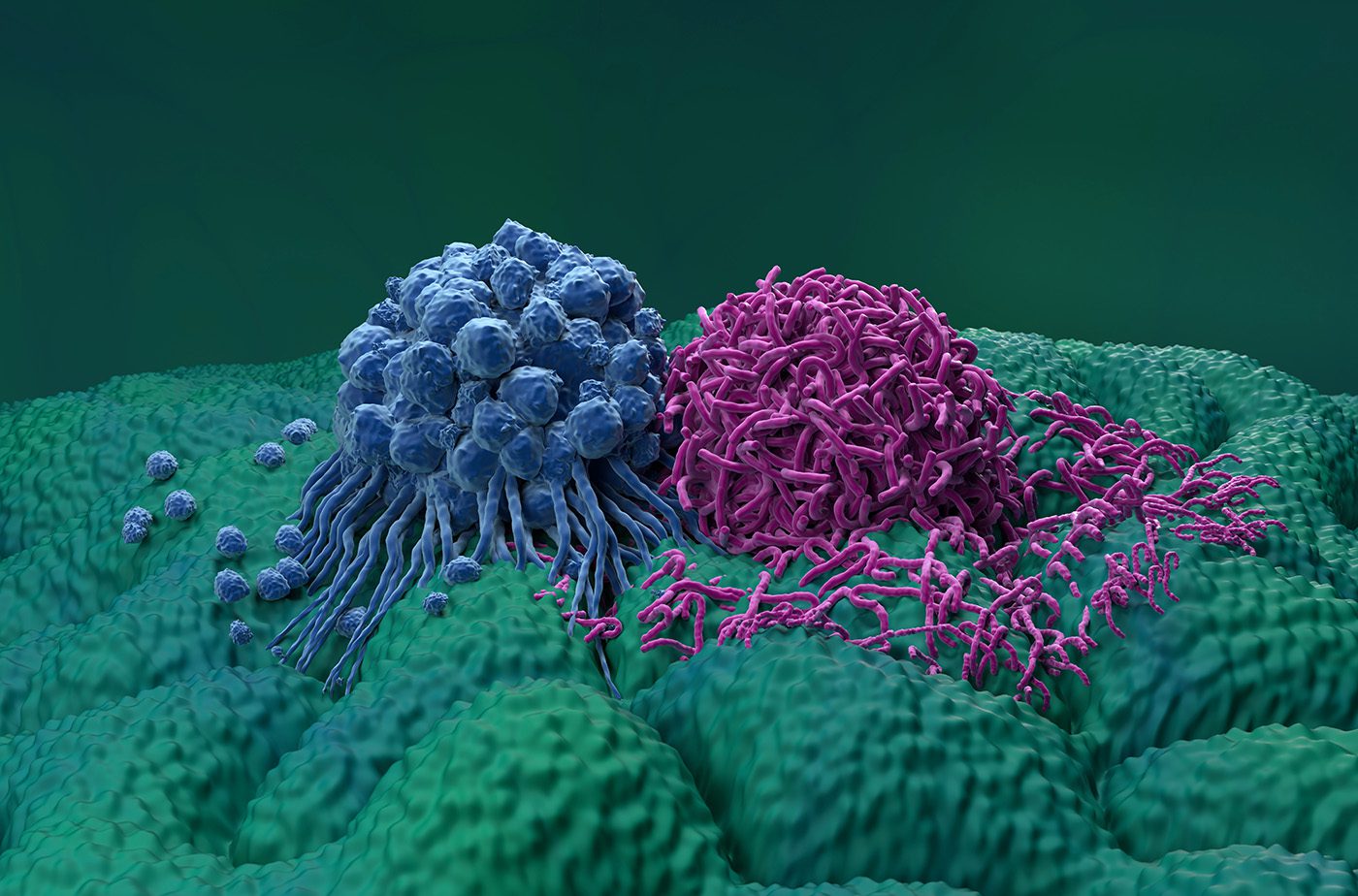
Unlike traditional vaccines that prevent infectious diseases, cancer vaccines are designed to help the body recognize and attack tumour cells. mRNA vaccines work by delivering genetic instructions that prompt the body’s cells to produce specific proteins. In the case of cancer, these proteins are based on unique mutations found in a patient’s tumour.
This personalized approach is key. Each tumour has its own genetic profile, so the vaccine must be custom-built for each individual. After surgery, tumour samples are analyzed to identify these mutations. Scientists then create an mRNA “blueprint” that trains the immune system to recognize cancer cells as harmful.
Early clinical trials are showing encouraging results. In a small study involving patients who had pancreatic tumours removed, half developed a strong immune response after receiving a personalized mRNA vaccine. Among those who responded, most were still alive several years later, suggesting the immune system may help control or delay the cancer’s return.
The mechanism is similar to how the body fights infections. The vaccine stimulates the production of T cells — immune cells that can identify and destroy cancer cells. In some patients, these responses have been long-lasting, which is a key goal in cancer treatment.
However, this research is still in its early stages. Most studies so far have involved small numbers of patients, and larger clinical trials are now underway to determine how effective these vaccines are across broader populations.
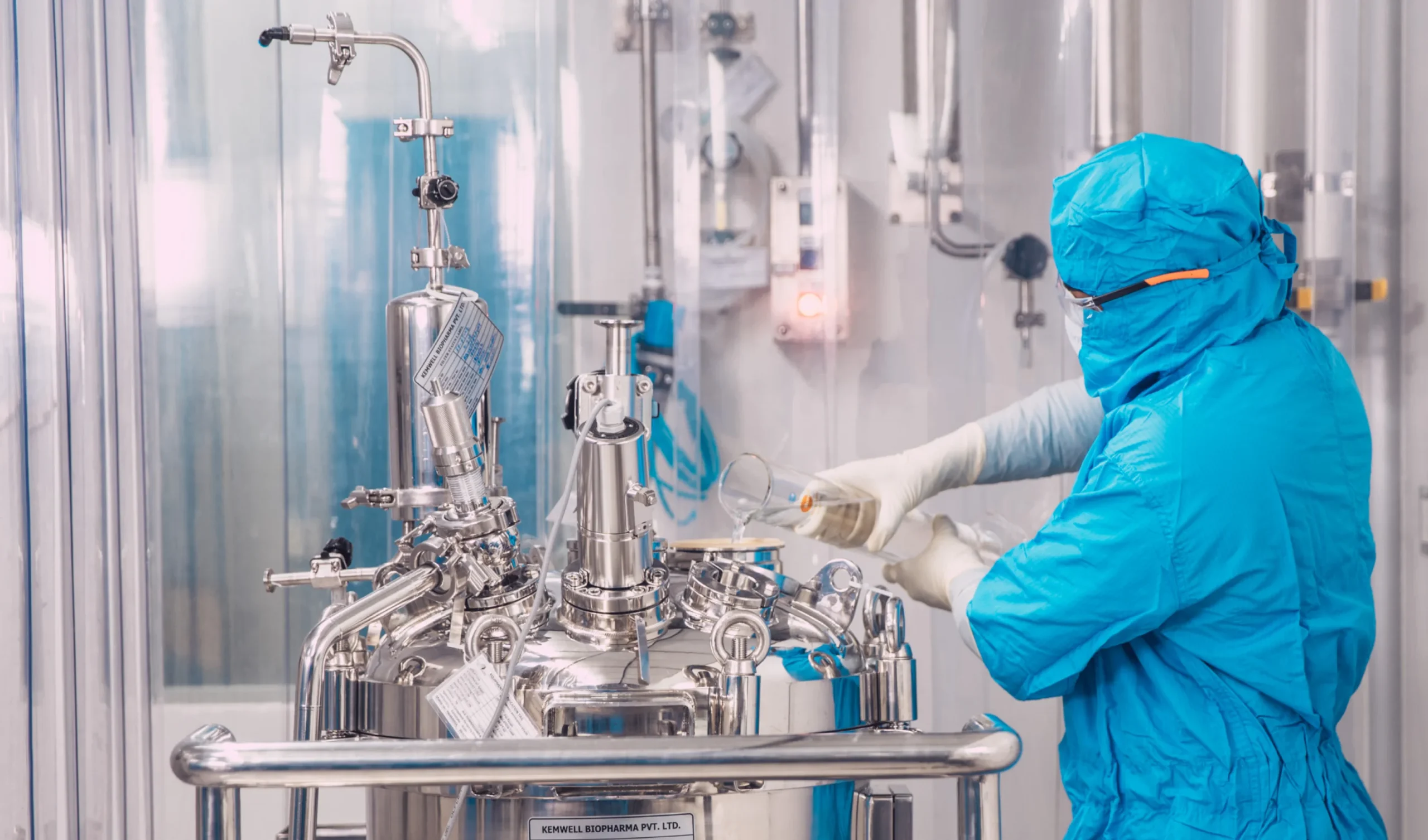
There are also practical challenges. Because each vaccine is personalized, it takes time to manufacture and cannot be produced in the same way as standard vaccines. In addition, researchers are still working to determine how best to combine mRNA vaccines with other treatments, such as chemotherapy and immunotherapy.
Despite these limitations, experts view mRNA vaccines as a promising area of cancer research. They may offer a new way to target tumours that have historically been resistant to treatment.
While it is too early to consider mRNA vaccines a standard therapy for pancreatic cancer, ongoing studies will help clarify their role. If future trials confirm current findings, personalized vaccines could become part of a broader strategy to improve outcomes for patients facing this challenging disease.
The post Can mRNA Vaccines Help Treat Pancreatic Cancer? appeared first on Hospital News.
Apa Reaksi Anda?
 Suka
0
Suka
0
 Kurang Suka
0
Kurang Suka
0
 Setuju
0
Setuju
0
 Tidak Setuju
0
Tidak Setuju
0
 Bagus
0
Bagus
0
 Berguna
0
Berguna
0
 Hebat
0
Hebat
0