












































%20and%20Batch%20Production%20Records%20(BPR).png)














Novel Feeder Cell Line Dramatically Expands NK Cell Production
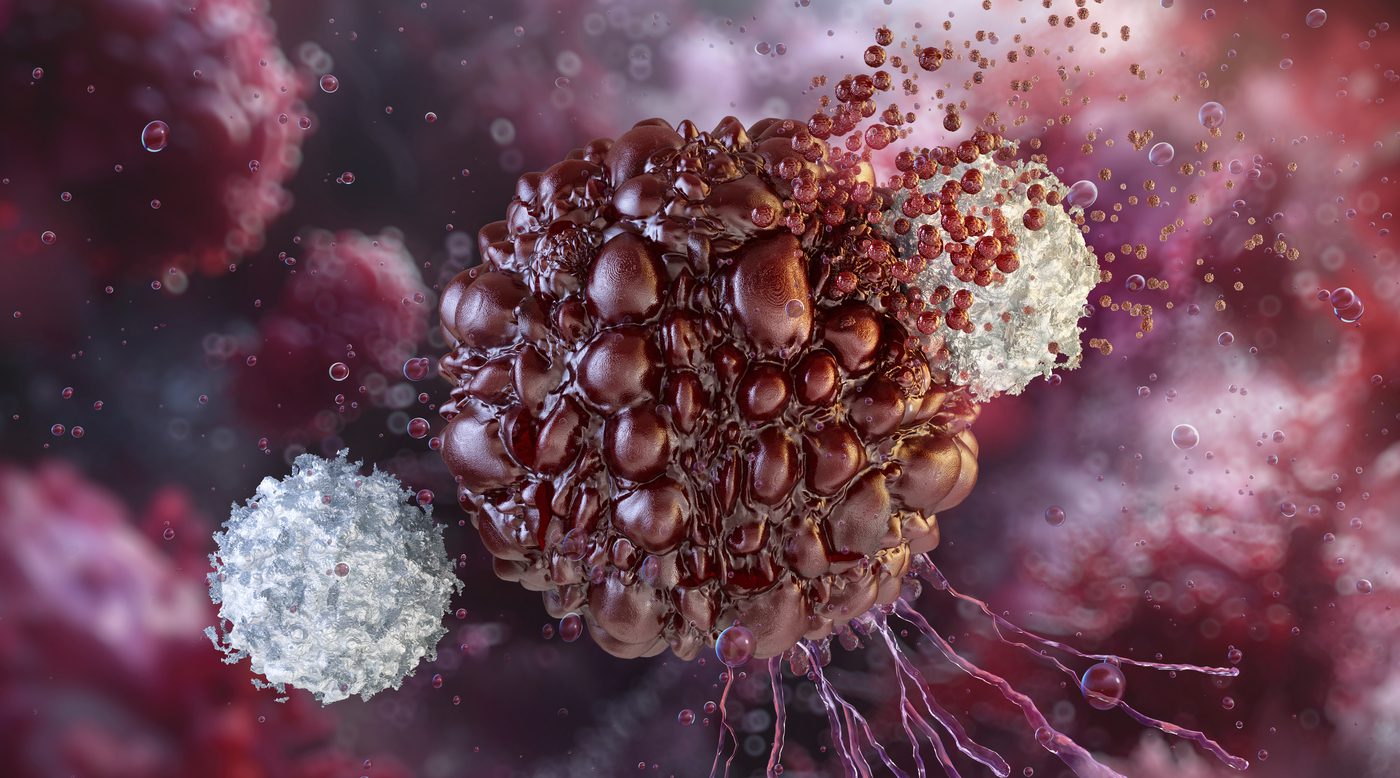
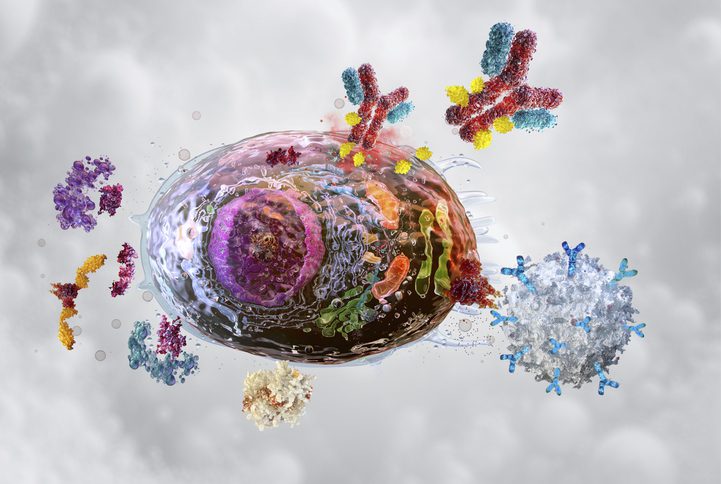
Allogeneic natural killer (NK) cells appear promising as an adoptive cell therapy (ACT) that targets cancer. They’re limited, however, by production methods that can’t readily produce these cells in therapeutically relevant quantities.
Researchers led by Sang-Ki Kim, DVM, PhD, professor, Kongju National University in Korea, and CSO at Vaxcell Bio, along with Seung-Hwan Lee, PhD, professor, University of Ottawa, appear to have solved that bottleneck with an engineered version of the feeder cell line known as ARH-77, a B-lymphoblast cell line that stimulates NK cells. Even in its unmodified form, ARH-77 cells expanded NK cells extracted from peripheral blood samples 681-fold after 28 days. In contrast, K562, the cell line typically used, enabled 155-fold expansion during that time.
That expansion pales in comparison to that of the engineered cell line. The now-modified ARH-77 cells, modified to express four specific stimulatory ligands, expanded NK cells by 101,241-fold in 28 days. Making the same modifications to the K562 cells, however, improved production only 4.4-fold. In each of the cell lines, purity and cytotoxicity were considered equivalent.
Kim, Lee, and colleagues chose the ligands B7-H6, CD137L, IL-15, and IL-15Rα to provide multi-axis stimulation to enhance NK cell activation and proliferation as well as to enhance persistence. For example, B7-H6 stimulates production and exhibits early cytotoxic benefits, but those benefits dissipated by week four. CD137L appears to compensate for that attenuation, the scientists report. Notably, the feeder performance was consistent across donors.
While these ligands were more effective than other ligands the team considered, they stress that more work is needed to “formally establish the added value of each ligand.” They also want to evaluate the engineered ARH-77 in terms of in vivo persistence and anti-tumor activity against additional models. Large-scale manufacturing constraints also should be considered in future studies.
Because feeder cell performance is considered stable across the donor population, Kim and Lee suggest their engineered ARH-77 cell line may be a reliable option for NK cell expansion as therapeutic production scales up. As the scientists note, “These findings establish ARH-77 as a promising alternative feeder cell platform that could enhance the scalability, consistency, and potency of allogeneic NK cell manufacturing for clinical adoptive immunotherapy.”
The post Novel Feeder Cell Line Dramatically Expands NK Cell Production appeared first on GEN - Genetic Engineering and Biotechnology News.
Apa Reaksi Anda?
 Suka
0
Suka
0
 Kurang Suka
0
Kurang Suka
0
 Setuju
0
Setuju
0
 Tidak Setuju
0
Tidak Setuju
0
 Bagus
0
Bagus
0
 Berguna
0
Berguna
0
 Hebat
0
Hebat
0